Geral
Como recuperar margem e reputação depois da Black Friday: o que as marcas vencedoras fizeram diferente
BranddiIP Team · Published on · Updated on
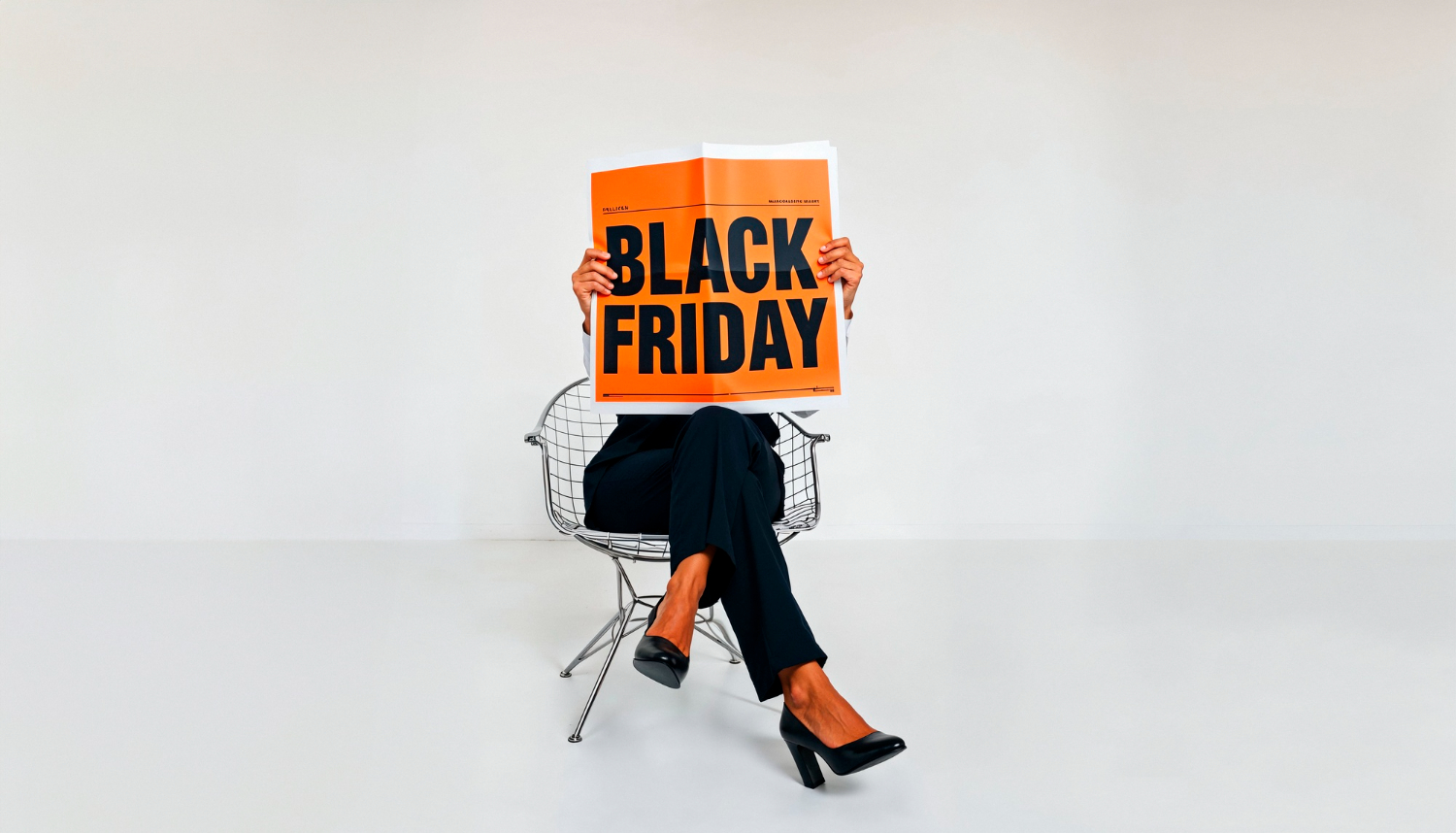
After Black Friday, the first consequence that most brands face is the drop in margins.
After weeks of aggressive discounts, price wars between sellers, an explosion of opportunistic advertisements and unfair competition buying branded terms, the result is usually the same: revenue rises, but profits plummet.
After Black Friday, it is necessary to regain price control, rebalance channels and rebuild the perception of value before the impact extends throughout the Christmas period and high end-of-year demand.
In the guide below, you can check the five strategies that differentiate brands that end the year stronger!
1. Rebalance commercial policies and channels
After Black Friday, margin erosion comes from misaligned channels and resellers that override pricing policies. Winning brands start right here: adjust policies, reinforce governance and correct deviations.
Check out some recommendations for rebalancing commercial policies:
- Review or reactivate PMA (Minimum Advertised Price);
- Map resellers who violated agreements and reestablish parameters;
- Strengthen coherence between channels to rebuild predictability and trust.
And when the channel returns to balance, the results appear. In a Branddi case, Ford managed to reduce 60% of brand aggressors in advertising auctions.
2. Monitor the brand's digital integrity
If chaos is expected during Black Friday, post-Black Friday shouldn't be. Scams, fake websites, irregular advertisements and illegitimate products continue to circulate for weeks. This silently erodes the margin and destroys reputation without the brand noticing.
Winning brands know that real-time visibility is the competitive differentiator post-BF. They resume:
- Monitoring of paid ads to identify brand bidding and arbitrations
- Tracking of marketplaces to find fakes, opportunistic sellers and pages with predatory pricing;
- Removal of scams, links false and misleading advertisements that remain active after the event.
The numbers from Branddi's cases make clear the power of this strategy. MCD, for example, had 99% success in removing irregular content: a total of 4,014 illegitimate items removed.
Granado achieved a 98.9% fraud removal rate, with an average response time of just 34 hours, preserving the official brand experience while competitors continued to fight for undue clicks.
3. Evaluating performance from the perspective of ROI
One of the biggest illusions of Black Friday is confusing “growth” with “selling more”. Post-BF shows that many brands increase sales, but lose margin due to excessive discounts, unqualified traffic and unfair competition inflating media costs.
Winning brands understand that the focus must change from “volume” to real ROI. This means:
- Measure the impact of traffic diverted by scams, brand bidding and arbitration;
- Identify how much of the ROI is being drained by predatory practices;
- Examine quality of clicks, not just quantity;
- Reevaluate campaigns from the point of view of real cost and revenue recovered.
And again, Branddi's cases show how this transforms results. Estacio achieved an ROI of 41× after reducing 74% of CPC and increasing 57% of CTR. It wasn't by spending more, it was by removing noise, cleaning up the auction and recovering legitimate traffic.
Ploomes reduced 82% of CPC and increased impression share by 29%, demonstrating how the elimination of international aggressors in brand bidding completely changed the quality of the traffic.
4. Rebuild reputation and perception of value
Post–Black Friday is the ideal scenario to reposition the brand. The consumer just saw very low prices, confusing advertisements and unknown sellers. This hurts the perception of quality and authority.
Winning brands work on three pillars:
- Visual consistency:resume institutional communication, reinforce identity and create a contrast with the promotional chaos;
- Clarity and post-promotional transparency:explain conditions, reinforce official channels, communicate guarantees;
- Active presence in searches and official announcements:who disappears from Google searches after Black Friday gives space to competitors and scammers.
The case of Fast Shop (Branddi) is a good example: after eliminating more than 200 unfair competitors, the brand increased CTR by 22% and recovered 38% share of impressions.
5. Provide continuous protection
Mature brands do not treat Black Friday as an event; treat it as an annual strategic cycle. This means that everything that was discovered (violations, fraud, diverted traffic and price distortions) becomes a continuous shielding program that includes:
- Transforming learning into permanent processes;
- Creating digital shielding policies as an always-on practice;
- Adopting continuous monitoring and detection technologies.
Branddi's platform offers exactly the features for this continuous shielding of the brand: monitoring 24/7, detection of aggressors, rapid overturning of infractions and rebalancing of channels.
Cases like Ford, Granado and MCD were only possible because there was continuity, not punctual actions.
The lesson is simple: those who protect their margin every day arrive at the next Black Friday with more breath, more control and fewer vulnerabilities!
If you want to regain command of the value of your brand, protect your channels and guarantee healthy margin even in periods of high pressure, Branddi is the ideal platform.
Click here and see how to recover your post-Black Friday margin with Branddi and enter the next cycle much stronger!
Related articles
-
Ranking 2025: os golpes online mais comuns no Brasil
Perfis falsos, sites clonados e anúncios fraudulentos: veja o Ranking 2025 dos golpes digitais mais comuns e os riscos para sua marca.
-
A IA agora vende por você? Entenda o que está por trás do UCP do Google
O Google lançou o UCP e iniciou uma nova fase do e-commerce. Entenda os impactos da IA na jornada de compra.
-
Depois do clique: como proteger sua marca quando as LLMs decidem por você
Consumidores usam LLMs para validar compras mesmo após acessar seu site. A IA pode citar concorrentes ou golpes. Blindagem digital é urgente.
-
Depois do clique: como proteger sua marca quando as LLMs decidem por você
Consumidores usam LLMs para validar compras mesmo após acessar seu site. A IA pode citar concorrentes ou golpes. Blindagem digital é urgente.
-
O topo do funil saiu do seu controle: como IAs estão decidindo o que o consumidor vê primeiro
O topo do funil de vendas agora é mediado por inteligência artificial. Saiba como isso afeta a visibilidade das marcas e como retomar o controle!