Branddi protege Salve o Gui de golpes
Published on
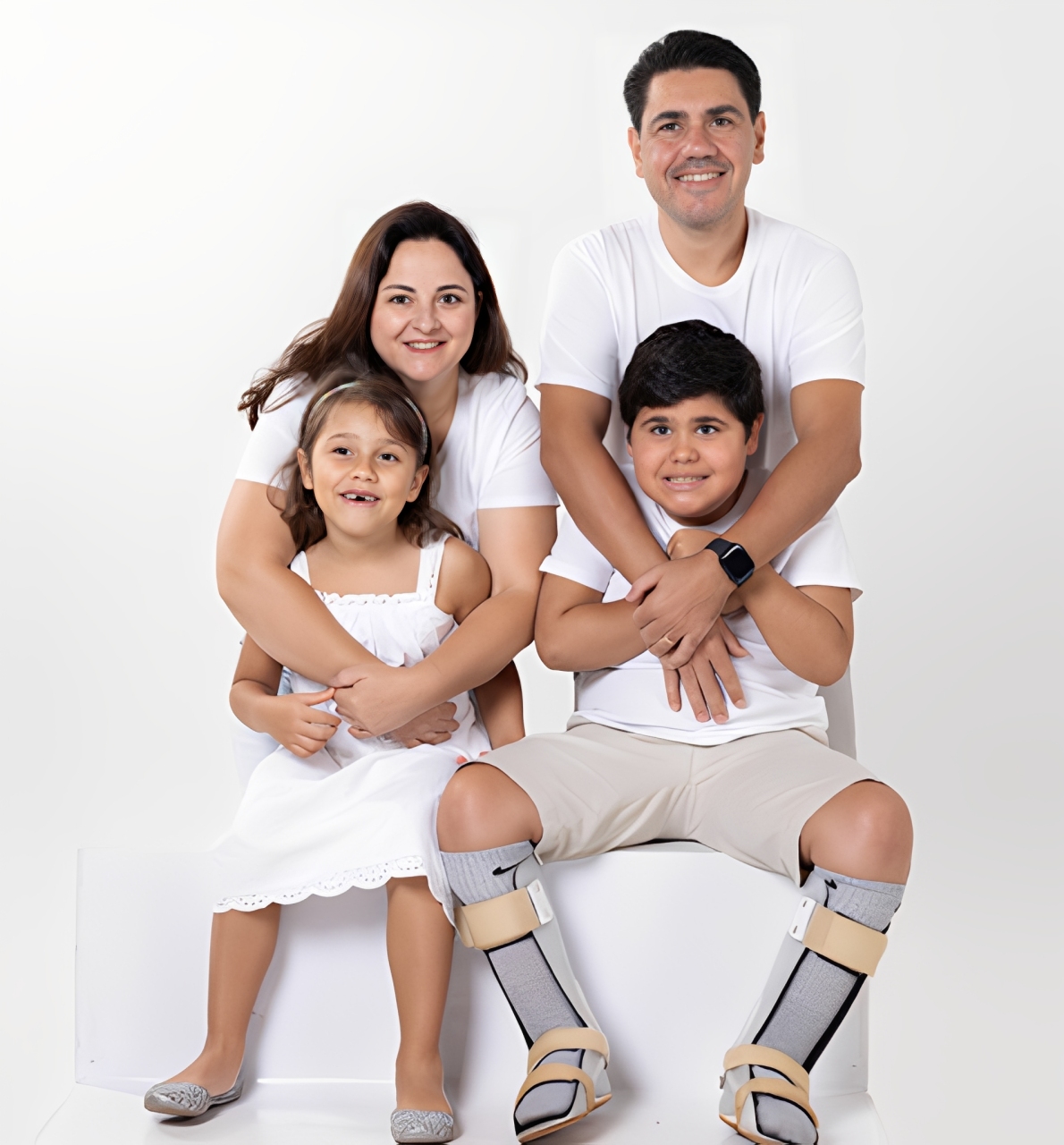
The "Save Gui" is a national mobilization initiative dedicated to raising funds for the treatment of Guilherme, a child diagnosed with Duchenne Muscular Dystrophy. The central objective is to facilitate the importation and application of the drug Elevidys, a gene therapy worth multimillions. Given the urgency and high cost of treatment, the campaign depends strictly on the trust and engagement of donors on digital platforms, operating with high visibility in the media and social networks.
The wide repercussion of the cause and the emotional urgency associated with treating a child attracted the organized action of digital criminals who structured a sophisticated fraud ecosystem to divert donations.
The scenario mapped by Branddi identified 218 potential threats over the period, characterized by a combination of technically elaborate phishing and social engineering that exploited the emotional vulnerability of donors. Fraudsters created mirror sites that meticulously cloned the visual identity of the official campaign, including photos, emotional family videos and medical testimonials, to simulate legitimate collective contribution pages and direct payments to bank accounts completely dissociated from the real cause.
At the same time, fake profiles proliferated on Instagram, Facebook and WhatsApp that misused images of Guilherme and his family to raise awareness among victims through direct messages and stories, publishing fraudulent QR codes and PIX as if they were official donation channels.
Criminals also invested in sponsored advertisements promoting these frauds on social media platforms, expanding the reach of the scams and exponentially increasing the number of people exposed to attempts to embezzle resources. Each real misappropriated not only represented a direct financial loss for the campaign in a race against time to make treatment viable, but also generated widespread distrust among potential donors who, upon being harmed or learning of scams, questioned the legitimacy of all fundraising channels.
The situation created a risk for the campaign: a breakdown in credibility could irreversibly compromise the fundraising capacity at a time when every day of delay in treatment had direct medical consequences for Guigui. The urgency to stop the diversion of vital resources and restore donor confidence in official channels required an immediate, precise and continuous technical response.
Branddi established an emergency digital shielding operation, based on continuous monitoring, rigorous validation and accelerated response to protect both campaign resources and donor safety. The identification of the problem came from a 24/7 monitoring system that tracked mentions of the "Save the Gui" on digital platforms, registrations of new domains with similar terms, profiles created on social networks and sponsored advertisements using images of the family.
This continuous radar allowed for the early capture of 218 potential threats before they reached mass casualty scale. Each occurrence was subjected to rigorous validation governance that applied technical and contextual criteria to segregate legitimate support profiles (real publicity initiatives by supporters of the cause) from organized coup attempts, ensuring precision in actions and avoiding the undue removal of genuine mobilization content. Of the 218 threats audited, 80 active frauds were confirmed and neutralized, including fraudulent websites that cloned donation pages and fake profiles that replicated official content to capture donations via PIX and fake QR codes.
On the fraudulent website front, Branddi implemented an integrated deindexation and domain blocking flow, working directly with hosting providers, registration authorities and search platforms to take down phishing pages and prevent them from appearing in search results related to the campaign. At the same time, structured and massive reports were carried out on social platforms such as Meta (Facebook and Instagram), WhatsApp and Google (YouTube), resulting in the accelerated deactivation of imitator profiles and the removal of sponsored ads that promoted fraud. The action also covered the identification and removal of paid posts that improperly used Guilherme's image to direct donors to fraudulent channels.
In addition to the reactive response, Branddi established a preventative surveillance layer by keeping suspicious URLs quarantined for continuous monitoring, creating an early warning system that identified fraud reactivation attempts or the emergence of new fraudulent domains and profiles before escalation. This proactive approach was essential in a campaign with a critical time window, where every hour of exposure to scams could mean a loss of vital donations for treatment. With a 96% success rate in removal efforts, the operation guaranteed the progressive cleaning of digital channels and ensured that funds raised reached exclusively the correct destination, restoring donors' trust and shielding the integrity of the campaign at its most critical moment.