Marketing Sazonal
World Cup 2026: the early explosion of fake sites and products has already begun
Branddi · Published on · Updated on
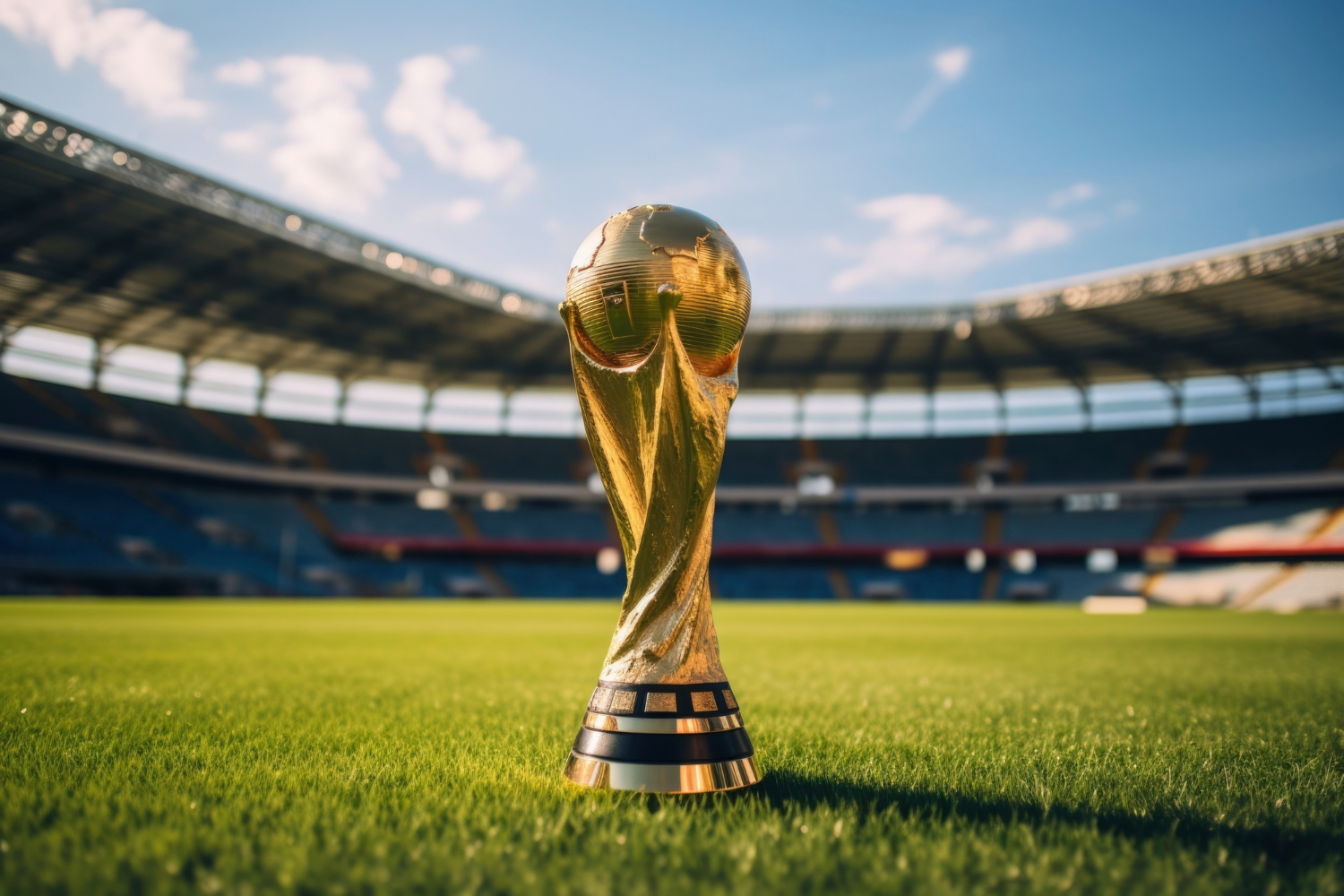
The 2026 World Cup is just one month away, but fraudsters have already taken the field. Fake sites, ads for "official" jerseys at outrageous prices, pirated tickets, and even pre-sales of Panini's sticker album are multiplying on social media and search results. What was supposed to be just fan excitement turned into a minefield of digital scams.
And the worst part: all of this happens before the first whistle. Criminals know that Brazilian football anxiety starts early — and they're using this to profit from perfect replicas of your brand.
Why has the 2026 World Cup already become a target before it even started?
Major events like the 2026 World Cup generate explosive searches well in advance. People search for "Brazil national team jersey 2026", "World Cup 2026 tickets", and "World Cup 2026 sticker album" months or even years ahead. Fraudsters track this movement and create fake domains and ads with strategic anticipation.
According to Check Point Research, more than 4,300 suspicious domains related to FIFA and the 2026 World Cup were registered since August 2025. Many use names similar to the official ones (typosquatting) to appear in Google results and social networks.
Read the full Check Point Research report
What's already happening in 2026
The explosion is real:
- 2026 World Cup sticker album: fake "pre-sale" ads for Panini's album circulate on Instagram, TikTok, and Facebook. Cloned sites promise hardcover kits + stickers at low prices, ask for instant payment, and never deliver. Panini itself has already denied any official pre-sale.
- Jerseys and official products: domains selling counterfeit "2026 national team jerseys" have exploded.
- Pirated tickets: sites and Telegram profiles offer tickets that don't exist or are illegally resold.
2026 World Cup sticker album becomes target of scams (CBN)
All of this uses the same tactic: imitate the visual identity of the brand, create urgency ("last units!"), and request payment via instant transfer or credit card on pages that look official.
The impact on the official brand
When the consumer falls for the scam, who loses is the brand:
- Direct sales loss — the customer buys the fake instead of the official.
- Brand dilution — the consumer associates the frustration with the brand or with FIFA.
- Reputation damage — complaints on Reclame Aqui and social media tarnish the licensed company's image.
In other words: the fraudster uses your brand to sell, but you pay the bill in reputation and revenue.
React or anticipate: the choice that defines the result
Many brands only wake up when the search peak explodes, close to the event date. By then it's too late. Fake sites have been online for months, collecting data and diverting sales.
The difference is in anticipation. Monitoring only in the month of the 2026 World Cup is like trying to put out a fire after the house has burned down. The problem starts now — and those who act early protect both the consumer and the bottom line.
How does Branddi's intelligent brand protection work
Branddi doesn't wait for the problem to arrive. With intelligent brand protection, the company provides:
- 24/7 AI monitoring across search engines, marketplaces, and social networks.
- Automatic discovery of fake sites and ads that use your brand.
- Human analysis + fast takedown (target of up to 48h).
- Clear reports for marketing and legal teams.
Result: the official brand appears in the right place, the fraudster is removed, and the consumer buys with confidence.
The 2026 World Cup is right around the corner, and fraudsters are already on the field
Don't let your brand become a victim before the kickoff. Intelligent brand protection turns risk into opportunity: you protect sales, reputation, and the relationship with the fan.
Request a free diagnosis of your brand for the 2026 World Cup →
Branddi already protects more than 300 major brands in Brazil and around the world. Don't wait for the peak to act — protect your brand now.
Related articles
-
Mother's Day 2026: how fraudsters exploit the date to deceive consumers and brands
Mother's Day 2026: fraudsters exploit brand bidding, cloned sites, and fake profiles to steal sales and inflate your CPC. Learn the real impact and how to apply preventive Brand Shielding with Branddi.
-
Valentine's Day 2026: why this date is one of the biggest targets for fraudsters
Valentine's Day 2026 is one of the favorite dates for fraudsters. See how fake sites of flowers, chocolates, and jewelry explode and how Branddi's intelligent brand protection guards your sales and reputation.