Domínios
Similar domains: learn how to recognize threats
branddi · Published on · Updated on
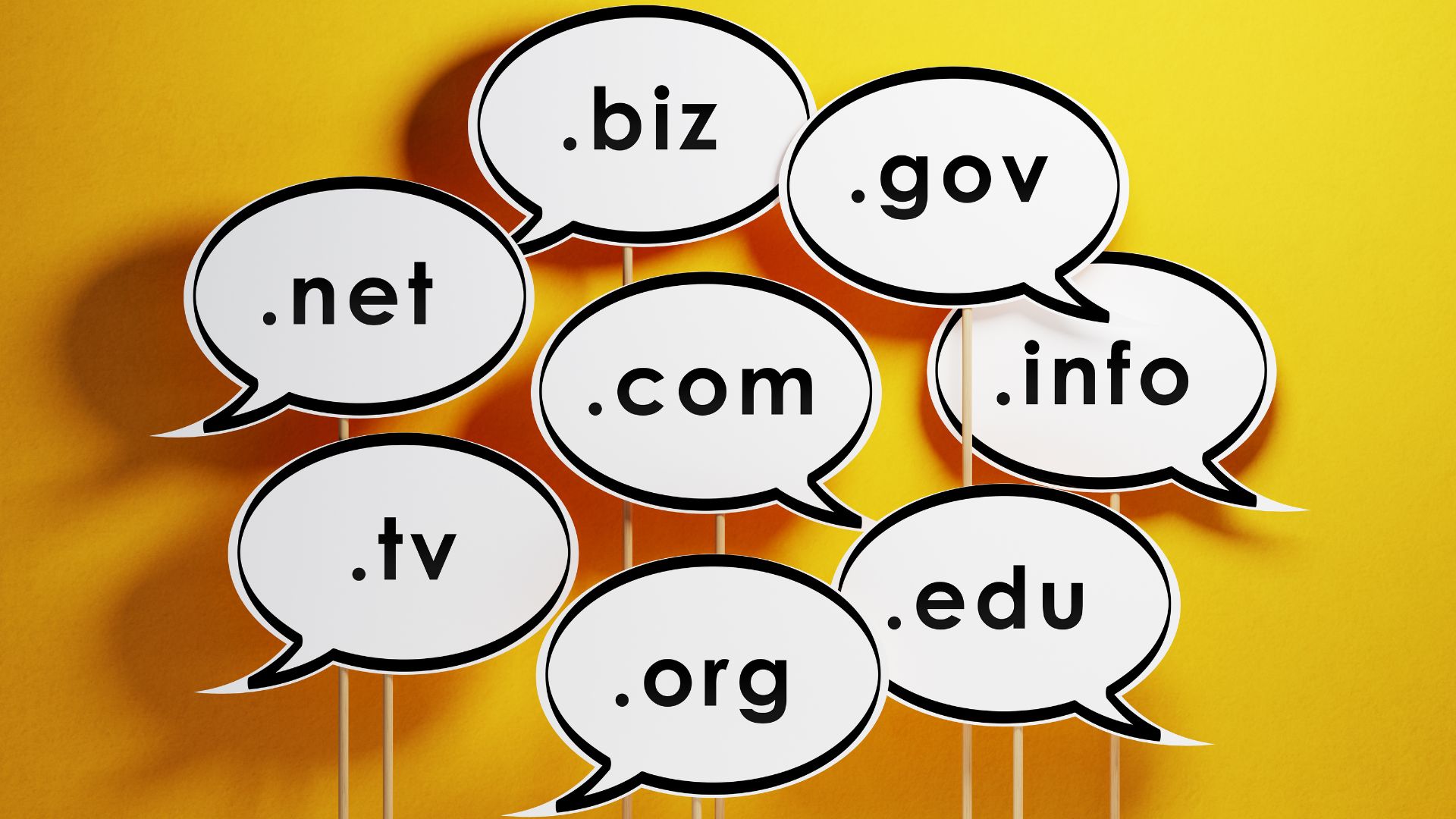
In the vast landscape of the internet, similar domains represent a growing source of concern, and the question "how to recognize the threats they carry?" It's one that we, at Branddi, respond to daily, helping companies protect their reputation and their customers. And therefore, we invite you to continue reading.
In this article, we will detail the methods and nuances behind malicious similar domains, enabling you to recognize them and take the necessary measures to defend yourself.
Let's go?
What can we understand by similar domains?
To truly understand the threat that lookalike domains pose, you need to go beyond the simple idea of a typo. ,
In fact, a lookalike domain is a web address intentionally created to resemble – visually or phonetically – the legitimate domain of a well-known brand. that evoke the original brand.
The scale of this problem is alarming. Proof of this is that recent digital security reports, such as the one released by Redbelt Security, point to the existence of approximately 5.54 million fraudulent URLs active only in 2024 in Brazil, many of which operate under the guise of similar domains.
This impressive number demonstrates that the creation of these fake addresses is not a fluke, but a deliberate and large-scale tactic. And the intention is always to exploit the trust that users place in the original brand, leading them into deception. Understanding these dynamics is the first step to protecting yourself.
What are the possible impacts of similar domains?
At first glance, a similar domain may seem like just a minor nuisance, a typo that leads to an inactive page. However, the reality is that these domains are powerful tools in the hands of scammers, and their capacity to cause significant damage is vast.
After all, the subtlety with which they are created makes them difficult to recognize for the average user, but the impacts they generate are concrete and often devastating for brands and their customers.
Continue reading to understand the depth of these risks.
Increased risk of phishing and scams
Similar domains are the perfect breeding ground for phishing attacks and other scams online. After all, by creating a web address that imitates that of a trusted brand, scammers trick users into believing they are interacting with the legitimate company. target="_blank">LexisNexis Risk Solutions reports that account takeovers (ATO), often originating from phishing and smishing attacks, accounted for 27% of fraud reported globally in 2024.
Although there was a slight drop from the previous year, this number still demonstrates the prevalence and continued danger of this tactic. id="">Loss of trafficWhen a user mistypes your brand name (typosquatting) or clicks on a malicious link that takes them to a similar domain, traffic that should go to your official website is diverted.
This diversion can have multiple negative consequences:
- Lost sales direct:if the similar domain hosts a fake store selling pirated or non-existent products;
- Increased advertising costs:unfair competitors may use similar domains for brand bidding campaigns, inflating their CPC costs;
- Lead diversion: potential customers may end up on competitors' pages or phishing sites, instead of engaging with your brand.
This loss of qualified traffic directly impacts the revenue and ROI of your marketing campaigns, making it more expensive and difficult to reach your customers.
Legal problems
The existence of similar domains used for illicit activities can generate serious legal complications for the original brand. After all, even if the company is the victim, it can be held responsible, to a certain extent, for protecting its customers against scams that use its name and visual identity.
For example, if customer data is used through a clone site hosted on a similar domain, the brand could face legal action for negligence in protecting this data.
In addition, the brand may have to bear legal costs to remove the infringing domains and combat illegal activities.
Reputational damage
Perhaps one of the most lasting and difficult to repair impacts is the damage to the brand's reputation.
This is because when customers are deceived or buy counterfeit products through a similar domain that passes for your company, trust in your brand is severely shaken.
And even if the fraud is not the direct fault of the company, the association of the brand name with negative experiences can lead to:
- Negative publicity on social networks and complaint sites;
- Loss of customer loyalty;
- Difficulty in attracting new ones customers;
- Perception that the brand is not safe or trustworthy.
Remember: recovering a tarnished reputation takes significant time, effort and investment, often exceeding the direct financial costs of fraud.
Confusion among users
The proliferation of similar domains creates an environment of intense confusion for users. This is because they may have enormous difficulty distinguishing the official website from imitations, especially if these are well-designed, faithfully reproducing the design and navigation of the original (a true clone website). digital loses authority and credibility, driving away potential customers who fear being victims of a scam.
The main types of attacks related to similar domains
Digital offenders are ingenious and use various tactics to create similar domains that deceive users and exploit the reputation of established brands. And the effectiveness of these attacks lies in their ability to appear legitimate at first glance.
KnowBe4, for example, reveals a worrying trend: emails related to internal HR and IT communications, which can often be forged using domains similar designs to appear even more authentic, accounted for more than 60% of the most clicked phishing emails.
This alarming statistic highlights how impersonation and the use of trust-inspiring names are central to the success of these scams.
Understanding the variations of similar domains is essential to proactively identify and combat these threats. Continue reading to learn about the most common methods!
Homographs or homoglyphs
Homographic (or homoglyphic) attacks exploit the visual similarity between characters from different alphabets or the replacement of characters within the same alphabet with others that are visually identical or very similar.
Com With the introduction of Internationalized Domain Names (IDNs), it became possible to register domains using non-Latin characters (such as Cyrillic, Greek, etc.). indistinguishable in many sources.
The impacts can be:
- Redirection to phishing sites;
- Theft of credentials, as the user believes they are on the correct site;
- Difficult to detect, as the visual difference is minimal or non-existent.
Typosquats
Typosquatting is the practice of registering domain names that are variations of common typos from popular brands or frequently visited websites. To do this, scammers rely on the fact that users often make small mistakes when typing URLs directly into the browser.
Variations are recorded that include:
- Omitting letters;
- Adding letters;
- Swapping adjacent letters;
- Replacing letters with nearby ones on the keyboard;
- Using different TLDs with the same name.
According to an older but still relevant study by Sophos, 80% of all mistyped domain names can lead to malicious websites or of typosquatting, created specifically to profit from these errors.
The same study revealed that up to 86% of possible single-letter spelling errors for major brands like Apple led to typosquatting sites.
See some examples:
- gooogle.com (Google);
- facebok.com (Facebook) id="">The goal is to make the domain look like a legitimate subdomain or brand-specific page.The brand name is concatenated with terms like "login", "secure", "account", "support", "offer", "promo", "official". Hyphens can also be used to separate words.Check out some examples:paypal-login.com;
- support-microsoftonline.com;
- conta-netflixseguro.com;
- facebook-security-update.net.
Soundsquats
Soundsquatting explores the phonetic similarity between a brand name and other words or combinations of words. It is particularly relevant with the rise of voice assistants and voice search, where a misinterpreted voice command can lead the user to an incorrect domain. href="https://www.wipo.int/amc/en/domains/caseload.html" target="_blank">OMPI handled a record number of almost 6,200 domain name dispute cases (an increase of more than 7% compared to 2022), submitted by brand owners.
See some examples to understand better:
- Analyze the TLD (Top-Level Domain): a .net or .org site pretending to be a brand that usually uses .com may be a red flag. Domains with less common or newly launched TLDs also deserve caution;
- Be careful with hyphens and extra words:Domains like your-brand-login.com or yourbrandsuporte.net are common combosquatting tactics;
- Note the design and content: Fake sites often have low-quality design, grammatical errors or links broken;
- Confirm security (HTTPS):although it is not an absolute guarantee (fraudsters also use HTTPS), the absence of the security padlock is a big red flag;
- Search for contact information and CNPJ: legitimate sites generally display this information clearly.
Remember, when in doubt, do not click and do not provide your data. Access the official website by typing the address directly into your browser or using your bookmarks.
How to protect your brand from lookalike domains?
Protecting your brand against the growing threat of lookalike domains requires a proactive, multifaceted approach.
With the World Intellectual Property Organization (OMPI) reporting a record of almost 6,200 cases of domain name disputes, it is clear that just reacting is not enough: companies need to adopt preventative and continuous monitoring strategies.
Below, we present some essential measures that you can implement to strengthen your brand's defense in the environment digital.
Perform defensive domain registration
Defensive registration consists of registering variations of your main domain, including common typos (typosquatting), different TLDs (.net, .org, .info, etc.) and even versions with hyphens or small changes.
Although it is not feasible to register all combinations As possible, focusing on the most obvious ones and those that pose the greatest risk can prevent fraudsters from taking over these addresses. Secure), enabled by an SSL (Secure Sockets Layer) certificate, is essential. After all, HTTPS encrypts communication between the user's browser and the website's server, protecting sensitive data.
Additionally, the padlock icon in the address bar has become a sign of trust for users.
While fraudsters can also obtain SSL certificates, having your main website properly secured helps differentiate it from less sophisticated imitations and reinforces the security.
Educate your users and collaborators
Awareness is a powerful weapon. A report by Check Point Software revealed that more than 90% of attacks on companies around the world originate from malicious emails, many of which contain links to similar domains and websites. phishing.” on the webImplement an active monitoring system to track how your brand is being used online.
This includes detecting new similar domain registrations, mentions on social media, ads that misuse your name, and the appearance of counterfeit products on marketplaces.
Specialized tools and brand protection services, like those offered by Branddi, can automate this process, identifying threats in real time and allowing a quick response to mitigate damage before it worsens.
Understand more about our actions below!
Protect your brand against similar domains with Branddi!
Given the complexity and persistence of threats from similar domains, counting on a specialized partner is the smartest decision. And that's where Branddi comes in, offering a complete solution, combining the precision of artificial intelligence with human expertise for 24/7 monitoring of all digital platforms. of institutional terms and the identification and takedown of 50 thousand fraudulent domains. Don't let your brand be the next victim!
Shield your brand right now! Visit our website and speak to one of our online consultants to find out how we can protect your biggest asset with shield marketing.
Related articles
-
Domain name system and its connection to digital fraud
Do you know what the Domain Name System is and how it relates to digital fraud? Join Branddi to learn about the topic.
-
How to create a domain?
Learn how to register your domain and the importance of protecting it with Branddi's support!