Geral
Ranking 2025: os golpes online mais comuns no Brasil
BranddiIP Team · Published on · Updated on
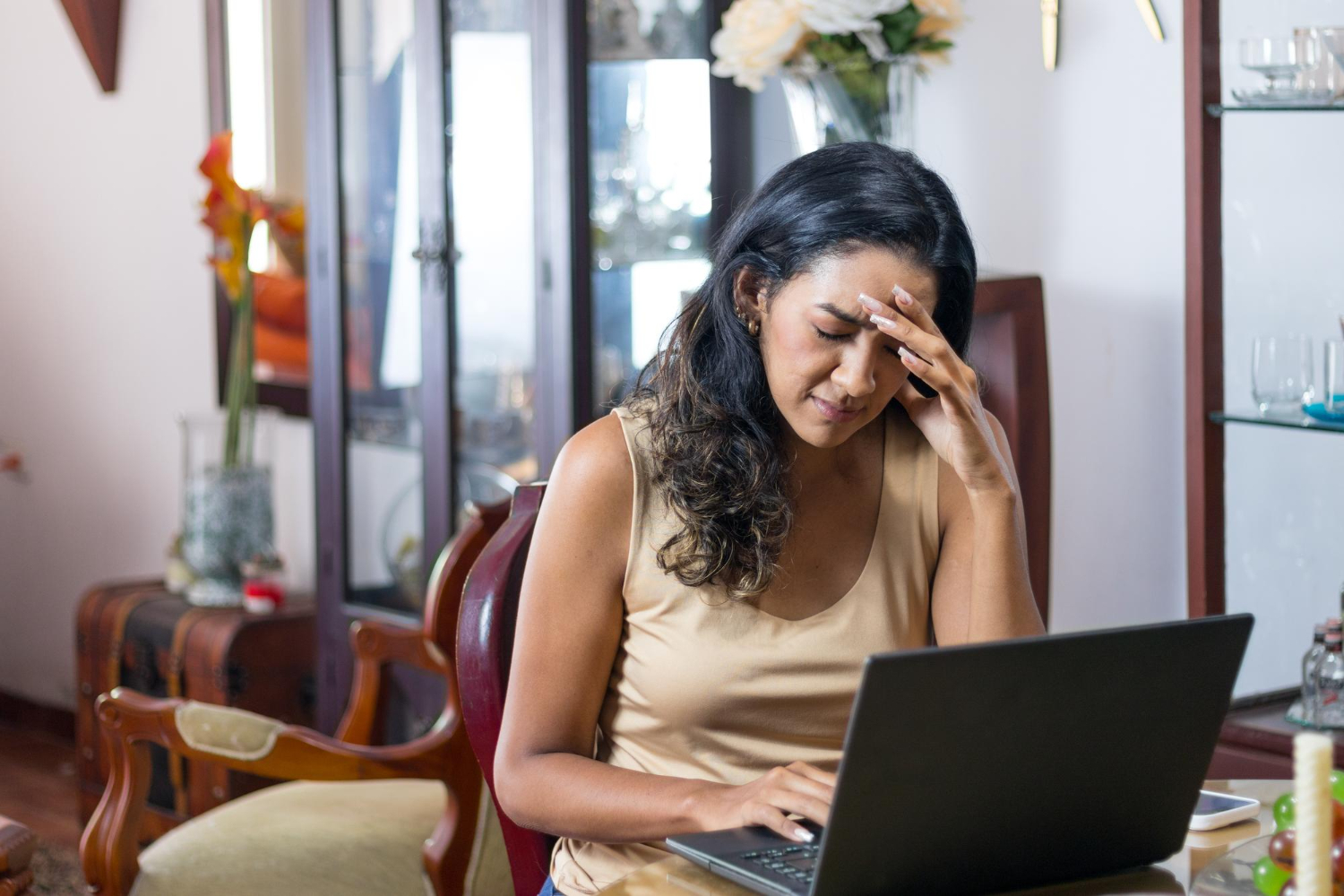
Companies of all sizes live with the risk of seeing their brand used in fake profiles, misleading advertisements or cloned websites. In 2025, the sophistication of online scams grows at the same speed as digital consumption expands in Brazil.
The result is a dangerous cycle: deceived consumers, brands unfairly involved and a growing distrust that threatens the credibility of the digital market itself.
Do you want to stay up to date with the main online scams? Check out the complete guide and discover how to protect your company!
Panorama of online scams in Brazil in 2025
Brazil is experiencing a combination between accelerated digitization of digital consumption and the sophistication of online scams.
According to data from the Brazilian Electronic Commerce Association (ABComm), Brazilian e-commerce has moved R$ 100.5 billion in the first half of 2025 alone. For the year as a whole, the entity projects revenue in the order ofR$ 234.9 billion, which represents an increase of around 15% compared to 2024
At the same time, the online scam environment shows worrying signs. 6 in 10 Brazilians stop buying from a brand after suffering a scam, according to data from Brandi. consumption. preventive monitoring is no longer a differentiator and has become a basic necessity.
Brands, banks and retailers need to detect suspicious behavior before it becomes a loss, with mention tracking tools, ad verification, real-time data analysis and quick response protocols.
More common scams between brands and consumers
New variations of more convincing scams emerge every year and difficult to detect on the internet. In the list below, find out about the most common types and what's behind them.
1. Product counterfeiting
Scammers use names and logos of well-known brands to sell fake products on large marketplaces. The consumer believes they are purchasing an original item, but receives something of low quality or nothing at all. In addition to the financial loss, the brand suffers from image degradation.
2. Fake profiles
These are pages thatcopy official profileson social media. They publish fake promotions and send direct messages to steal data or payments. The similarity with the real profile is so much that even attentive users can be fooled.
3. Cloned websites
Identical copies of legitimate online storesare created to capture personal and financial information. Often, the website address has just one letter changed. The layout is the same, which gives the appearance of authenticity and makes the scam difficult to identify.
4. Fraudulent advertisements
Offers with absurd discounts appear on social networks and search engines, attracting those looking for opportunities. The click leads to fake pages that ask for sensitive data or non-existent payments. These ads even use real campaigns to appear trustworthy.
5. Marketplace scams
Fake sellers advertiseproducts that do not exist or are adulterated, using the platform's credibility to deceive buyers. Even with security policies, the volume of transactions makes quick detection difficult.
The link between scams and brand reputation
Whenever a consumer is deceived by a fake website, a cloned profile or a counterfeit product, the real brand ends up being involved, even without having participated.
In the public's perception, it is the name of the brand that appears on the screen, and it is this that carries the weight of distrust.
The main effects of this impact:
- Consumers begin to doubt the authenticity of advertisements, promotions and official profiles, which reduces engagement and conversions;
- Victims turn to social networks and consumer protection platforms to report the scam, increasing the brand's negative exposure;
- The brand begins to be seen as insecure or negligent, which compromises years of image building and makes it difficult to regain customer trust. public.
Online scams are not just a security problem, they are also an image problem. The more exposed the brand is to fakes, fake profiles and cloned websites, the greater the risk of losing credibility.
The most affected sectors in 2025
According to the OECD report “Mapping Global Trade in Fakes 2025", theclothing, Footwear and leather goodsaccounted for 62% of counterfeit product seizures globally.
A study Technavio points out that the Brazilian cosmetics market, estimated to grow by US$5.5 billion between 2025-2029, also faces “availability of counterfeit brands” as a real challenge.
There are three reasons that explain why these categories are “champions” in scams: aspirational appeal (“want to have”) and changing trends. This generates volume and urgency, perfect conditions for those who counterfeit because there is continuous demand and less consumer tolerance for checking;Margins and brand visibility: branded products have a high perceived value and are identifiable (logo, distinct design, packaging format), which facilitates cloning and counterfeiting. The greater the brand recognition, the greater the chance of a fraudster using this “asset” to generate misleading sales;Chain complexity + digital channels: Supplements, electronics and cosmetics travel through global chains, passing through marketplaces, networks social and e-commerce. This dilution of control makes it easier for fake products to infiltrate.How to identify and prevent online scams?There are affordable tactics and tools that help brands detect and contain scams before they damage their reputation.
Monitor suspicious mentions and pages
Tools like Google Alerts, mLabs Analytics or Brand24 allows you to track mentions of your company name, detect duplicate pages and identify fake ads. Daily monitoring helps you quickly notice when something out of the norm appears.
Report and request immediate removal
Social networks and marketplaces offer direct channels for reporting counterfeits and brand misuse. Sending proofs, prints and links speeds up the deletion of fraudulent profiles and ads, preventing more consumers from being affected.
Use technology to detect anomalies
Brand intelligence and machine learning software can track irregular behavior, such as sellers with prices well below the average, spikes in identical ads and newly created domains with names similar to the official one.
The importance of brand shielding
Brand shielding is the set of practices, policies and technologies aimed at protecting a company's intangible assets (such as name, logo, visual identity and reputation) against misuse on the internet.
This process is technically known as digital brand protection. More than reacting to scams, digital brand protection is a way of predicting and neutralizing risks.
Active monitoring of scam signs protects the brand, because it prevents the proliferation of attacks that erode credibility, and also the consumer, who is less likely to be fooled by fake pages or profiles.
Now that you know what the biggest online scams are in 2025, follow Branddi and Follow our alerts on the main online threats affecting brands in Brazil. We are on Instagram and LinkedIn!
Related articles
-
Falsificação e pirataria digital: o risco oculto da Black Friday
Entenda como a explosão de anúncios e novos vendedores na Black Friday abre espaço para falsificadores. E aprenda a proteger seu negócio online!
-
A IA agora vende por você? Entenda o que está por trás do UCP do Google
O Google lançou o UCP e iniciou uma nova fase do e-commerce. Entenda os impactos da IA na jornada de compra.
-
Depois do clique: como proteger sua marca quando as LLMs decidem por você
Consumidores usam LLMs para validar compras mesmo após acessar seu site. A IA pode citar concorrentes ou golpes. Blindagem digital é urgente.
-
Depois do clique: como proteger sua marca quando as LLMs decidem por você
Consumidores usam LLMs para validar compras mesmo após acessar seu site. A IA pode citar concorrentes ou golpes. Blindagem digital é urgente.
-
O topo do funil saiu do seu controle: como IAs estão decidindo o que o consumidor vê primeiro
O topo do funil de vendas agora é mediado por inteligência artificial. Saiba como isso afeta a visibilidade das marcas e como retomar o controle!