Brand Protection
Brand safety: como e por que blindar a sua marca online?
BranddiIP Team · Published on · Updated on
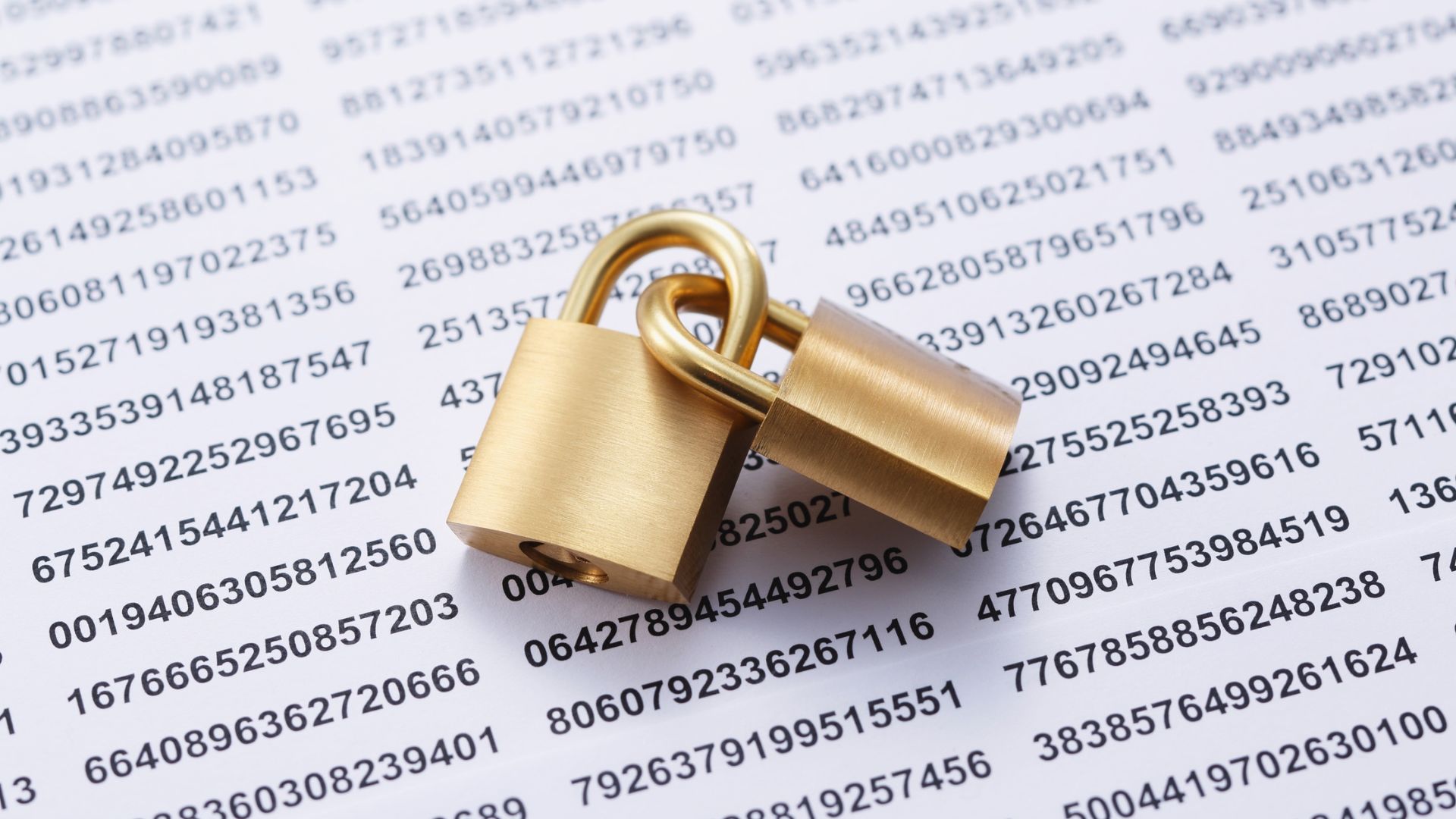
Protecting your brand in the digital environment – what we call brand safety – has become a fundamental pillar for the success of any business.
But, with so many threats and challenges, how can you ensure that your brand remains safe and relevant online? And why is this concern so vital to your company's growth and reputation?
At Branddi, we understand the complexity and importance of this issue. That's because, with years of experience in brand protection and a deep knowledge of the digital landscape, we've gathered valuable insights to help you navigate this topic. online.
What is brand safety?
In simple terms, brand safety refers to the measures and practices that a company adopts to ensure that its brand is not associated with inappropriate, offensive, illegal or harmful content online.
After all, imagine the following situation: your ads appearing next to fake news, hate speech or videos with explicit content. The negative impact on your brand's image would be undeniable, right?
Proof of this is that, according to a study by the Ovum Institute in partnership with the company LogMeIn, published on Promoview, around 82% of consumers stop purchasing with a certain brand because of a single negative experience. right.
Difference between Brand Safety and Brand Suitability
Understanding that brand safety involves creating a safe online environment for your brand to connect with the right audience is just the first step. After all, the term is often confused with another important concept: brand suitability. But what's the difference between them?
While the first focuses on avoiding associations with clearly inappropriate content (such as hate speech, fake or illegal news), the second goes further, seeking to align the brand with content that is relevant and appropriate for its target audience, even if it is not intrinsically negative.
Think of an example: an advertisement for a children's product brand can be brand safe if it does not appear next to violent content. However, it may not be brand suitable if displayed on a website aimed at an adult audience who does not have children.
In short, the former ensures that your brand is not harmed by bad associations, while the latter maximizes the relevance and impact of your campaigns.
What are the benefits of brand safety?
First of all, we need to say that investing in brand safety is much more than simply avoiding problems. It's a smart strategy that can boost your brand's growth, strengthen customer trust and increase your return on marketing investment.
The latest Integral Ad Science (IAS) Media Quality Report revealed a 72% increase in the proportion of content considered risky for brands. This alarming data demonstrates the growing importance of monitoring and protecting your brand against negative associations.
Next, we will explore in detail the main gains you can obtain by prioritizing the protection of your brand in the digital environment. Read on to discover how to turn security into a competitive differentiator!
Increasing consumer confidence
Consumer trust is one of the pillars of any successful brand. And, in a digital environment full of risks and uncertainties, brand safety plays a fundamental role in building this trust. target="_blank">PDNews, revealed that 88% of users feel more confident in brands that invest in protection against fake websites and digital scams. By ensuring that your ads are displayed in safe and relevant environments, you increase the likelihood of impacting the right audience and generating positive results.
In addition, avoiding negative associations and ensuring brand suitability contributes to better performance of your campaigns, optimizing the use of your marketing budget and boosting return on investment.
Reducing crises and rework
An image crisis can have a devastating impact on a company's results, generating losses financial losses, loss of customers and damage to reputation.
Thus, by investing in brand safety, you significantly reduce the risk of facing negative situations, such as the placement of advertisements alongside inappropriate content or the dissemination of false news about your brand.
This allows you to focus your efforts on building and strengthening your image, instead of putting out fires and dealing with rework.
Strengthening the image and reputation of brand
The way your brand is perceived by the public is one of its most valuable assets. This is because, by ensuring that your brand is associated with positive values, such as safety, ethics and responsibility, you strengthen your image and build a solid and lasting reputation. Prova disso é que a Serasa Experian revelou que as tentativas de fraude cresceram 22,9% no primeiro trimestre de 2025 em comparação com o mesmo período de 2024.
Ao investir em brand safety, você protege a sua marca contra o uso indevido da sua imagem, a falsificação de produtos e outros tipos de golpes que podem prejudicar a sua reputação e gerar prejuízos financeiros.
Maior previsibilidade e controle sobre o investimento publicitário
Com o brand safety, você define critérios claros e objetivos para a veiculação dos seus anúncios, garantindo que eles sejam exibidos em ambientes alinhados com os seus valores e objetivos de marca.
Isso permite que você tenha maior previsibilidade e controle sobre o seu investimento publicitário, evitando desperdícios e maximizando o impacto das suas campanhas.
Quais são os principais riscos digitais para marcas hoje?
No cenário digital atual, as marcas enfrentam uma série de desafios que podem comprometer sua imagem, reputação e resultados financeiros.
Entre os principais riscos, destacam-se:
- Perda de credibilidade: associações negativas com conteúdos inadequados ou ilegais podem minar a confiança dos consumidores na sua marca;
- Crise de imagem: a disseminação de notícias falsas, boatos ou comentários negativos nas redes sociais pode gerar uma crise de imagem de grandes proporções;
- Desperdício de verba publicitária: a veiculação de anúncios em sites de baixa qualidade ou com conteúdo irrelevante pode gerar desperdício de recursos e baixo retorno sobre o investimento;
- Ataques de concorrência desleal: práticas como "brand bidding" e o uso indevido da sua marca por concorrentes podem desviar tráfego e clientes para outras empresas;
- Falsificação de produtos e golpes online: a venda de produtos falsificados e a aplicação de golpes online utilizando a sua marca podem gerar prejuízos financeiros e danos à reputação;
- Vazamento de dados e falhas de segurança: a exposição de dados de clientes e falhas de segurança nos seus sistemas podem comprometer a confiança dos consumidores e gerar problemas legais;
- Comentários negativos e avaliações ruins: a falta de monitoramento e resposta a comentários negativos e avaliações ruins pode prejudicar a imagem da sua marca e afastar potenciais clientes;
- Ataques de hackers e phishing: a invasão dos seus sistemas por hackers e a aplicação de golpes de phishing podem comprometer a segurança dos seus dados e dos seus clientes;
- Discurso de ódio e conteúdo extremista: a associação da sua marca com discursos de ódio e conteúdos extremistas pode gerar boicotes e reações negativas por parte do público;
- Fake news e desinformação: a disseminação de notícias falsas e informações distorcidas sobre a sua marca pode prejudicar a sua reputação e gerar desconfiança por parte dos consumidores.
Onde o brand safety pode ser aplicado?
Diante de tantos riscos que as marcas enfrentam no ambiente digital, surge a pergunta: onde o brand safety pode ser aplicado para garantir uma proteção eficaz?
A resposta é: em praticamente todas as plataformas e canais online onde a sua marca está presente.
Entre os principais, destacam-se:
- Mídia paga: garantindo que seus anúncios sejam exibidos em sites e aplicativos seguros e relevantes, evitando associações negativas com conteúdos inadequados ou ilegais;
- Anúncios programáticos: utilizando ferramentas de brand safety para filtrar inventários de baixa qualidade e garantir que seus anúncios sejam exibidos em ambientes alinhados com os seus valores de marca;
- Redes sociais: Monitorando as menções à sua marca e respondendo a comentários negativos, boatos e notícias falsas, protegendo a sua imagem e reputação;
- Marketing de conteúdo: criando conteúdos relevantes e de alta qualidade que transmitam os seus valores de marca e atraiam o público certo, evitando associações negativas com conteúdos de baixa qualidade ou enganosos;
- E-mail marketing: segmentando sua lista de e-mails e personalizando suas mensagens para garantir que seus conteúdos sejam relevantes para cada destinatário, evitando o envio de spam e a associação com práticas de marketing invasivas;
- Influenciadores digitais: escolha influenciadores que compartilhem os seus valores de marca e que tenham uma reputação positiva, evitando associações com personalidades controversas ou que promovam conteúdos inadequados;
- Search Engine Optimization (SEO): monitoramento das palavras-chave associadas à sua marca e otimização do seu site para garantir que ele apareça nos primeiros resultados das buscas, evitando que conteúdos negativos ou enganosos prejudiquem a sua imagem;
- Marketing de afiliados: estabelecimento de critérios claros para a escolha de afiliados e monitoramento das suas ações para garantir que eles não utilizem práticas de marketing enganosas ou que prejudiquem a sua marca;
- Mobile marketing: garantia de que seus aplicativos e anúncios para dispositivos móveis sejam seguros e relevantes para os usuários, evitando a associação com conteúdos inadequados ou invasivos;
- Vídeo marketing: produção de vídeos de alta qualidade que transmitam os seus valores de marca e atraiam o público certo, evitando a associação com conteúdos violentos, pornográficos ou que promovam discursos de ódio.
Como implementar o Brand Safety na prática?
A teoria é importante, mas a prática é fundamental. That's why, at Branddi, we know that implementing an effective brand safety strategy requires knowledge, appropriate tools and constant monitoring. mediaSetting up filters and security parameters is the first step in ensuring that your ads are displayed in safe and relevant environments. marketing budget.
Activate alerts for misuse of name, logo and keywords
Constantly monitoring the use of your name, logo and keywords is essential to identify and combat unfair competition practices, counterfeiting of products and other types of online scams.
For this reason, activate alerts in social media and search monitoring tools to be notified whenever your brand is mentioned in Negative or suspicious contexts. w-richtext-figure-type-image">The proliferation of fake ads and profiles on social media and other online platforms is a growing threat to brands. According to data from Allure Security, there are more than 252,000 new websites created every day, and between 290,000 and 370,000 phishing sites are detected monthly.
Perform constant monitoring of online platforms to identify and remove ads and fake profiles that misuse your brand. This way, by protecting your brand against falsification and misuse of your image, you avoid financial losses and strengthen your customers' trust.
Monitor brand mentions on social networks and news portals
Constant monitoring of social networks and news portals is essential to identify and respond to negative comments, rumors and fake news that can harm your image and reputation.
To do this, use tools of social media monitoring to monitor mentions of your brand and respond to negative comments quickly and efficiently, demonstrating concern for the satisfaction of your customers and the quality of your products and services.
Create a reporting center for employees, partners and consumers
Creating a reporting center is an effective way to involve your employees, partners and consumers in protecting your brand.
So, encourage your employees, partners and consumers to report unfair competition practices, counterfeiting of products and other types of online scams that misuse your brand. brand safety in your campaign analyzes is essential to measure the effectiveness of your brand protection actions and identify opportunities for improvement.
Define clear and objective metrics to evaluate the safety of your campaigns, such as the number of ads served on secure websites, the number of positive mentions of your brand on social media and the number of reports of product counterfeiting.
Remember: by constantly monitoring your brand safety KPIs, you ensure that your actions brand protection measures are effective and that your brand is protected against digital risks.
Rely on specialized support for monitoring
Although it is possible to implement some brand safety actions on your own, having specialized support is essential to guarantee complete and effective protection of your brand.
Companies specialized in brand safety, such as Branddi, offer constant monitoring, data analysis and removal of false content services, allowing you focus your efforts on other areas of your business.
But what are the benefits of having a complete brand safety solution? This is what we will see below!
Elevate your brand safety with support from Branddi!
As we have seen, implementing an effective brand safety strategy requires knowledge, appropriate tools and constant monitoring. And that is why, if you are looking for complete and effective protection for your brand, having specialized support is essential.
Here, at Branddi, we offer a complete brand safety solution, which includes constant monitoring, data analysis and removal of false content.
Our team of experts is prepared to help you protect your brand against digital risks and build a solid and lasting reputation in the online environment.
Don't let digital risks compromise your image and your results: count on Branddi's shielding marketing and take your brand safety to a new level!
Related articles
-
Phishing against fintechs: choosing brand protection
Learn how to scope phishing monitoring and removal support for fintechs, assign responsibilities and assess a pilot using verifiable evidence.
-
In-house vs outsourced brand protection: the real maths
The cost of in-housing brand protection isn't the tool, it's the per-channel operation. See what the spreadsheet forgets and how to decide with a measured pilot.
-
How the Amazon Buy Box works and why you lose it
The Buy Box concentrates sales on the product page. See Amazon's and Mercado Libre's official criteria, and what changes with the 2026 eligibility removal.
-
How to choose a brand protection company: 9 criteria
Compare coverage, costs, timelines and evidence from brand protection providers. Use a nine-criteria matrix with clearly defined outcome metrics.
-
TikTok Shop, YouTube Shop, and ChatGPT Shop: The New Battlefields of Brand Protection in 2026
TikTok Shop, YouTube Shopping, and ChatGPT Shop have become new sales channels — and new risks. See how to protect your brand in social commerce in 2026.