Eventos
Branddi at Web Summit: AI, trust and brand protection
Branddi · Published on
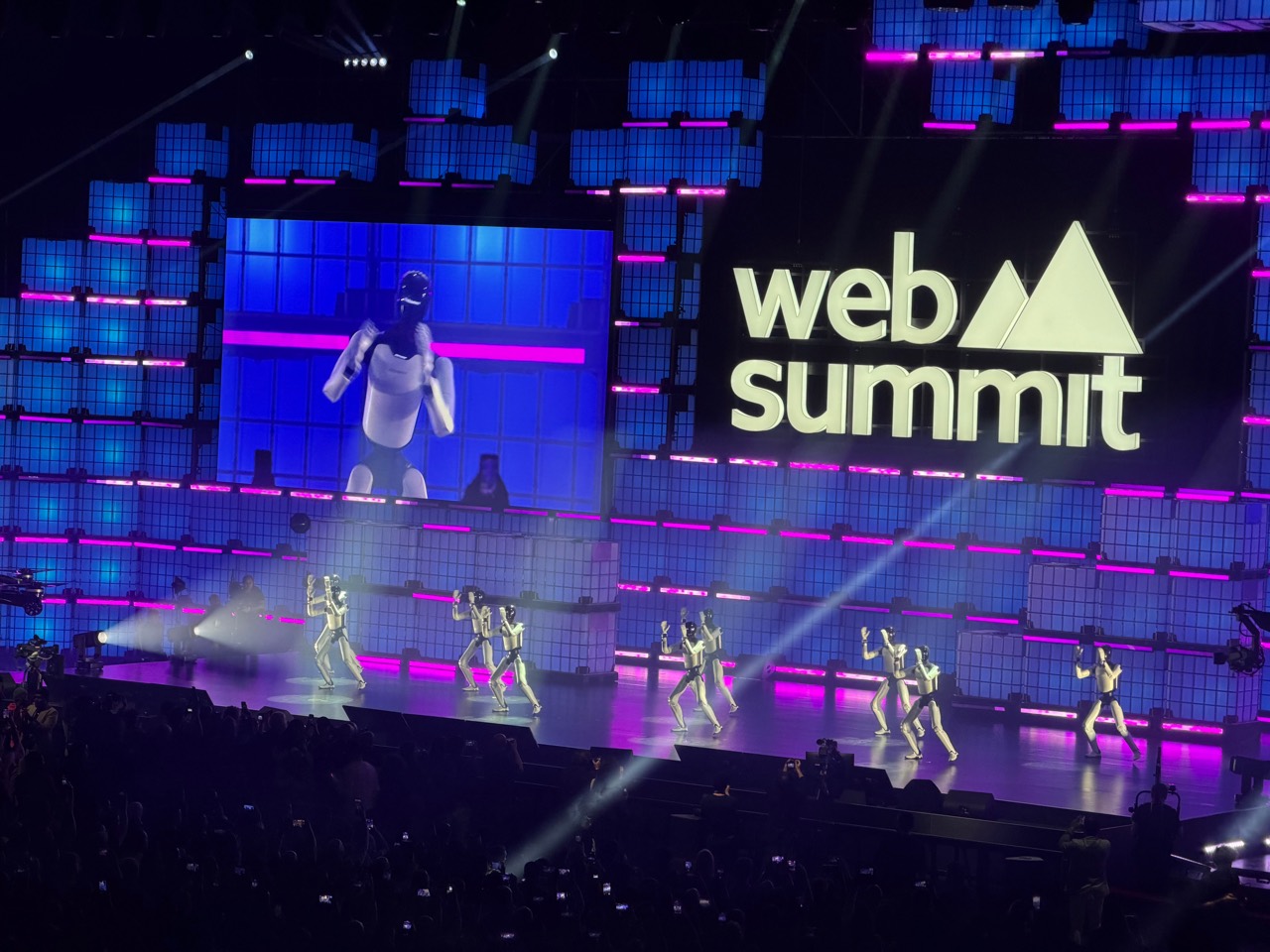
Branddi is attending Web Summit Lisbon 2026 with a question: how can we protect trust in brands as AI agents become involved in purchasing decisions? Opening night brought this discussion closer to business, connecting technological autonomy, digital identity and the legitimacy of the channels that reach consumers.
Artificial intelligence is expanding its role: beyond answering questions, it can carry out tasks. Agents research, compare options, communicate and, when authorized, conduct transactions.
For those working in brand protection, this shift raises an immediate question: how can we ensure these systems find legitimate information and direct consumers to the right business?
This is our main takeaway from the opening. The transformation involves productivity, but also trust, reputation and responsibility for companies' digital presence.
What changes when a brand needs to be recognized by people and agents?
The panel on the future of AI brought together Matthew Prince, co-founder and CEO of Cloudflare, Anton Osika, co-founder and CEO of Lovable, and Richard Socher, co-founder and CEO of Recursive and You.com. The discussion is part of a broader shift: AI systems are becoming involved in steps that previously depended on a person browsing and assessing information directly.
From Branddi's perspective, this brings visibility and brand protection closer together.
If an agent helps choose a supplier, it matters which sources it consults, how it identifies the official channel and what information it uses to present an option to the user. Being found is part of the challenge. Being correctly identified is another.
A domain impersonating a company, an advertisement misusing its identity or an offer for a counterfeit product already poses risks to consumers. In an AI-mediated journey, we also need to assess how these elements might influence agents' research and decisions.
This is a possible consequence of the transformation discussed at the event. It does not mean every agent will be fooled by a fake page, or that existing verification mechanisms have stopped working. It means there is a new interaction to observe: how automated systems recognize a brand and choose the routes that lead to it.
Why does agent autonomy make verification more important?
In the session on the age of agents, Tao Zhang, co-founder and Chief Product Officer of Manus, presented the evolution of systems capable of completing more steps in a task. The features described included their own phone number, email and digital wallet, with purchases subject to user authorization.
For brands, the point matters: as the distance between researching and acting shrinks, verifying the identity of whoever is selling or communicating becomes more important.
A recommendation can lead to contact. Contact can lead to registration. Registration can lead to a transaction. At each step, it is necessary to understand who is on the other side.
In our view, this evolution reinforces five questions for companies:
- Where is the brand found? Which pages, platforms and sources present information about it?
- Who is using its name? Is it the company itself, a legitimate partner or an unrelated third party?
- Which domain receives the visit? Does the route lead to the official channel or a page attempting to impersonate it?
- Who offers the product or service? Are the seller's identity and relationship with the brand clear?
- Where is the transaction directed? Does the recipient correspond to the business the consumer intended to deal with?
These questions are already part of brand protection. The presence of agents adds a layer of analysis about how consumers reach a company and which decisions may take place along that route.
What does the presence of Chinese companies add to this discussion?
The opening programme also highlighted Chinese companies and applications of AI in the physical world, with participants involved in robotics and mobility.
For Branddi, this reinforces the need to follow an international competitive environment, with new manufacturers, platforms, partners and distribution channels.
A company's origin does not determine the legitimacy of its activities. The challenge for brand protection lies in understanding these commercial relationships and verifying the identity of products, representatives and offers.
It is important to distinguish legitimate competition, authorized resale, identity misuse and counterfeiting. These are different situations and require different assessments.
The broader the commercial chain, the more important it becomes to maintain clear official references about the company, its products and its channels.
How do agents and robots enter the relationship of trust with a brand?
The robotics programme took the discussion beyond screens. Systems capable of interacting with people and operating in the physical environment expand the possible uses of AI — and the situations in which a company needs to take responsibility for the experience it provides.
A demonstration at an event does not, by itself, prove that a technology is ready to operate in any context. Between a presentation and everyday use, there are conditions, limits and responsibilities that need to be assessed.
When a company incorporates an agent or a robot into customer service, consumers may associate its responses and actions with the brand itself.
Incorrect information about a product, guidance that contradicts purchase terms or a promise the company cannot fulfill can undermine that relationship. An automated interaction still has an effect on reputation.
In our assessment, this experience requires accurate information, clear limits on what the system can do and the possibility of human intervention when needed.
Trust depends both on the identity of whoever is presenting themselves and on the quality of what the interaction delivers.
What does Branddi take away from the opening of Web Summit?
Opening night reinforced a central reflection: protecting a brand includes preserving trust at every point where it is found, interpreted and chosen.
This connects three areas that need to work together:
- Presence: what information about the company is available and which channels it appears in.
- Legitimacy: how people and systems distinguish official references from misuse of identity.
- Experience: what happens when consumers interact with the brand, directly or through technology.
These areas are related, but they are not equivalent. Appearing in an AI response does not prove the company was recommended. Being recommended does not guarantee the suggested route leads to the correct channel. And reaching the official channel does not remove the need for a trustworthy experience.
Following this transformation therefore requires observing both opportunities for discovery and possible diversions along the journey.
For Branddi, Web Summit provides a space to connect these discussions with brand protection work: following technological changes, assessing their implications and distinguishing announced possibilities from demonstrated capabilities.
With agents participating in decisions, monitoring the use of identity, identifying diversions and maintaining consistent official references takes on an additional dimension.
Technology changes the purchasing journey. The responsibility to protect brands and consumers changes with it.
Coverage reference: the official programme for Web Summit Lisbon 2026 opening night on November 9. The features presented by Manus were also described in coverage of the interview with Tao Zhang. The implications for brand protection presented in this article are Branddi's interpretations.
Related articles
-
Brand Protection, Prizes, and an iPhone 17 up for Grabs
At Fórum E-Commerce Brasil 2026, Branddi (booth B33) brings a prize wheel, iPhone 17 raffle, and a free brand protection diagnosis.