Inteligência Artificial
The end of the click? How AI search is dismantling the top of the Google funnel
branddi · Published on · Updated on
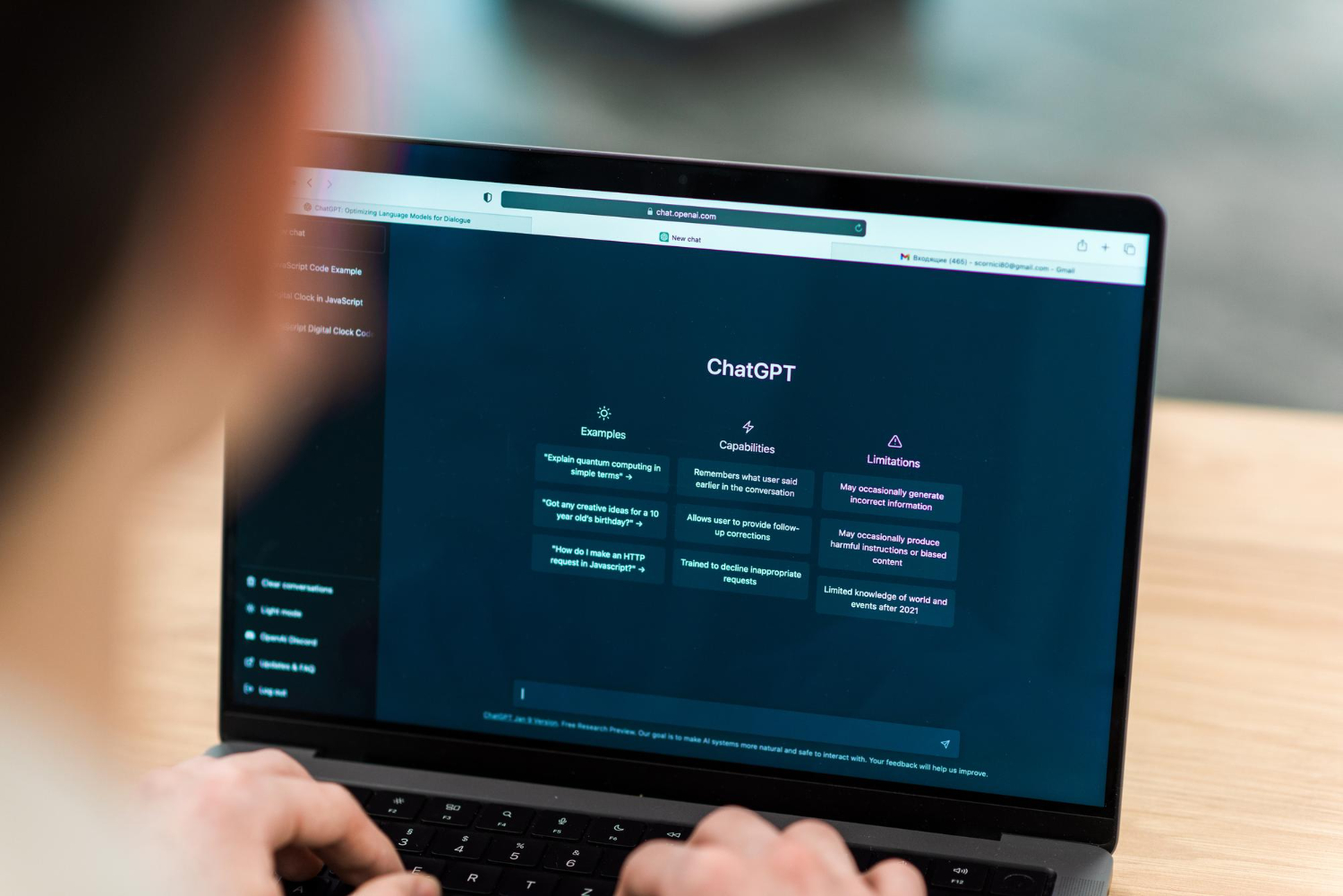
The top of the funnel has always been about clicks, and that's going away. The old logic was like this: appear on Google, get the click and control the experience on the website. In the era of AI search, Google starts to deliver the answer before accessing the website, and a relevant part of the funnel begins to happen within the SERP itself.
All this change began to consolidate when Google officially launched AI Overviews in May 2024, during Google I/O, transforming a previous experiment into a central component of the search.
Are we facing the end of the click? To understand what's really changing and how brands can adapt, check out the guide below.
How have AI Overviews changed Google searches?
AI Overviews aresummaries generated by artificial intelligence displayed at the top of the Google results page, combining information from multiple sources and offering direct answers before traditional links even appear.
It's easy to identify: AI Overview appears as a highlighted block, usually before traditional organic links, bringing a structured answer to the user's question, accompanied by secondary links for those who want to delve deeper.
One research based on data from Ahrefs, published in February 2026, AI Overviews nowreduce click-through rates to the first result by 58% .
Other reports suggest even greater reductions, with drops of more than 60% in organic CTR and growth in so-called “zero-click” searches, when the user finds the answer without accessing any website.
Why AI Mode + Gemini is a new step in search with AI?
With AI Mode, Google search starts to behave like an continuous conversation. Instead of browsing links, the user asks questions in natural language, similar to searches within ChatGPT.
During the search, the AI Mode user compares options and receives contextualized answers in the interface itself:
Source: Google Blog
The new format changes the logic at the top of the funnel: the journey is no longer linear (search → website → purchase) and starts to occur within a single decision flow mediated by AI.
Yet another structural change from Google is the Universal Commerce Protocol (UCP). Created as an open standard for agentic commerce, it connects AI agents, retailers and payment systems across the entire journey, establishing a common layer for purchases to be completed directly within Google's conversational experiences. funnel, the rules change quickly for brands: less control over discovery; less traffic predictability and more risk of third parties capturing intention when the official source is unclear. unfair competition, piracy and brand abuse in search engines, marketplaces and social networks.
Specialized platforms such as Branddi use AI monitoring technology and operational action to detect, combat and remove illegal content, advertisements and products across the digital environment.
Monitor misuse to avoid contamination of references
With multiple sources feeding AI responses, any distortion tends to escalate quickly. The most used solution today is to combine continuous tracking with structured takedowns in marketplaces.
Shielding traffic and digital identity
Fake domains, fraudulent ads and pages that imitate brands can divert intent and revenue, a scenario evidenced by periods with thousands of active fraudulent sites posing as large companies.
Centralizing identity, validating domains and defeating fraud ensures that AI-driven demand reaches its legitimate destination.
Did you like the strategies presented? The “end of the click” is a profound change at the top of the funnel, and brands that do not adapt to this new era of search engines will continue to lose organic traffic.
Do you want to understand how to protect your digital presence in this new scenario? Speak to a specialist and request a free diagnosis at Branddi.
Related articles
-
How to appear in AI answers: what decides a citation
Google says there is no special optimization for AI Overviews. What decides the citation is what third-party sources publish about your brand.
-
Agentic AI: the new weapon fraudsters use to attack brands at scale
Agentic AI is changing the economics of digital fraud: industrial-scale attacks against brands. See how Branddi protects in real time.
-
More than half of Brazilians have already purchased products influenced by AI recommendations
AI tools are already part of the buying journey for 66% of consumers, research shows
-
Alexa+, Gemini, and ChatGPT: who controls discovery at the new top of the funnel
AI assistants are replacing links with direct answers. Discover who controls brand visibility in the new digital funnel.
-
AI use in business: hero or villain for your company?
Is AI use in business a competitive advantage or a threat? Join Branddi and learn more about this question and how to protect your brand in this landscape!