Geral
O que é o app Lovable e os golpes que já circulam por lá?
BranddiIP Team · Published on · Updated on
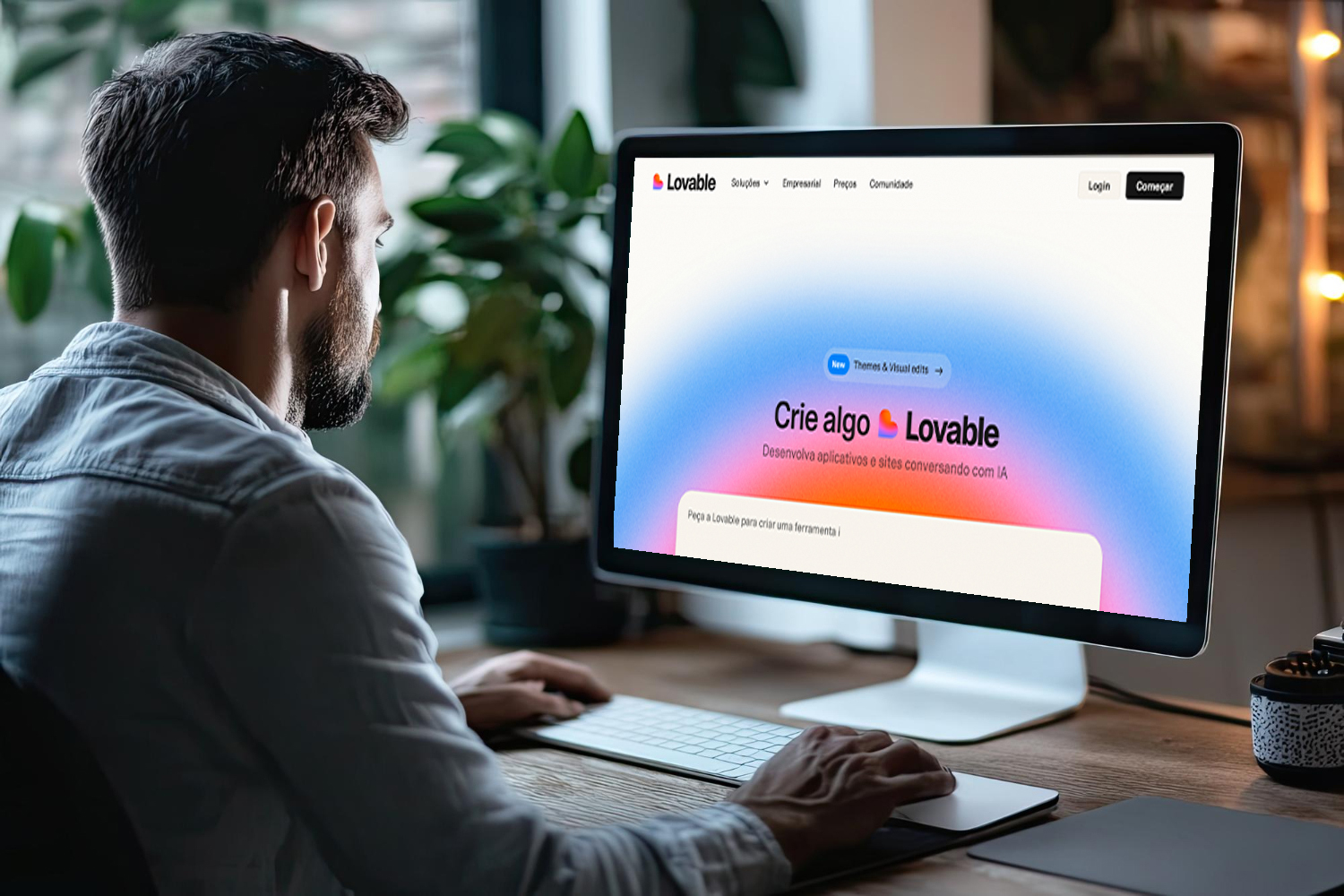
Lovable gained global visibility for enabling the creation of AI systems and became a point of attention for brands concerned about digital security.
In 8 months of launch, the platform went from 1 million dollars in annual recurring revenue to more than US$ 100 million, with tens of thousands of paying customers and millions of projects created on the platform.
The abrupt growth has opened space for risks that arise whenever a technology becomes popular faster than its mechanisms mature. protection.
To understand exactly what is happening and how the main scams that are already circulating through Lovable work, check out the complete guide below.
What is Lovable and why did it gain prominence?
Lovable is an AI software creation application. It works in a simple way: you describe in text the type of system you want to create and the platform generates everything itself: layout, pages, database and functionalities.
The project was born in Sweden, created by Anton Osika and Fabian Hedin, and was launched at the end of 2024. From then on, it grew very quickly and attracted attention for allowing anyone, even without knowing how to program, to create complete applications in minutes.
Lovable home screen (Source: Lovable)
The growth happened because Lovable reduces almost all the “difficult” part of programming. Instead of codes and commands, the user talks to the AI, asks for adjustments, creates new screens and watches the app take shape. Lovable is the same thing that attracts legitimate users: ease, speed and low cost. With automatic website creation tools powered by AI, criminals do not need in-depth technical knowledge.
They can generate, in just a few minutes, visual and functional pages that imitate real websites, including professional design, convincing texts and the typical structure of legitimate companies. This drastically reduces the “barrier to entry” for mounting scams.
Tactics used include:
- Fake sites built with Lovable that imitate the look of trusted brands or services;
- Malicious links disguised as legitimate campaigns (such as promises of coupons, promotions or invitations) that lead to phishing;
- Profiles or similar pages that appear to be “partners” or “official resellers” of real companies, with a convincing appearance, but that exist only to capture personal data, passwords or information financial.
How can brands reduce risks?
To reduce risks, companies need to adopt an active protective stance, monitoring where and how their identity is being used.
Below are the main strategies to strengthen this defense.
Monitor the use of the name and logo within the app
Brands need to monitor how the brand's name, slogan and visual identity appear on platforms such as Lovable.
A person from the company may be responsible for quickly identifying websites, pages or applications that simulate partnerships, official resales or non-existent promotions. The earlier the detection, the lower the impact.
Report fake profiles and suspicious ads
After identifying a project, profile or advertisement that imitates the brand, our recommendation is to activate the platform's reporting channels. Quick exclusion prevents scammers from gaining scale and reduces the number of consumers exposed to the scam.
Ensure verified official communications
The brand must reinforce, across all its channels, how consumers can confirm whether a campaign is authentic: withofficial links and verified domains. Such care reduces the chance of someone landing on a fake website that appears legitimate.
Create alerts and internal training on new forms of scams
Marketing, SAC, legal teams and partners can be trained to recognize signs of modern scams. The more prepared the team, the faster the response to incidents and the clearer the communication to the public.
Investing in digital shielding
The volume of new tools and the ease of creating fake websites make multichannel monitoring the new frontier of online brand protection.
It's This is where specialized solutions in digital shielding make a difference. Branddi acts as a strategic ally in detecting misuse, visual identity clones, falsified advertisements and digital sabotage attempts in any environment.
Now that you know how to reduce risks on platforms like Lovable, did you enjoy staying on top of these new types of digital threats?
Related articles
-
Ranking 2025: os golpes online mais comuns no Brasil
Perfis falsos, sites clonados e anúncios fraudulentos: veja o Ranking 2025 dos golpes digitais mais comuns e os riscos para sua marca.
-
A IA agora vende por você? Entenda o que está por trás do UCP do Google
O Google lançou o UCP e iniciou uma nova fase do e-commerce. Entenda os impactos da IA na jornada de compra.
-
Depois do clique: como proteger sua marca quando as LLMs decidem por você
Consumidores usam LLMs para validar compras mesmo após acessar seu site. A IA pode citar concorrentes ou golpes. Blindagem digital é urgente.
-
Depois do clique: como proteger sua marca quando as LLMs decidem por você
Consumidores usam LLMs para validar compras mesmo após acessar seu site. A IA pode citar concorrentes ou golpes. Blindagem digital é urgente.
-
O topo do funil saiu do seu controle: como IAs estão decidindo o que o consumidor vê primeiro
O topo do funil de vendas agora é mediado por inteligência artificial. Saiba como isso afeta a visibilidade das marcas e como retomar o controle!