Violação de Marca
Trademark Infringement: What the Brad Pitt vs Beau Domaine Case Teaches About Brand Protection
Branddi · Published on
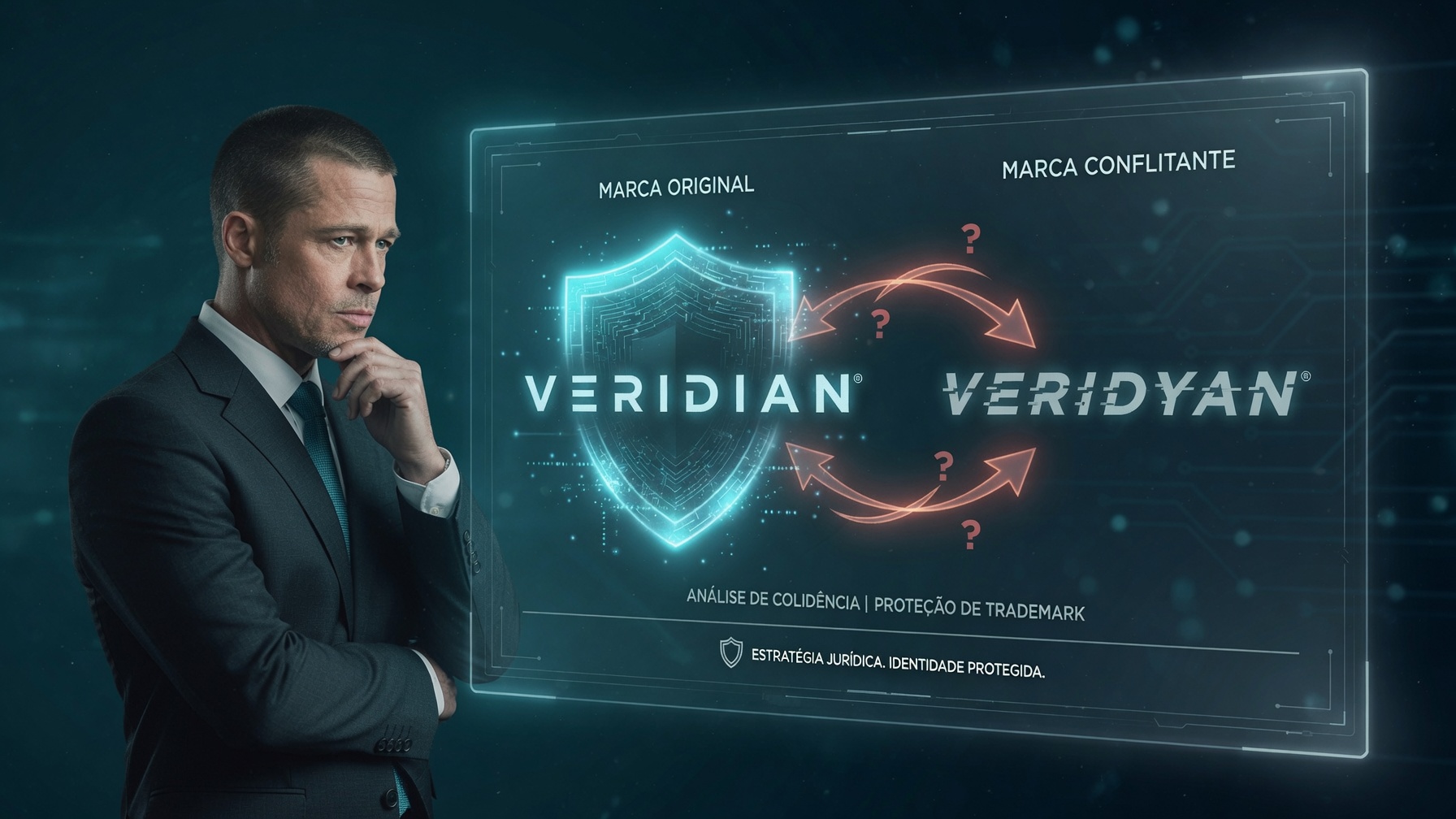
A small men's cosmetics brand from Malibu against a Hollywood celebrity. The Beau D. vs Beau Domaine case — Brad Pitt's skincare brand — is a real example of how trademark disputes can arise where you least expect and hit companies of any size. The accusation is direct: name, typography, design, and online presence similarity generating consumer confusion. In this article, you'll understand what this case teaches about trademark protection, how to avoid your brand being involved in similar disputes, and what to do when someone copies elements of your identity.
What is a trademark and why is it the first line of defense for your brand
A trademark is the formal registration of a brand — name, logo, symbol, or combination of elements — that grants the holder the exclusive right of use in its operating segment. In Brazil, this registration is done with INPI (National Institute of Industrial Property), and internationally, it can be extended through protocols like the Madrid Agreement.
A trademark goes beyond a legal document. It is the foundation that allows a company to legally contest any unauthorized use of its identity — whether in physical products, digital ads, marketplaces, or social media. Without a registered trademark, the brand is exposed and has limited capacity to act against copies, imitations, and market confusion.
The Brad Pitt vs Beau D. case: how a trademark dispute became global news
In May 2026, Beau D. — a small men's beauty brand focused on niche products — sued Beau Domaine, the skincare brand founded by Brad Pitt. The central claim is trademark infringement due to excessive similarity between the two brands.
Conflict points include:
- Commercial name — "Beau D." and "Beau Domaine" share the "Beau" root and phonetic structure, generating direct confusion.
- Typography and visual identity — graphic elements like font, minimalist style, and color palette are notably similar.
- Operating segment — both operate in cosmetics and personal care, amplifying consumer confusion.
- Digital presence — search results, ads, and social media mix the two brands, diverting traffic and customers.
The case is emblematic because it demonstrates that even celebrities with large legal teams can be surprised by trademark disputes — and that small brands have legitimate rights when they register their identity first.
How trademark infringement happens in the digital environment
In the physical world, brand disputes have always existed. But the digital environment multiplied conflict vectors exponentially. Today, trademark infringement can happen in ways unimaginable a decade ago:
- Confusing search results — similar names create overlap in Google's organic and paid results, diverting traffic involuntarily or intentionally.
- Social media profiles and pages — brands with similar names dispute handles, followers, and attention on Instagram, TikTok, and LinkedIn.
- Marketplaces — products from brands with similar names appear side by side, confusing consumers at the time of purchase.
- Domains and SEO — name variations registered as domains (.com, .com.br, .shop) capture traffic that should go to the original brand.
The Beau D. vs Beau Domaine case illustrates exactly this scenario: digital confusion amplifies the trademark conflict beyond the physical product, transforming a local dispute into a global problem.
How to protect your trademark against copies and disputes
Prevention is always cheaper and more effective than remediation. To consistently shield your trademark, follow these practices:
- Register your brand as soon as possible — the first to register the trademark has legal priority. Don't wait to grow to formalize registration at INPI or international bodies.
- Conduct prior search of anteriority — before launching a brand, research if there are similar names already registered in the same segment. This simple step avoids future conflicts.
- Register name variations — protect abbreviated versions, with and without accents, in Portuguese and English. The more variations registered, the smaller the attack surface.
- Monitor the digital use of your brand — monitoring tools identify when third parties use your name, logo, or variations in ads, domains, and social media.
- Document everything from the start — creation date, first commercial use, marketing materials, and domain registrations serve as decisive evidence in trademark disputes.
Common mistakes that put your trademark at risk
Many companies only realize the importance of trademark when they are already in the middle of a dispute. The most frequent mistakes are:
- Not registering the brand formally — using a commercial name without INPI registration leaves the company without the main legal defense tool.
- Ignoring similar brands in the market — detecting a competitor with a similar name and not acting quickly allows confusion to consolidate in the market.
- Focusing only on the name and forgetting visual identity — trademark protects not only the name but also logos, packaging, and visual elements. Registering only the name is partial protection.
- Not monitoring the digital environment — a brand can be registered at INPI but being used improperly on Google Ads, marketplaces, and social media without the holder knowing.
- Underestimating smaller brands — the Brad Pitt case proves that company size doesn't determine who is right. A smaller brand with a registered trademark has full right to contest a larger one.
When to trigger trademark protection: warning signs
Pay attention to situations that indicate your trademark may be being infringed or at imminent risk:
- Consumers confusing your brand with another of similar name on social media or in reviews.
- Unexplained drop in organic or paid traffic of branded terms without internal changes.
- Emergence of products with similar names or packaging on marketplaces like Mercado Livre and Amazon.
- Domains with variations of your name being registered by third parties without your authorization.
- Negative mentions on social media that actually refer to another brand with a similar name.
When identifying any of these signs, quick action is fundamental. The sooner the brand documents and contests the improper use of the trademark, the greater the chances of favorable resolution.
Conclusion
The Brad Pitt vs Beau Domaine case is a powerful reminder: no brand is immune to trademark disputes — regardless of size, fame, or branding investment. Protection starts with formal registration, goes through continuous monitoring of the digital environment, and is completed with agile action in the face of violations. Companies that treat trademark as a strategic asset, and not as bureaucracy, are much better prepared to grow without legal surprises.
Want to ensure your brand's trademark is protected against copies, imitations, and improper use in the digital space? Contact the Branddi team right now via our contact page and discover how we can monitor your brand, identify violations, and shield your identity across all channels.
I want my Branddi diagnosis →
Related articles
-
Why Was Your Takedown Request Denied? 7 Reasons
A takedown request may be denied because evidence, URLs, or the selected channel are incomplete. Learn the seven common reasons and how to correct each case.
-
What to do when someone copies your brand online?
Someone copied your brand? Preserve the evidence, classify the type of copy and use the right intellectual property channel on each platform.
-
Fire Stick piracy causes billion-dollar losses and exposes brands to new risks
A study reveals the hidden risk of Fire Stick piracy: discover how it fuels a scam ecosystem that could exploit your brand.
-
Anatel's anti-piracy action reinforces the urgency of brand protection in Brazil
Anatel's action highlights piracy risks. Learn how to protect your brand with Branddi: technology and intelligence against violations and fraud.
-
Endemic piracy: understanding what Globo Network meant
Understand what endemic piracy is, its impacts on brands, and how to protect your business from practices that threaten value, revenue, and reputation.