Violação de Marca
E-commerce fraud: learn how to protect your brand
branddi · Published on · Updated on
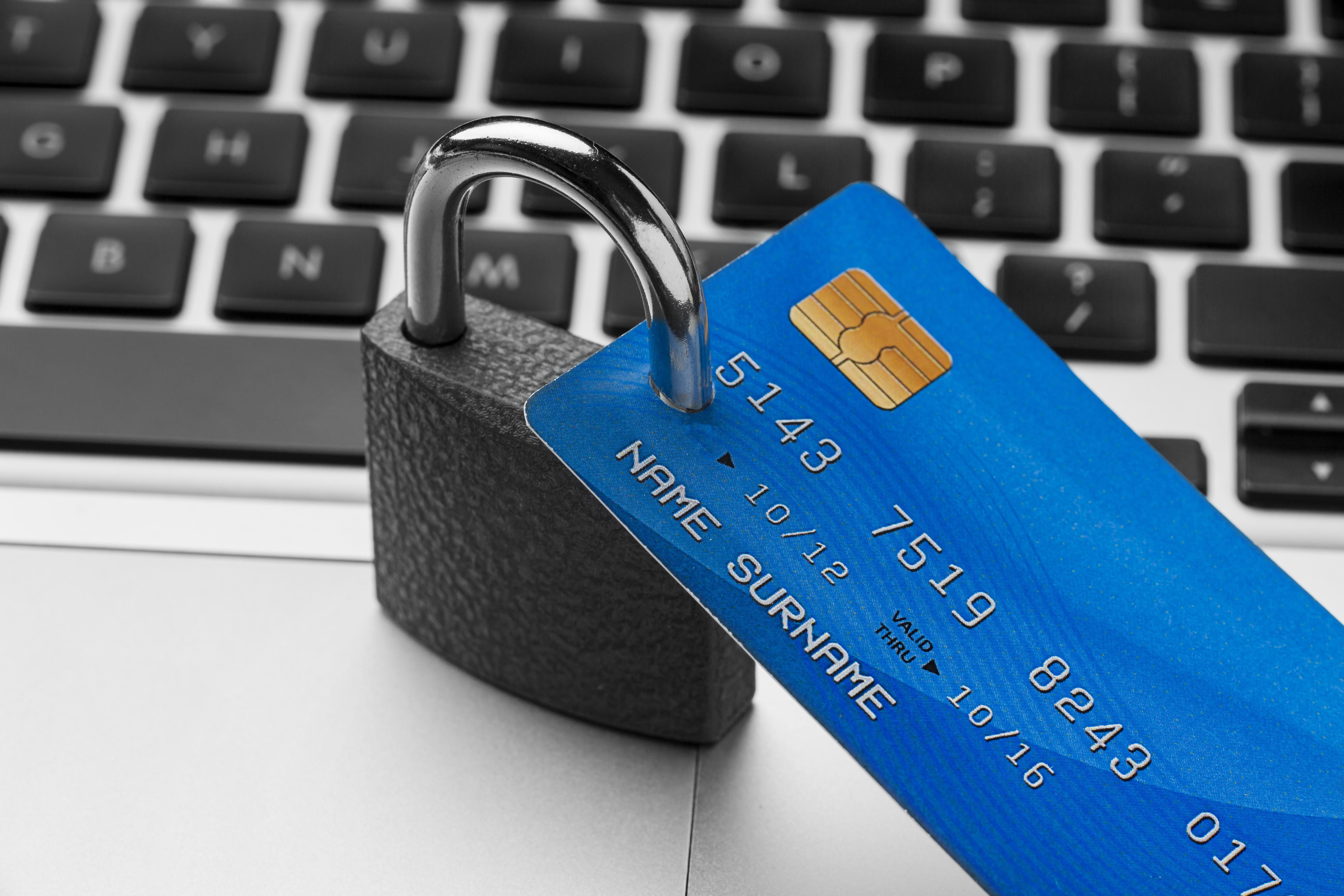
E-commerce fraud represents a growing threat, which goes beyond immediate financial losses: it directly affects your brand's reputation. After all, customers harmed by scams associated with your name are unlikely to maintain trust in your company.
And it is in this context that brand protection becomes a strategic priority for any online business.
Do you want to know how to protect your brand against fraud in e-commerce and avoid irreparable damage? Continue reading and discover some strategies that will help you protect your business!
The popularization of fraud in e-commerce
Brazilian e-commerce faces a growing challenge: fraud. This is what a recent study by Equifax | Boa Vista, which revealed that 4.09% of transactions in 2023 were fraud attempts. This is because consumer trust, once shaken, is difficult to recover.
In other words, brand protection must become a priority for any online business that wants to develop.
Main types of fraud in e-commerce
Protect your brand on e-commerce requires knowing the different types of infractions that can affect your business. After all, each type of scam presents unique challenges and requires specific prevention and combat strategies.
As we have seen, the scenario of fraud in Brazilian e-commerce is worrying and is constantly evolving and despite the decrease in the number of fraud attempts, the average value of each fraudulent order has increased significantly.
Proof of this is that according to data from Exame, the average value of each fraudulent order was R$1,300 in January 2025, an increase of almost 30% compared to the same period in 2024.
Given this scenario, it is essential that you, the entrepreneur, are familiar with the main types of scams that surround e-commerce.
Therefore, in the next sections, we will explore some of the most common and sophisticated modalities. id="">Follow us!
Identity theft
"Identity theft", in the context of your brand, happens when third parties impersonate your company to interact with customers or carry out actions on your behalf. That is, these impostors steal your brand's identity – using your name, logo, communication style and other elements that identify it. Someone creates a fake profile of your company on a social network and starts spreading incorrect information or offering fake products and services. When customers realize they have been deceived, they may become frustrated and contact your company, hoping for a solution, right?
Therefore, if your service is not prepared to deal with this situation, the negative experience may be amplified and shared, tarnishing your brand's image.
Chargeback fraud
Chargeback fraud occurs when a customer makes a legitimate purchase with a credit card, receives the product or service, and subsequently requests the cancellation of the transaction (chargeback) from the card operator, citing a reason such as "I don't recognize the purchase" or "product not delivered".
This practice, when carried out in bad faith, can generate financial losses for e-commerce, in addition to affecting the reputation of your brand.
Imagine that a customer buys a high-value product in your online store, receives it in perfect condition conditions and, after a few days, requests a chargeback, claiming that they did not receive the product. href="https://www.abras.com.br/clipping/tecnologia/114412/e-commerces-tem-consciente-a-perder-com-os-chargebacks" target="_blank" id=""> Sygnifid, e-commerces can lose up to 1% of their annual revenue due to fraudulent chargebacks.
Phishing
Phishing is an online attack technique in which fraudsters disguise themselves as trusted companies or people to trick users or obtain confidential information.
In the context of e-commerce, phishing can be used to divert organic traffic and steal conversions from your brand.
That is, instead of attacking directly to customers, fraudsters create fake pages and emails that resemble those of your company, with the aim of tricking search engines and attracting potential customers to fraudulent sites.
By optimizing this fake page for the same search terms you use, they can get it to appear in the results before your official page.
This way, customers who are searching for your products may end up being directed to the fake page, where they are induced to make purchases or provide information that benefits the fraudster, diverting sales and damaging your brand's performance in search engines.
Deliberate fraud
Deliberate fraud, also known as internal fraud, occurs when employees or partners of a company take advantage of their position to commit fraud for their own benefit or that of third parties.
In e-commerce, deliberate fraud can take different forms, such as embezzling goods, manipulating customer data, creating false accounts to make fraudulent purchases and leaking confidential information to competitors.
Imagine that a partner of your company has access to all your customers' data and decides to sell it to a company competitor.
This attitude, in addition to being illegal, can cause irreparable damage to your brand, compromising the trust of your customers and opening up space for legal action.
How can fraud in e-commerce affect your brand?
One fact does not change in e-commerce: customers who are victims of scams associated with your name, even if your company is not directly responsible, tend to lose trust in your brand.
And this loss of trust manifests itself in several ways: a decrease in the number of loyal customers, an increase in complaints on social media, negative reviews on review sites and, consequently, a drop in sales. After all, a brand with a tarnished reputation has more difficulty attracting new customers and retaining old ones.
In fact, these are just some of the problems that e-commerce fraud can cause. Just look at the main ones:
Loss of consumer trust
Trust is vital for the brand, but scams, even without direct fault, undermine it, associating it with the negative experience. After all, injured consumers lose faith in the brand's security.
In e-commerce, this trust is even more essential, considering that 47% of Brazilians make basic grocery purchases online (Neogrid), showing the importance of this protection in the digital environment.
A customer who clicks on a fake advertisement for your brand, makes a purchase, but does not receive the product or receives a counterfeit, loses trust. In other words, even if you know you didn't buy directly from your store, the negative experience will make you think twice before buying again. the brand's reputation. All these issues together have an impact on increased operational costs.
However, that's not all: after all, in addition to the direct loss of sales due to fraud, there is the indirect impact of loss of trust, which affects future sales.
That is, minimizing cases of fraud is, therefore, a financial priority.
Damage to the brand image
Online reputation is built over time, but fraud can quickly destroy it. This is because the dissemination of negative information, such as reports of scams, tarnishes the brand's image, driving away customers.
The combination of victim reports and warnings associates the brand with insecurity, generating distrust.
For example, if a deceived customer shares their experience on social media, tagging the brand, the post gains negative repercussions. Then, other users share similar experiences, warning about the risks.
As a result, the company's image becomes associated with scams, harming the attraction of new customers.
Loss of traffic and conversions
Distrust and negative reputation reduce traffic to the website and conversions.
Potential customers avoid the online store for fear of scams, and those injured do not return. In other words, even with marketing automation, these scams undermine the effectiveness of your actions.
Furthermore, if a customer does not trust the brand, they will not click on ads or visit the website. This is why, after the disclosure of a scam, the website's organic traffic decreases drastically, campaigns lose effectiveness and the conversion rate drops. w-richtext-align-fullwidth" style="max-width:922px" data-rt-type="image" data-rt-align="fullwidth" data-rt-max-width="922px">The customer experience goes beyond purchasing, encompassing brand perception and browsing safety.
And fraud negatively impacts this experience, generating frustration. A survey carried out by Microsoft mapped that 96% of consumers consider service a differentiating factor for loyalty.
That is, if a customer feels unsafe on the website, has difficulty getting in touch or does not receive assistance after a scam, the experience with the brand is harmed. Therefore, prioritizing the customer experience is essential to ensure loyalty and long-term success.
Legal and contractual consequences
Fraud can generate legal liabilities, such as lawsuits filed by injured customers, in addition to affecting contracts with suppliers. Furthermore, the company may be held responsible for security breaches or lack of incentives for prevention.
In other words, if a group of customers takes legal action, alleging negligence, the company bears legal costs.
Reputation can also affect contracts with suppliers and partners. And that is why investing in digital protection and prevention is crucial to avoiding legal problems and maintaining the trust of business partners.
Increased vulnerability to future attacks
A brand that suffers from fraud becomes more vulnerable to new attacks, as offenders exploit the fragility of its security. For example, after a phishing attack, the hijacked information is used to create fake websites and social media profiles, offering fake promotions.
In these cases, constant surveillance, like the one we offer at Branddi, and quick response are essential to mitigate damage and protect the brand.
How to protect your brand against fraud in e-commerce?
After understanding the serious impacts that these cases can cause to your brand, the question that arises is: how to protect yourself? of their customers.
And this is a growing trend: today, 62% of Brazilian companies want to increase investments in fraud prevention, according to <a href = Now is the time to act and protect your business. Here's how:
Monitor suspicious transactions
With e-commerce fraud projected to surpass $343 billion by 2027, according to "The State of Fraud and Abuse 2024" report, monitoring suspicious transactions is critical.
But instead of just focusing on suspicious financial transactions, focus on monitoring signs that indicate your brand may be being imitated online. This includes:
- URL Variations:Be on the lookout for URLs that resemble your online store's URL but contain minor changes or spelling errors. These URLs could be being used to create fake pages that impersonate your business;
- Drop in conversions: A sudden decrease in conversion rates could indicate that customers are being diverted to fraudulent pages that imitate your brand;
- Increase in complaints: An increase in complaints about counterfeit products, improper charges or misleading information could be a sign that your brand is being misused by third parties;
- Negative mentions on social media: monitor social media for negative mentions of your brand that could be related to bad experiences with fake pages or profiles;
- Unusual traffic: analyze your website's traffic data for sudden spikes or drops, which could indicate the presence of bots or traffic directed to fake pages.
By monitoring these warning signs, you can quickly identify cases of imitation of your brand and take the necessary measures to protect your reputation and your customers.
Evaluate the reputation of partners
The security of your e-commerce depends not only on your internal practices, but also on the reliability of your partners.
Eng Therefore, evaluate the reputation of your logistics partners and the platforms you use, checking whether they have robust protection measures and a history of combating fraud. unnecessary.
Invest in an anti-fraud system
Given the growing sophistication of brand imitation, driven by advanced techniques, protecting your online presence has become essential.
That's why Branddi offers a complete solution to monitor and protect your brand in the digital environment.
To do this, we use advanced technologies to analyze your online presence in real time, identify patterns of misuse of your brand and alert you to possible imitations.
Our system monitors everything from URLs similar to yours to the misuse of your logo on fake profiles on social networks.
With Branddi, you can anticipate attempts to imitate your brand, protect your reputation and ensure that your customers only interact with communication channels legitimate.
Understand more about our actions in the next topic!
Count on Branddi to eliminate fraud in e-commerce!
Branddi offers a complete solution to protect your brand against fraud in e-commerce. To achieve this, we constantly monitor all digital platforms, identifying suspicious activities and removing fraudulent content quickly and efficiently. digital.
Protect your brand right now: visit our website and discover how we can help you eliminate fraud in e-commerce with our shield marketing!
Related articles
-
Why Was Your Takedown Request Denied? 7 Reasons
A takedown request may be denied because evidence, URLs, or the selected channel are incomplete. Learn the seven common reasons and how to correct each case.
-
What to do when someone copies your brand online?
Someone copied your brand? Preserve the evidence, classify the type of copy and use the right intellectual property channel on each platform.
-
Trademark Infringement: What the Brad Pitt vs Beau Domaine Case Teaches About Brand Protection
The Beau D. vs Beau Domaine (Brad Pitt) case shows how trademark disputes affect brands of any size and how to shield your identity in the digital space.
-
Fire Stick piracy causes billion-dollar losses and exposes brands to new risks
A study reveals the hidden risk of Fire Stick piracy: discover how it fuels a scam ecosystem that could exploit your brand.
-
Anatel's anti-piracy action reinforces the urgency of brand protection in Brazil
Anatel's action highlights piracy risks. Learn how to protect your brand with Branddi: technology and intelligence against violations and fraud.