Geral
Propaganda enganosa? Como proteger sua marca e consumidores
BranddiIP Team · Published on · Updated on
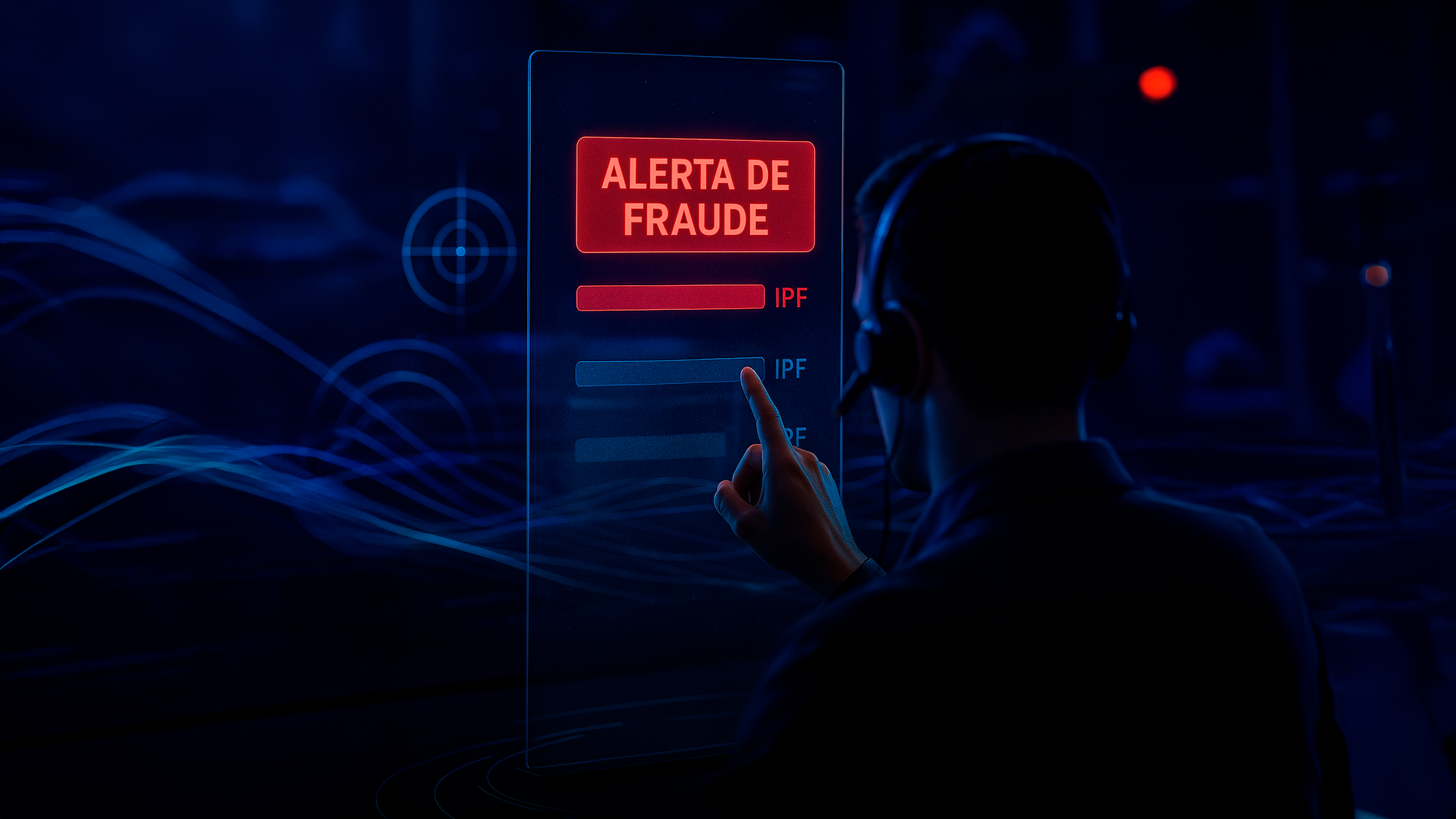
The volume of false advertising reports has grown in Brazil, following the expansion of online shopping and the growth of digital campaigns on dates such as Black Friday, Christmas and Consumer Day.
According to the study CX Trends 2025, released by Octadesk in partnership with Opinion Box, 24% of consumers pointed out “false advertising” as one of the main problems faced in their shopping experiences.
The effects of this practice spread to both consumers and brands, which are exposed to lawsuits, image damage and the flight of the most loyal customers.
The good news is that there are strategies to prevent your brand from being associated with this problem, in addition to protecting consumers against abusive practices. Check it out and clear your doubts!
What is false advertising? distorted or incomplete, capable of misleading the consumer. The main characteristics that can define misleading advertising areFalseness, when it conveys something that does not correspond to reality;Exaggerated, when it promises impossible effects or results;Omission, when it fails to present essential information for the purchase;Confusing, when it presents data to make it difficult understanding.Legitimate vs. legitimate promotion trap: how to differentiate real campaigns from scams?
There are subtle signs hidden in communication that betray fraud. If you learn to identify these signs, you will always be one step ahead of scammers:
Evaluate brand reputation
Scammers use similar domains andnames similar to those of large companies to generate instant trust. There have been cases in Brazil where scammers created fake pages imitating the Casas Bahia identity during Black Friday. The ads directed the consumer to a website with a similar domain, but different from the official one.
Analyze the value of the discount
Every promotion hasrational limits. If a product is sold on the market for R$2,000 and appears in an advertisement for just R$400, the difference is unlikely to be supported by real discount policies. Well-known payment platforms (Mercado Pago, PayPal and PagSeguro) are also signs that the operation is serious. and is classified as false advertising, the negative effects affect those who buy and those who sell.
Check out the main impacts for the consumer below:
- Financial loss, as the customer pays for something that does not correspond to what was promised;
- Frustration, as the purchasing experience turns into disappointment;
- Break of trust, making the consumer more resistant to new offers.
Individual effects of false advertising turn into bigger waves when we analyze the companies' side. A short-term action can generate lasting damage to the brand's imageand the relationship with the market.
See now the impacts for brands:
- Fines, administrative processes and legal actions from injured consumers;
- Damage to image, as misleading campaigns tend to go viral;
- Loss of loyal customers, who are unlikely to return to consume after feeling betrayed.
What are good prevention practices?
There are already good practices for brand protection to prevent your brand from being the target of digital fraud and, at the same time, prevent the company itself from creating misleading campaigns.
Making each advertisement impossible to be misinterpreted
Deceptive advertising is born, many sometimes due to a lack of precision. If in doubt, submit campaign materials to ajoint review between marketing and legalprior to placement.
Implement monitoring against fraud and misuse
Scammers know that the name of a big brand generates instant trust. The solution is to act proactively: monitor the internet and nip fraud in the bud. Tools like Branddi do the heavy lifting of identifying suspicious mentions and fake domains.
Structure compliance policies
Compliance is the regulatory basis that ensures that no company communication exceeds legal limits. It works as a preventive barrier: every piece of advertising goes through internal criteria before reaching the market.
Did you like the tips? It is clear that false advertising is not only a risk for the consumer, it is a direct attack on brand reputation. The best form of protection always starts with transparency in communication and monitoring of the digital environment.
Do you want to know the most advanced digital protection for companies? Follow Branddi on social media. We are on Instagram and LinkedIn!
Related articles
-
Ranking 2025: os golpes online mais comuns no Brasil
Perfis falsos, sites clonados e anúncios fraudulentos: veja o Ranking 2025 dos golpes digitais mais comuns e os riscos para sua marca.
-
A IA agora vende por você? Entenda o que está por trás do UCP do Google
O Google lançou o UCP e iniciou uma nova fase do e-commerce. Entenda os impactos da IA na jornada de compra.
-
Depois do clique: como proteger sua marca quando as LLMs decidem por você
Consumidores usam LLMs para validar compras mesmo após acessar seu site. A IA pode citar concorrentes ou golpes. Blindagem digital é urgente.
-
Depois do clique: como proteger sua marca quando as LLMs decidem por você
Consumidores usam LLMs para validar compras mesmo após acessar seu site. A IA pode citar concorrentes ou golpes. Blindagem digital é urgente.
-
O topo do funil saiu do seu controle: como IAs estão decidindo o que o consumidor vê primeiro
O topo do funil de vendas agora é mediado por inteligência artificial. Saiba como isso afeta a visibilidade das marcas e como retomar o controle!