
Building a strong brand positioning is one of the pillars for the success of any business. After all, that's what sets you apart from the competition and connects you with your ideal audience, right?
But in a digital world where reputation can be instantly shaken, how do you ensure that the image you worked so hard to build isn't distorted or exploited?
The answer lies in the digital protection of your brand. This is because a well-defined positioning can easily be compromised by scammers who take advantage of your image to deceive customers, divert traffic, and even sell counterfeit products. The relationship between brand positioning and digital protection is therefore intrinsic and inseparable, in other words, a strong positioning requires robust protection, and vice versa.
Do you want to understand how this strategy helps to protect your brand positioning in the digital environment? Read on and find out!
What is brand positioning?
Briefly, we can say that brand positioning is the art and science of creating a unique and desirable perception of your brand in the minds of your target audience. That is, it goes far beyond simply defining what you sell: it is about shaping how consumers think and feel about your company, your products or your services.
In other words, it is the space you conquer in the market, differentiating yourself from the competition and creating a lasting connection with your customers.
Effective positioning answers the following questions in the consumer's mind:
- What is this brand? What is its essence and purpose? ;
- What does it offer? What are your products/services and their benefits? ;
- Who is she for? What is the ideal target audience? ;
- Why should I choose this brand over others? What is your unique value proposition?.
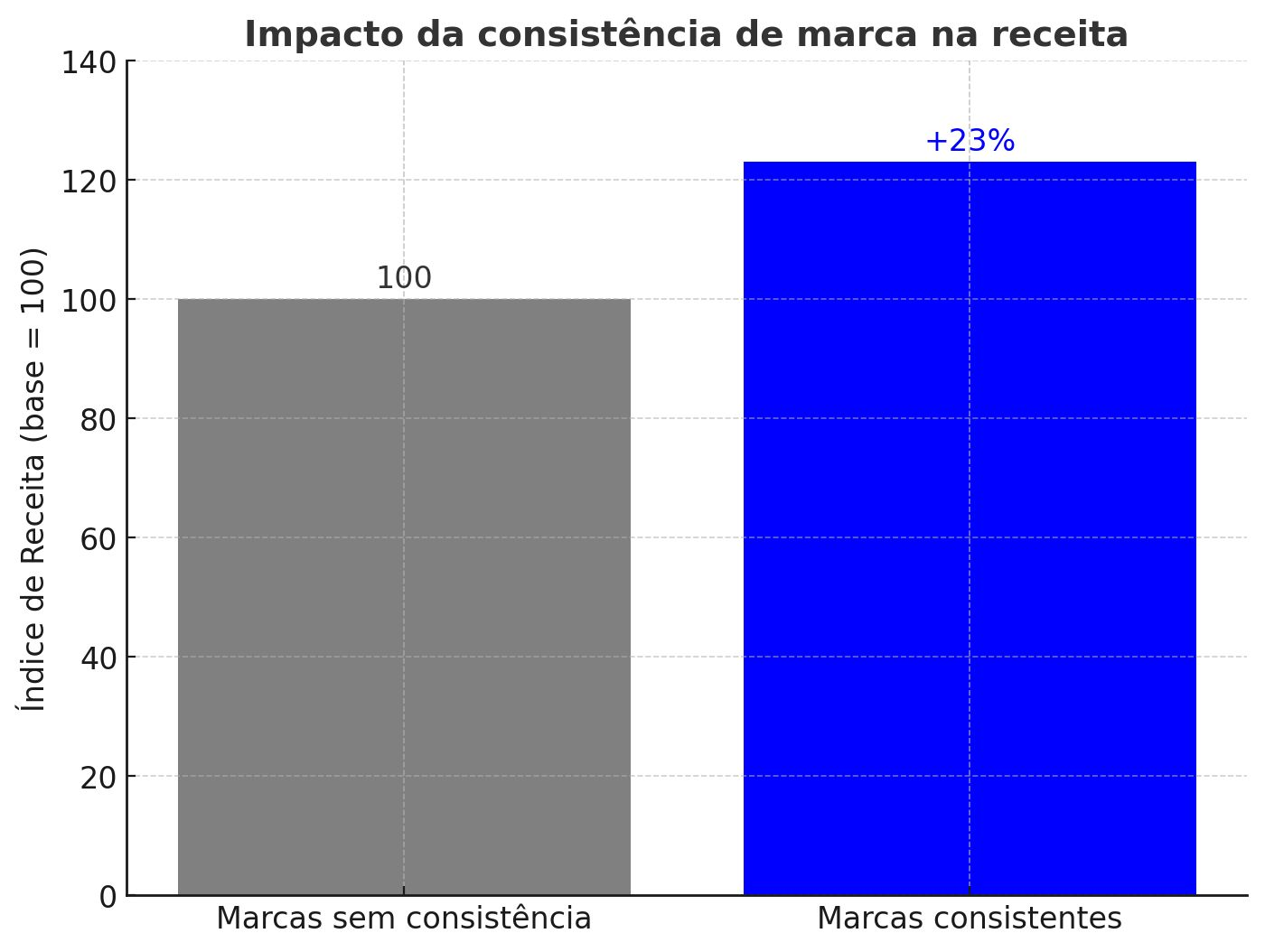
A well-defined position attracts the right audience, builds customer loyalty, strengthens brand reputation and ultimately drives business growth. Proof of this, a Forbes survey cited by Medium & Message revealed that having a consistent brand across all platforms can increase revenue by 23%.
This data demonstrates the direct impact of a well-designed position on the profitability of your business.
What are the elements of brand positioning?
Understanding what positioning is is the first step, but how do you put it into practice?
Essentially, effective brand positioning relies on some interconnected elements:
- In-depth knowledge of the public: more than demographic data, it is necessary to understand the needs, desires and pains of your target audience;
- Strategic differentiation: identify and communicate your differentials in a clear and relevant way, showing what makes you the best option;
- Compelling value proposition: articulate the benefits that your customers obtain when choosing your brand, going beyond the characteristics of the product/service;
- Authentic brand identity: develop a personality that resonates with your audience, transmitting your values and purposes in a genuine way;
- Consistent communication: ensure that all points of contact with the customer (website, social networks, service, etc.) reflect the same positioning.
Thus, by integrating these elements strategically, you will be building a solid foundation for a lasting brand positioning.
What is the importance of brand positioning for digital presence?

Your brand is already present in the digital world - the question is: how is it being viewed? This is where brand positioning becomes essential. After all, a well-defined positioning helps you build a strong identity in the digital environment, attract the right customers and build their loyalty.
In a market where authenticity is increasingly valued, data from WiFiTalents reveal that 73% of consumers consider this factor to be a key factor in their purchasing decisions.
In other words, being genuine, transparent, and consistent with your brand positioning is the way to gain the trust of the online public. That's because your digital presence is your brand's showcase, but also a minefield, where unfair competitors and scammers can compromise your image.
So how do you ensure that your position is preserved in the midst of this scenario? Read on and find out!
Differentiation in a saturated market
The internet is a vast and overcrowded space, where thousands of brands compete for the attention of the same audience.
In this scenario, a well-defined brand positioning is the key to standing out and avoiding being just another fish in the ocean. After all, by communicating your values, your unique value proposition, and your personality clearly and consistently, you create an identity that resonates with your target audience and sets them apart from the competition.
This may involve focusing on a specific niche, offering an innovative product/service, or simply building a brand that people identify with.
Attracting the right audience
It's no use having thousands of visitors on your site if most of them aren't interested in what you have to offer, is it?
A strategic brand positioning allows you to attract the right audience, that is, those people who are most likely to become your customers.
Thus, by clearly defining who you are, what you do, and who you do it for, you can segment your communication and direct your marketing efforts to the channels and messages that resonate with your target audience.
This results in more qualified traffic, an increase in conversion rates, and a better return on marketing investment.
Strengthens authority and trust
In the digital world, where information is abundant and misinformation spreads rapidly, building a solid reputation is more important than ever.
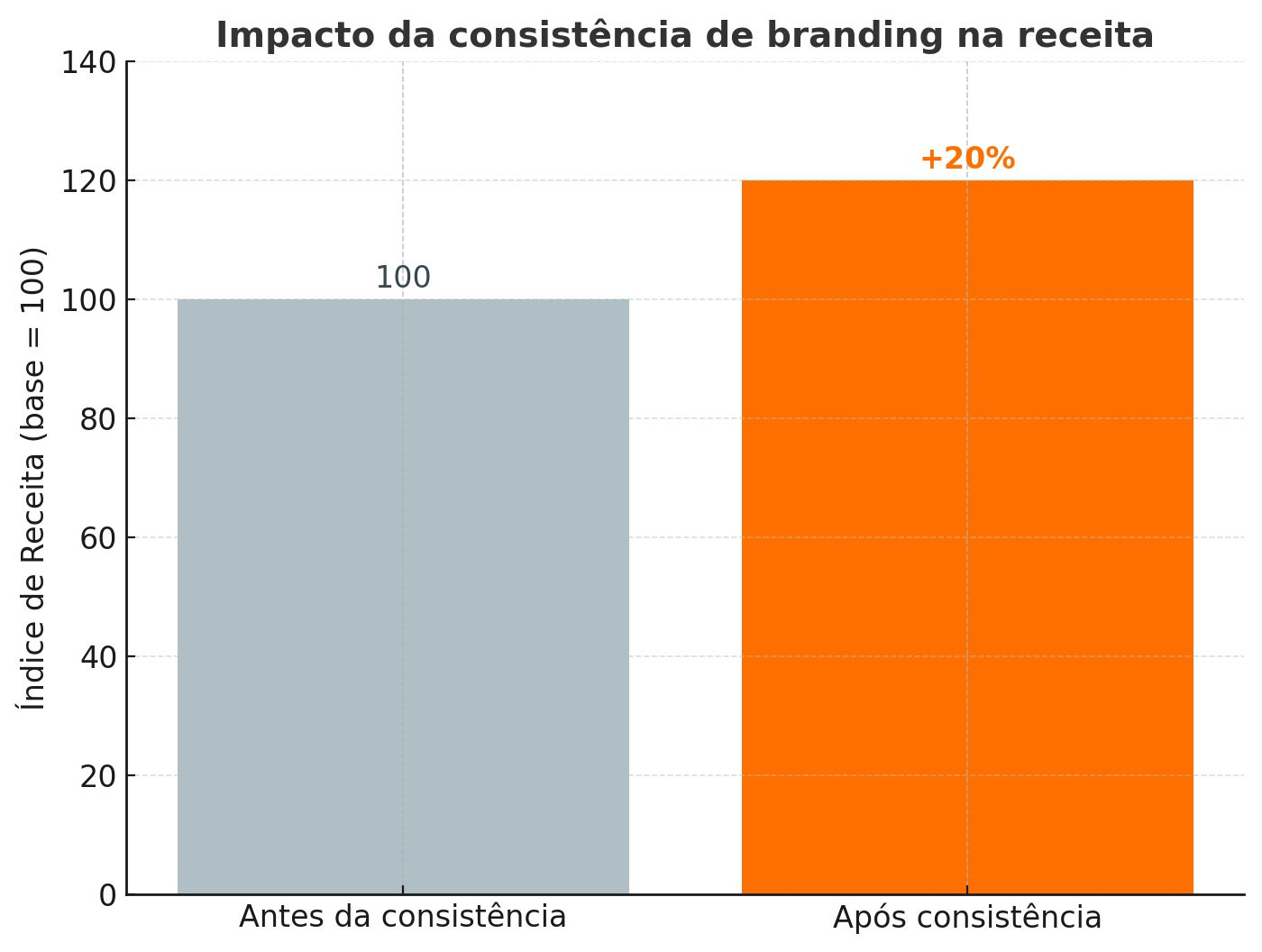
A consistent brand positioning transmits professionalism, credibility, and reliability, strengthening your Authority in the market and building consumer trust. And trust is critical to long-term success.
Data from Salesforce show that, once a brand is consistent in its branding efforts, it can witness an increase in revenues of up to 20%.
In other words, investing in an authentic and transparent brand positioning is not just a matter of image, but rather an essential strategy to increase conversion and retain customers.
How do digital threats threaten your brand positioning?
As we've seen, building a solid brand positioning is hard and continuous work. But in the digital environment, this construction can easily be sabotaged by a series of threats that can compromise your image, your reputation, and your profitability.
Unfair competitors, scammers, and impersonators are constantly on the prowl, seeking to take advantage of their success to gain undue advantages. And your actions can distort your audience's perception, divert qualified traffic, and even harm your credibility.
And what are the main digital threats that could compromise your brand positioning? Read on and find out!
Fake sites and cloned profiles confuse consumers
The proliferation of fake sites and cloned profiles is one of the biggest threats to brand positioning in the digital environment. That's because these sites and profiles mimic your brand's visual identity and content to mislead consumers into believing that they're interacting with your company.
This may result in strokes, data theft, and negative experiences that tarnish your brand's reputation.
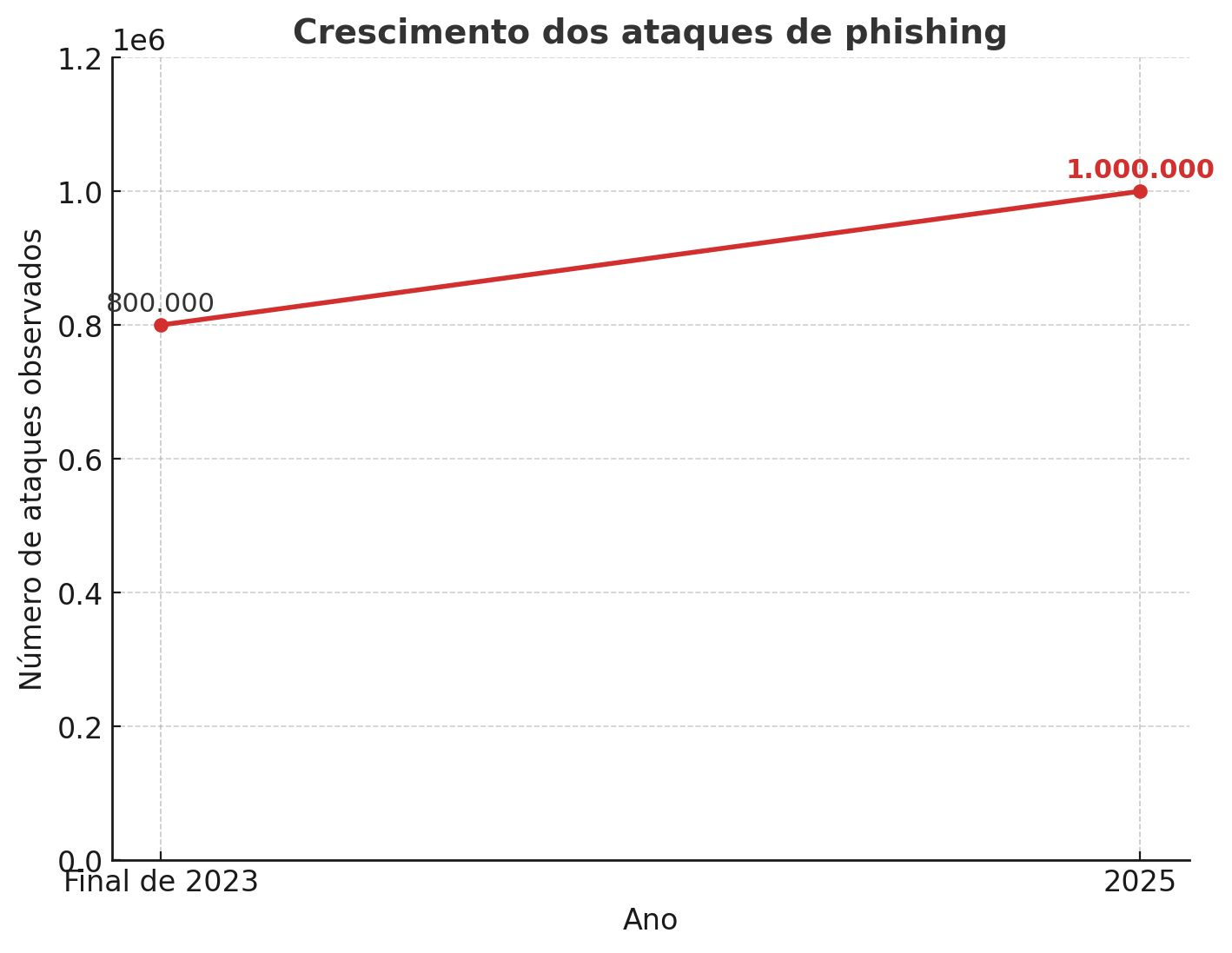
According to Anti-Phishing Working Group (APWG), more than 1 million phishing attacks were observed in 2025, the highest number since the end of 2023.
These attacks, often originating on fake sites, demonstrate how vulnerable brands are to this type of threat.
Brand infringement affects credibility
When competitors or third parties misuse your brand (in advertisements, products, content, etc.), they are actually undermining your credibility with the public.
This trademark violation can lead consumers to question the authenticity of their products/services, the quality of their service, and even their suitability.
The result is a loss of trust that can be difficult to regain.
Brand misuse (piracy and unfair competition) dilutes positioning
Piracy and unfair competition pose serious threats to the integrity of your brand positioning. This is because, when counterfeit products invade the market, for example, they not only divert sales, but also compromise the perception of quality associated with your brand.
Consumers misled by counterfeits may have a negative experience, associating this disappointment with their original brand, even if it has no connection with the counterfeit product.
Likewise, unfair competition, which is manifested in practices such as the copying of marketing campaigns, the misuse of your brand's keywords in advertisements, and the dissemination of false information, undermines your ability to differentiate yourself and build an authentic image.
These actions confuse the public, dilute your message, and impair your ability to attract and retain customers.
Remember: in a scenario of fierce competition, protect your brand against misuse is essential to preserve your position and ensure long-term success.
Increase in public complaints damages the image
Customer complaints are inevitable, but a sudden increase in the number of public complaints (on social networks, review sites, etc.) may be a sign that something is wrong with your brand positioning.
These complaints may be the result of negative experiences with fake sites, pirated products, or inadequate service from unfair competitors.
Drop in traffic and digital authority
Digital threats can also affect your traffic and your digital authority. After all, fake sites and cloned profiles can divert traffic from your official site, affecting your ranking in search results.
In addition, the spread of false information and brand infringement can undermine your online reputation, reducing your digital authority and making it difficult to attract new customers.
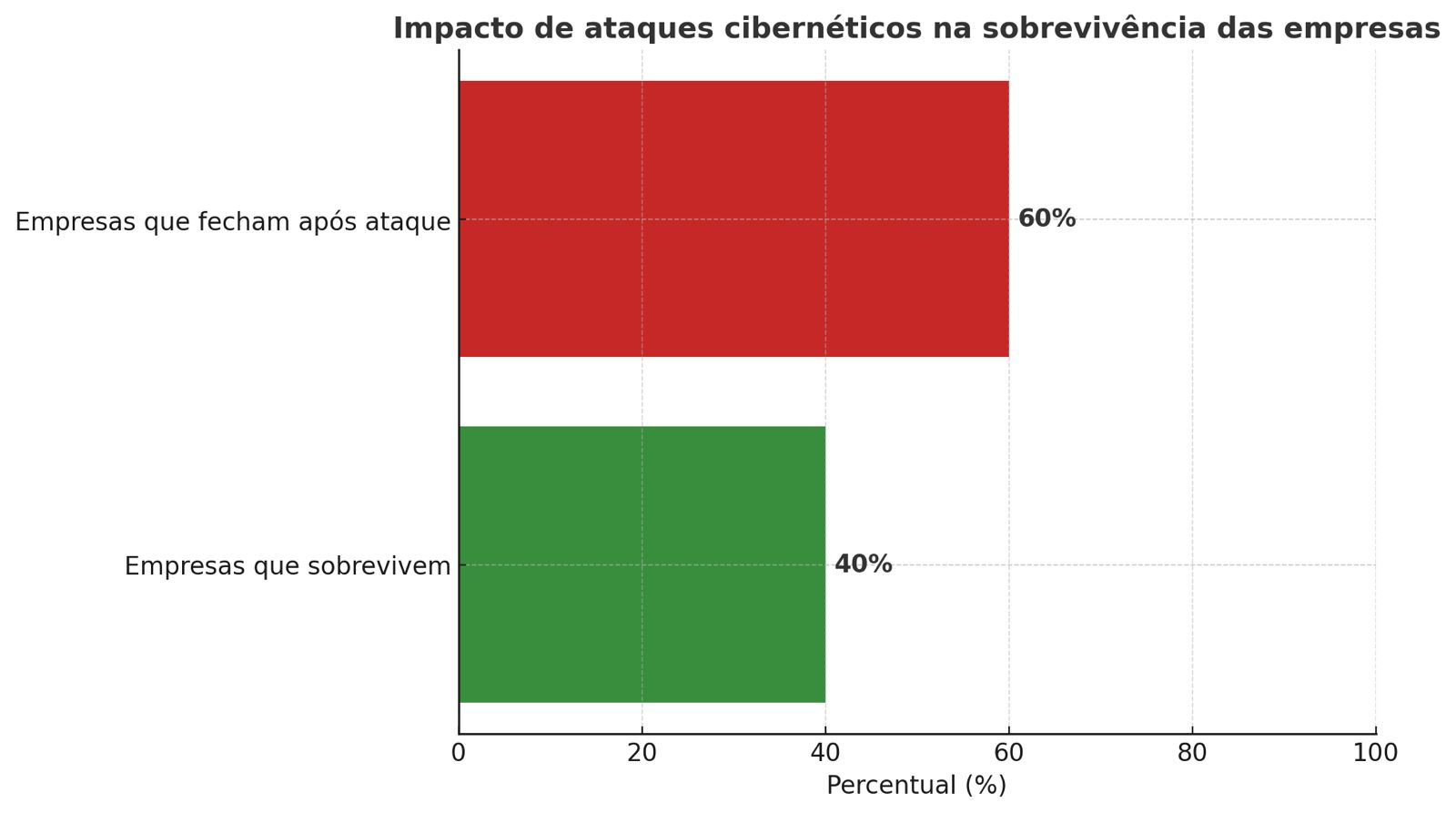
A GLMtec, an information security specialist, warns that 60% of companies close after a digital attack, which demonstrates the devastating impact of these threats not only on traffic and authority, but on the very survival of the business.
How to protect your brand positioning online?
Now that you know how digital threats can harm your brand positioning, it's time to take action. The good news is that there are several steps you can take to protect your image, your reputation, and your profitability in the digital environment.
From constantly monitoring your brand to removing fake content and implementing proactive protection strategies, you can build an impenetrable barrier against unfair competitors, scammers, and impersonators.
But what are the best practices for protecting your brand positioning online? Read on and discover how to protect your company against digital threats!
Monitor your entire digital presence
The first line of defense against digital threats is the constant monitoring of your online presence.
This means closely monitoring everything that is said about your brand on the internet: mentions on social networks, comments on blogs, reviews on review sites, registrations of domains similar to yours, advertisements that use your brand, and much more.
Thus, by monitoring your digital presence, you can quickly identify any suspicious activity or brand violation and take appropriate measures to protect your positioning.
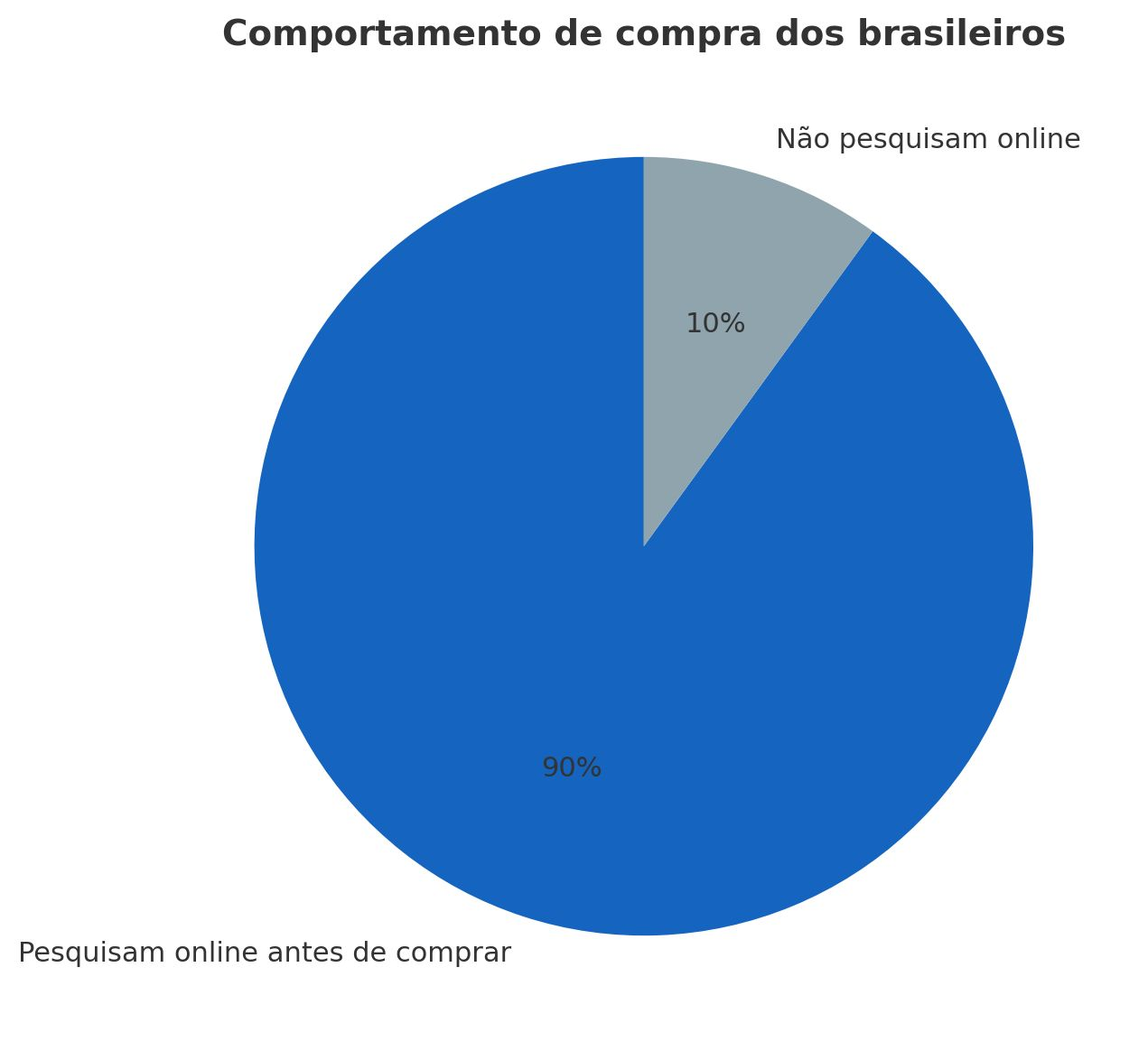
Did you know that, according to data from PEGN, do nine out of ten Brazilians search online before buying? This only demonstrates and reinforces that your digital reputation is a decisive factor for the success of your business!
Have a clear brand usage policy for partners and resellers
If you work with partners and resellers, it is essential to have a clear and well-defined brand usage policy. And this policy must establish the rules for the use of your brand in marketing materials, advertisements, websites, and other communication channels, ensuring that your image is always represented correctly and consistently.
By providing clear guidelines and overseeing their compliance, you prevent partners and resellers from compromising your brand positioning.
Act quickly against violations
When identifying a trademark infringement (a fake site, a misleading advertisement, a counterfeit product, or any other form of misuse), it's critical to act quickly to remove the infringing content and prevent it from causing further damage to your image.
This may involve sending extrajudicial notifications, submitting complaints to online platforms and, in more serious cases, filing lawsuits.
Remember that quick response is essential to minimize losses and demonstrate that you don't tolerate the misuse of your brand.
Count on technology
Manually monitoring digital presence and acting against brand infringements can be complex and time-consuming tasks.
Fortunately, there are several tools and technologies that can help you automate these processes and protect your brand positioning more efficiently.
Here at Branddi, for example, we offer complete solutions for monitoring, detecting and removing infringing content, which allow you to shield your brand against digital threats and focus on growing your business.
It's time to react and protect your brand positioning with Branddi!
After understanding the importance of brand positioning and the risks that digital threats pose, it's time to act. Don't expect your image to be compromised or for your customers to be deceived by scammers!
With Branddi, you have access to a complete solution to monitor, detect and remove infringing content, protect your brand against unfair competition, and ensure that your positioning is preserved in the digital environment.
Branddi already protects more than 300 brands around the world, offering 24/7 monitoring with dedicated specialists and acting from monitoring to removing content.
Don't let your brand building effort be in vain: visit our site to learn more about our solutions and talk to an expert to find out how we can help you shield your brand positioning with intelligent digital protection!




Pronto para blindar sua marca?
Não deixe seus clientes caírem nas garras de concorrentes, golpistas e aproveitadores.