Violação de Marca
Brand violation on marketplaces: how to protect your brand?
branddi · Published on · Updated on
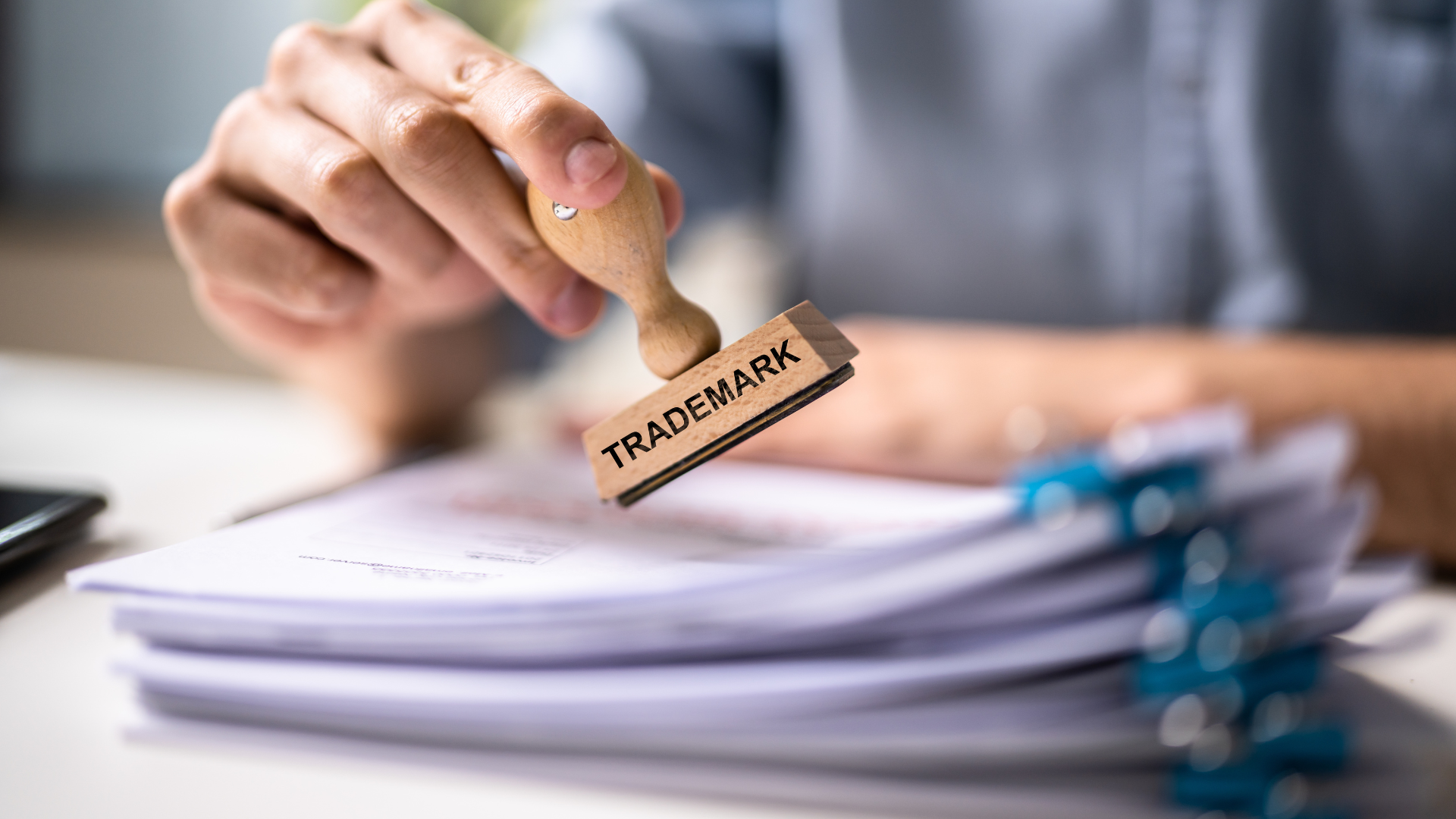
The expansion of e-commerce has brought a major challenge for brands: the growing brand infringement on marketplaces. This practice, which includes the sale of counterfeit products and the misuse of images, is capable of damaging reputation, revenue and consumer trust.
And it is in this context that Branddi presents itself as an essential ally, offering effective solutions to identify, monitor and remove any type of brand infringement on marketplaces.
Want to know more about how to protect your brand and your customers? Continue reading and discover the best strategies and tools to keep your brand safe on marketplaces!
The popularization of marketplaces
Marketplaces have become essential destinations for online shopping, transforming the way brands and consumers connect.
This rise represents a great opportunity for brands to expand their reach and boost their sales, attracting consumers through practicality and variety. by ChannelEngine and Sapio Research, published by Meio&Mensagem, which states that 63% of consumers prefer to buy on marketplaces than directly on brands' websites, highlighting the importance of these channels in the purchasing decision process.
In this context popularization, the presence of brands on marketplaces is essential to increase visibility and boost sales. However, this presence also requires care, as brand infringement on marketplaces becomes a growing risk.
In other words, brands need to be attentive and protect their products and their reputation in this increasingly competitive environment.
Why do companies invest in marketplaces?
The decision to invest in marketplaces is strategic, as companies recognize the numerous advantages that these channels offer to expand their business. Afinal, eles permitem que a marca aproveite a grande audiência dessas plataformas, impulsionando a visibilidade e o reconhecimento de produtos.
Resumidamente, as principais vantagens para as empresas incluem:
- Acesso a um público amplo e diversificado: os marketplaces permitem alcançar consumidores que talvez não encontrariam seus produtos por outros canais;
- Experiência de compra conveniente e intuitiva: marketplaces incentivam os consumidores a explorar novos produtos e marcas;
- Otimização de custos: a infraestrutura completa para o comércio eletrônico reduz a necessidade de grandes investimentos em sistemas próprios;
- Oportunidade para testar novos produtos: os marketplaces oferecem um ambiente ideal para coletar feedback dos consumidores de forma rápida e eficiente;
- Aumento da visibilidade e potencial de vendas: ao estar presente onde os consumidores estão, as marcas aumentam suas chances de sucesso.
Um dado que demonstra a importância dos marketplaces é a projeção da eMarketer, que estima que as vendas globais de e-commerce atingirão US$6.8 trilhões em 2025, com os marketplaces sendo um dos principais motores desse crescimento.
Este dado reflete o potencial de crescimento que esses canais oferecem para empresas de todos os segmentos.
Isso porque as marcas que investem em marketplaces não apenas aumentam suas vendas, mas também fortalecem sua presença digital, constroem relacionamentos com os clientes e se mantêm competitivas em um mercado cada vez mais dinâmico e exigente.
No entanto, é importante lembrar que, junto com as oportunidades, também surgem os riscos, como a violação de marca em marketplaces.
Quais são as possíveis violações de marca em marketplaces?
As violações de marca podem assumir diferentes formas, desde a simples cópia de produtos até a venda de itens falsificados, causando prejuízos financeiros e de reputação para as empresas.
Nesse sentido, é fundamental que as marcas conheçam esses riscos e estejam preparadas para enfrentá-los, e o primeiro passo para uma proteção eficaz, é conhecer as diferentes formas de violação de marca em marketplaces
A seguir, vamos explorar as principais categorias de violação que afetam as marcas nesse ambiente:
Usos não autorizados
Uma das formas mais comuns de violação de marca em marketplaces é o uso não autorizado de elementos distintivos de uma marca.
Isso inclui o uso indevido de logos, nomes, imagens, slogans, e outros sinais de identidade visual, que são utilizados por terceiros para atrair consumidores e se aproveitar da reputação de uma marca já estabelecida, causando violação em marketplace de forma oportunista.
Essa prática enganosa pode levar os consumidores a confundirem produtos de baixa qualidade com os originais, o que prejudica diretamente a credibilidade e a imagem da marca.
Prova disso, é que segundo um relatório da World Trademark Review, publicado na Wipo Magazine, cerca de 60% das violações de marca identificadas em marketplaces envolvem o uso não autorizado de logos e marcas registradas.
Falsificações e pirataria
A falsificação e a pirataria são ameaças graves e recorrentes no mundo dos marketplaces. After all, counterfeit products, often of low quality and produced illegally, are sold as if they were original, deceiving consumers and harming brands. href="https://www.metropoles.com/brasil/pirataria-prejuizos-em-impostos-com-mercado-ilegal-superam-r-400-bi" target="_blank" id="">Metrópoles.
This piracy causes a huge financial loss, in addition to damaging the reputation of brands and impacting consumers who receive a product that does not correspond expectations.
Plagiarism
Plagiarism, which consists of copying intellectual creations, such as product descriptions, marketing texts and other creative materials, is also a form of brand infringement on marketplaces.
This unfair practice undermines the exclusivity of brands and confuses consumers, who may end up purchasing low-quality products believing if it is something original.
Remember: copying descriptions and content not only damages the brand's image, but can also lead to loss of positioning and reputation.
Patent copying
Patent copying is another form of brand infringement on marketplaces. This practice, which involves the unauthorized reproduction of patented inventions, harms the rights of patent holders and harms innovation and fair competition. branding on marketplaces is not just an abstract problem, but a real threat that causes direct negative impacts on your business. And these impacts go beyond lost revenue, affecting your brand's reputation, your customers' trust and even generating additional costs.
So that you can understand the scale of the problem, below, we will explore the main impacts of trademark infringement on marketplaces, showing how each of them affects the health of your business and the importance of having effective protection like Branddi's.
Check it out!
Revenue loss
Brand infringement on marketplaces directly causes companies to lose revenue. This is because the sale of counterfeit products and the unauthorized use of your brand diverts customers to other sellers, who offer low-quality products but take advantage of your reputation. Furthermore, this unfair practice harms competition in the market, making the business environment more unstable and uncertain.
Brands need to be aware of the risks of loss of revenue due to trademark infringement on marketplaces to protect their businesses.
Reputational damage
Reputational damage is one of the most serious and lasting consequences of trademark infringement on marketplaces. After all, a consumer has a negative experience with a counterfeit product, he associates this experience with your brand, even if your company has no responsibility for this sale. href = problem.
Erosion of customer trust
Brand infringement on marketplaces can cause serious erosion in customer trust, as many consumers feel deceived and frustrated when purchasing counterfeit products.
This breach of trust can lead to the loss of loyal customers, decreased engagement with the brand, and increased negative reviews. id="">It is important to remember that trust is one of the fundamental pillars of any business and, once lost, it is very difficult to regain.
As pointed out in G1, pirated products pose risks to the health and reputation of brands, showing how serious the issue is and affects both the company and the consumer. In other words, not only is your customer's trust at stake, but also their well-being.
Increased legal and operational costs
Combating trademark infringement on marketplaces also generates an increase in companies' legal and operational costs. This is because, to protect their rights, brands need to invest in legal actions, such as notifying infringers, legal proceedings and hiring specialized lawyers.
In addition, the need to constantly monitor marketplaces, hire brand protection tools and carry out takedown actions also generates additional operational costs.
According to a study by International AntiCounterfeiting Coalition (IACC), litigation costs related to trademark infringements on marketplaces can reach US$100,000 or more per case, depending on the complexity of the situation.
These costs can become a financial barrier for small and medium-sized companies companies.
Diversion of online traffic
Brand infringement on marketplaces also causes diversion of online traffic from companies.
When a consumer searches for a product from your brand, but finds links to counterfeit products or unauthorized sellers, your company loses traffic, conversion opportunities and potential customers.
This diversion of online traffic directly affects visibility of your brand, the effectiveness of your marketing campaigns and, finally, your positioning in the market. Finally, this loss of traffic can be a sign that the brand is being harmed by infringement on the marketplace.
How to protect your company from trademark infringement on marketplaces?
As we have seen, trademark infringement on marketplaces is a complex problem, but there are effective measures that companies can take to protect their business.
Branddi, a brand protection specialist, understands the importance of adopting a strategic and proactive approach to mitigating risks and ensuring the safety of your brand and your customers.
In this scenario, we will present the main actions you can take to protect your brand against trademark infringement on marketplaces, exploring how each of them contributes to your safety and success.
Brand Registration
brand registration is a fundamental step to protect your company against trademark infringement on marketplaces.
So, when registering your brand on National Institute of Industrial Property (INPI), your company acquires exclusive rights to use the brand in its segment of activity, which guarantees legal protection against unauthorized copies and uses.
Second article published in Consultor Jurídica portal, trademark registration requests at INPI rose 143% in ten years, which demonstrates the growing importance of intellectual property for companies.
Educate the consumer
Educating the consumer is a fundamental strategy to combat brand infringement on marketplaces.
Thus, by making your customers aware of the risks of piracy and counterfeiting, your brand helps them become more critical when purchasing a product.
A survey by Akeneo revealed that global consumers are willing to pay more for better product information.
In other words, by informing your customers how to identify authentic products, you reduce the chances of them being deceived by counterfeiters.
Take part in an intellectual property protection program
An effective strategy for protecting your brand is to participate in intellectual property protection programs offered by marketplaces.
These programs provide a direct channel to report and remove advertisements for counterfeit products and unauthorized uses of your brand. programs, your brand demonstrates a commitment to protecting consumer rights, which adds value to your reputation.
Adoption of exclusive marking
Adopting exclusive marking on your products is another way of strengthening protection against brand infringement on marketplaces.
This marking can be done through labels with barcodes, security seals, radio frequency chips (RFID) and other technologies that guarantee the authenticity of your products and make it difficult for counterfeiters to act. marketplaces.
Thus, by constantly monitoring marketplaces, your company can quickly identify advertisements for counterfeit products, unauthorized uses of your brand and other illegal practices.
Branddi offers real-time digital monitoring solutions to ensure the effective protection of your brand. Understand more about our shielding marketing below!
Shield your brand against brand infringement on marketplaces!
Brand infringement on marketplaces represents a complex, but not insurmountable, challenge. After all, with the right strategies and tools, your company can protect its assets, guarantee the safety of its customers and build a successful future.
And that's where Branddi comes in, a specialist in brand protection, which offers personalized and effective solutions to combat brand infringement on marketplaces in a proactive and intelligent way.
Branddi works on several fronts to ensure the protection of your brand:
- Constant monitoring:our platform uses artificial intelligence and a team of experts to monitor all marketplaces in real time, quickly identifying advertisements for counterfeit products, unauthorized uses of your brand and other illegal practices;
- Quick removal of violations:as soon as a violation is detected, Branddi acts quickly and effectively to remove the infringing advertisements, block unauthorized sellers and protect your brand against the risks of infringement in the marketplace;
- Personalized actions:Branddi adapts its solutions to the specific needs of each client, offering tailored protection for your brand, according to your segment of activity and type of product;
- Comprehensive protection:Branddi offers protection in several marketplaces, ensuring that your brand is protected in all sales channels relevant to your business;
- Detailed reports:our platform generates detailed reports on your brand protection actions, allowing you to monitor the results and effectiveness of our solutions.
Remember: with Branddi, your brand will be protected against the risks of trademark infringement on marketplaces, ensuring the safety of your customers, the integrity of your reputation and the sustainable growth of your business.
Want to know more? Keep following the Branddi bath!
Related articles
-
Why Was Your Takedown Request Denied? 7 Reasons
A takedown request may be denied because evidence, URLs, or the selected channel are incomplete. Learn the seven common reasons and how to correct each case.
-
What to do when someone copies your brand online?
Someone copied your brand? Preserve the evidence, classify the type of copy and use the right intellectual property channel on each platform.
-
Trademark Infringement: What the Brad Pitt vs Beau Domaine Case Teaches About Brand Protection
The Beau D. vs Beau Domaine (Brad Pitt) case shows how trademark disputes affect brands of any size and how to shield your identity in the digital space.
-
Fire Stick piracy causes billion-dollar losses and exposes brands to new risks
A study reveals the hidden risk of Fire Stick piracy: discover how it fuels a scam ecosystem that could exploit your brand.
-
Anatel's anti-piracy action reinforces the urgency of brand protection in Brazil
Anatel's action highlights piracy risks. Learn how to protect your brand with Branddi: technology and intelligence against violations and fraud.