
Have you ever heard of Brand Enforcement? This is the strategy that prevents competitors, counterfeiters, and scammers from profiting from your brand. At Branddi, we know that your brand is one of your greatest assets, and defending it is essential to the success of your business.
In this article, we'll explain everything about what Brand Enforcement is, how it works, and most importantly, how it can protect you from financial loss and reputational damage.
Are you ready to protect your brand and ensure that it's recognized and respected? Read on and learn how to defend your business with Branddi!
What is brand enforcement?
In essence, Brand Enforcement is the set of legal and strategic actions you take to protect your trademark against unauthorized use, counterfeiting, unfair competition, and other forms of infringement.
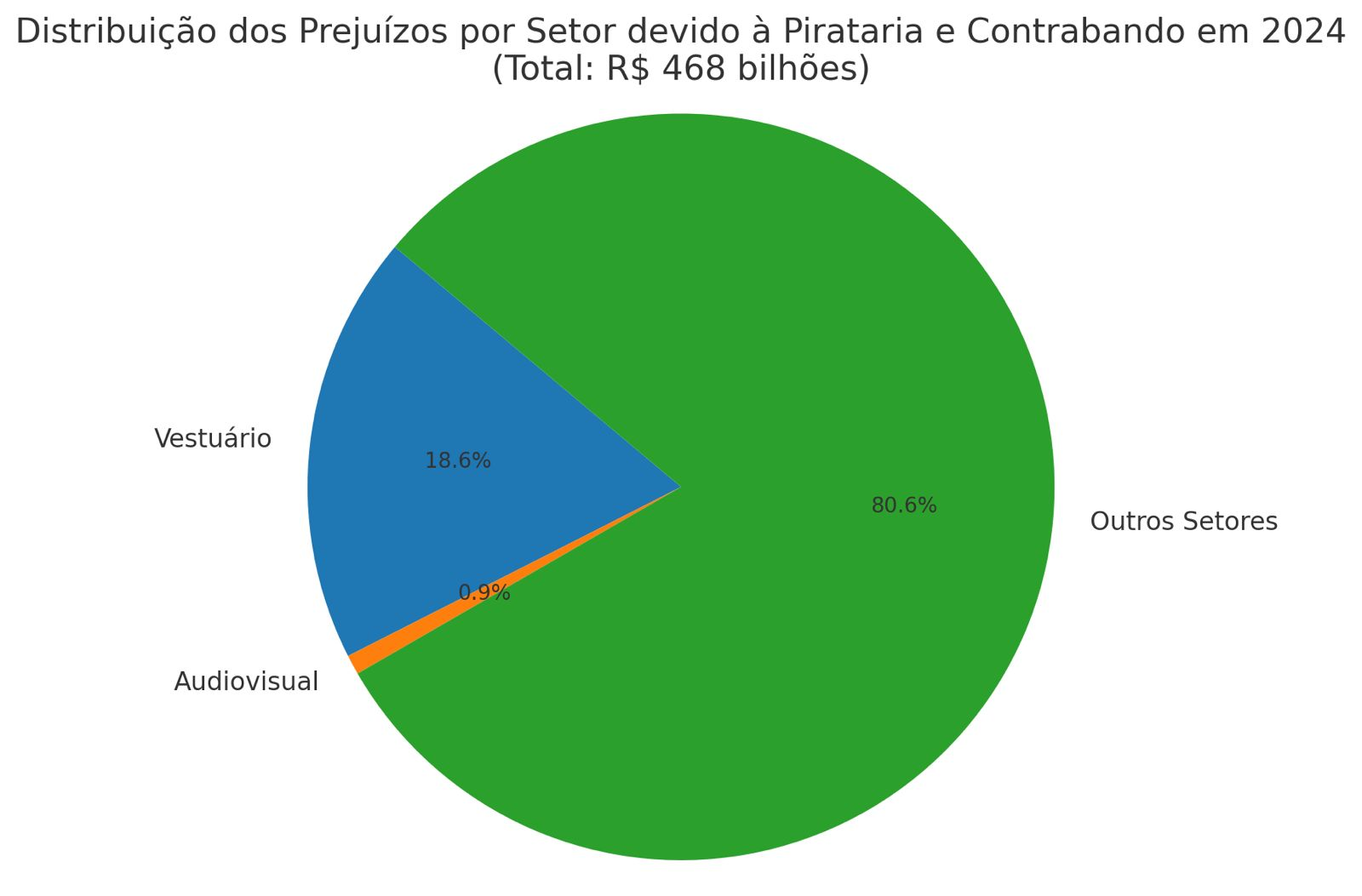
Imagine your brand as a territory that needs to be defended against invaders and the importance of this defense is overwhelming: proof of this is that according to National Journal, smuggling, counterfeiting and piracy caused a loss of half a trillion reais to the Brazilian economy in 2024 alone!
That is, 468 billion, to be exact, lost in sales and uncollected taxes, impacting everything from the clothing sector (with losses of 87 billion) to the audiovisual sector (with losses of 4 billion due to digital piracy).
To combat this reality, Brand Enforcement emerges, which involves:
- Constant monitoring: scan the internet and other channels for unauthorized uses of your brand, as Branddi does;
- Removal actions: notify and request the removal of infringing content on websites, social networks, and marketplaces;
- Legal measures: file lawsuits against violators to enforce their intellectual property rights;
- Preventive strategies: implement measures to hinder the counterfeiting and misuse of your brand.
In other words, Brand Enforcement is your weapon to ensure that your brand is used only by you and in the way you authorize!
Difference between brand enforcement and brand protection
While the terms Brand Enforcement and Brand Protection are often used interchangeably, it's important to understand that they represent different aspects of a comprehensive brand defense strategy.
Think of Brand Protection as the overall strategy, and Brand Enforcement as one of the tactics within that strategy. Understand better:
- Brand Protection: covers all proactive and preventive measures that a company takes to protect its brand, minimizing the risk of infractions and strengthening the brand in the market; the actions involved include trademark registration, monitoring, creation of internal policies, and implementation of safety measures;
- Brand Enforcement (brand defense): refers to actions taken after an infringement is detected, aimed at enforcing intellectual property rights and interrupting illegal activities; the actions involved include sending notifications, requesting the removal of content, legal actions, and combating counterfeiting.
In other words: Brand Protection is prevention, while Brand Enforcement is reaction. Still, both are essential for an effective brand strategy.
Why is brand enforcement necessary?
If, as we have seen, the losses from trademark infringement are in the billions, the question is not whether you need Brand Enforcement, but how to implement it effectively. After all, protecting your brand isn't a cost, but a strategic investment to ensure the financial health and reputation of your business.
Thus, without a Brand Enforcement strategy, you open the door for unfair competitors, counterfeiters, and scammers to take advantage of your work, diluting the value of your brand and hurting your results.
In the next few topics, we'll explore the different forms of threats your brand may face and how Brand Enforcement may be the key to countering them. Check it out:
Improves control of the brand's digital presence
Imagine your brand as a storefront open 24 hours a day, 7 days a week. In the digital world, this showcase is exposed to all kinds of threats.
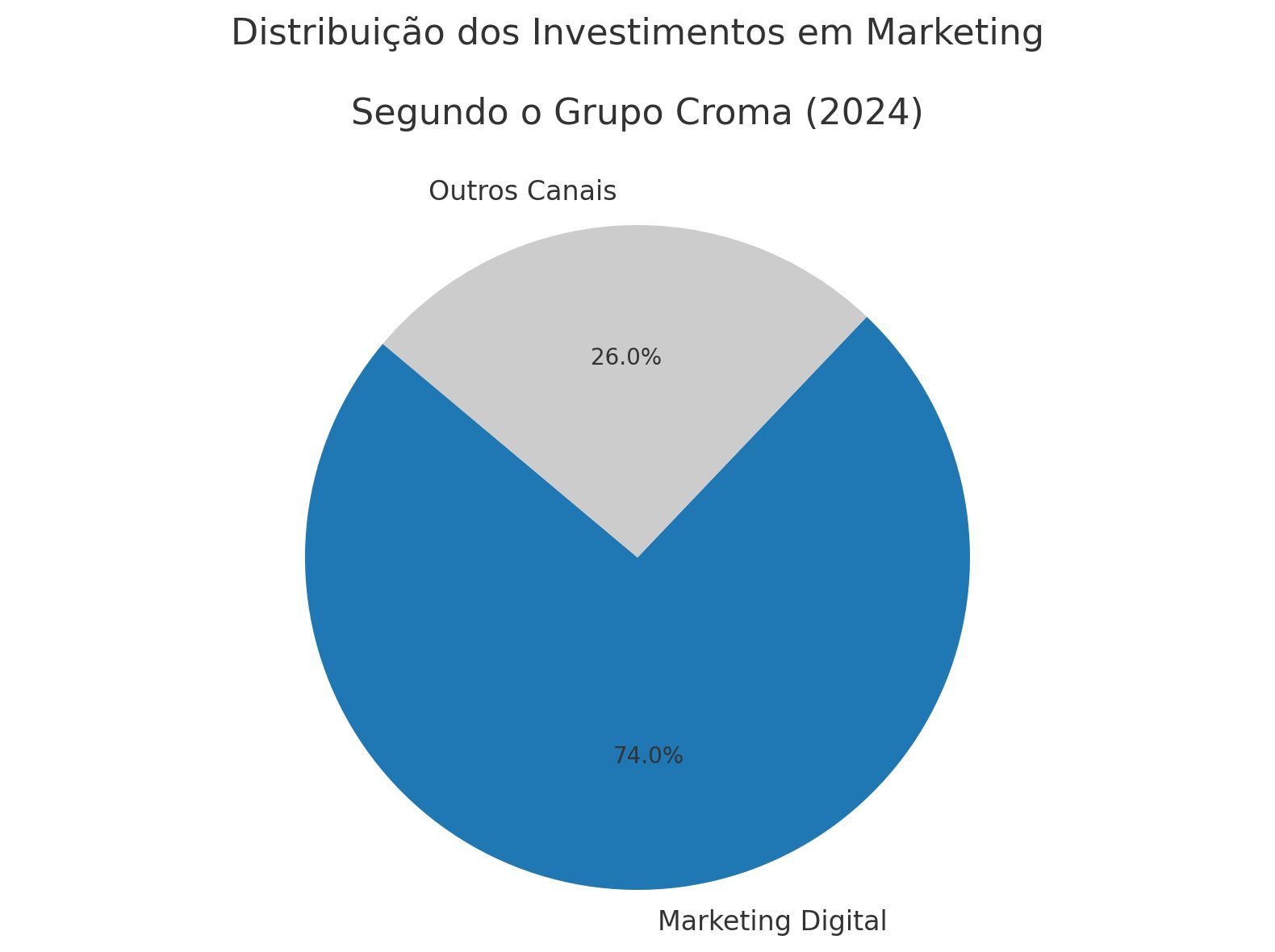
With 74% of marketing investments directed to the digital environment (according to Grupo Croma, cited by RMC Magazine), Brand Enforcement comes on the scene as a security system, constantly monitoring your online presence.
Thus, by identifying and combating imitations, unauthorized use of your brand, and counterfeits, you ensure that your storefront remains impeccable, transmitting the correct message to your customers!
Protects intangible assets with real value (brand equity)
Your brand is more than a name or a logo: it's a valuable asset that represents the reputation, trust, and quality that your customers associate with your products or services. Therefore, think of Brand Equity as a safe that holds that treasure.
Brand Enforcement, on the other hand, acts as a protection system, preventing unfair competitors, counterfeiters, and scammers steal your brand value, diluting your image and hurting your results.
Strengthens market positioning
In a competitive market, standing out from the crowd is essential. And Brand Enforcement plays a fundamental role in this process, ensuring that your brand is unique, recognized, and valued by your customers.
In this way, by protecting your brand against misuse, you strengthen your position in the market, transmit trust and credibility to consumers, and attract new customers in search of authentic and quality products or services.
Helps prevent crises and reputational damage
A reputational crisis can spread quickly, causing irreparable harm to your brand. This is because, in the so-called “Era of Trust”, stakeholders expect organizations to do the right things and do them well, and reputation is a fundamental pillar of that trust.
In this context, Brand Enforcement acts as an early warning system, identifying and combating threats in real time, protecting your brand image and preventing minor incidents from turning into major crises that undermine public trust.
Provides legal support in trademark and intellectual property disputes
In the case of trademark disputes, having specialized legal support can make all the difference. And Brand Enforcement offers that support, providing the necessary documentation and evidence to defend your intellectual property rights.
Brand enforcement as a strategic piece
Here at Branddi, we always say that the current digital landscape requires increased attention. After all, every minute, new threats emerge, driven by increasingly sophisticated technologies.
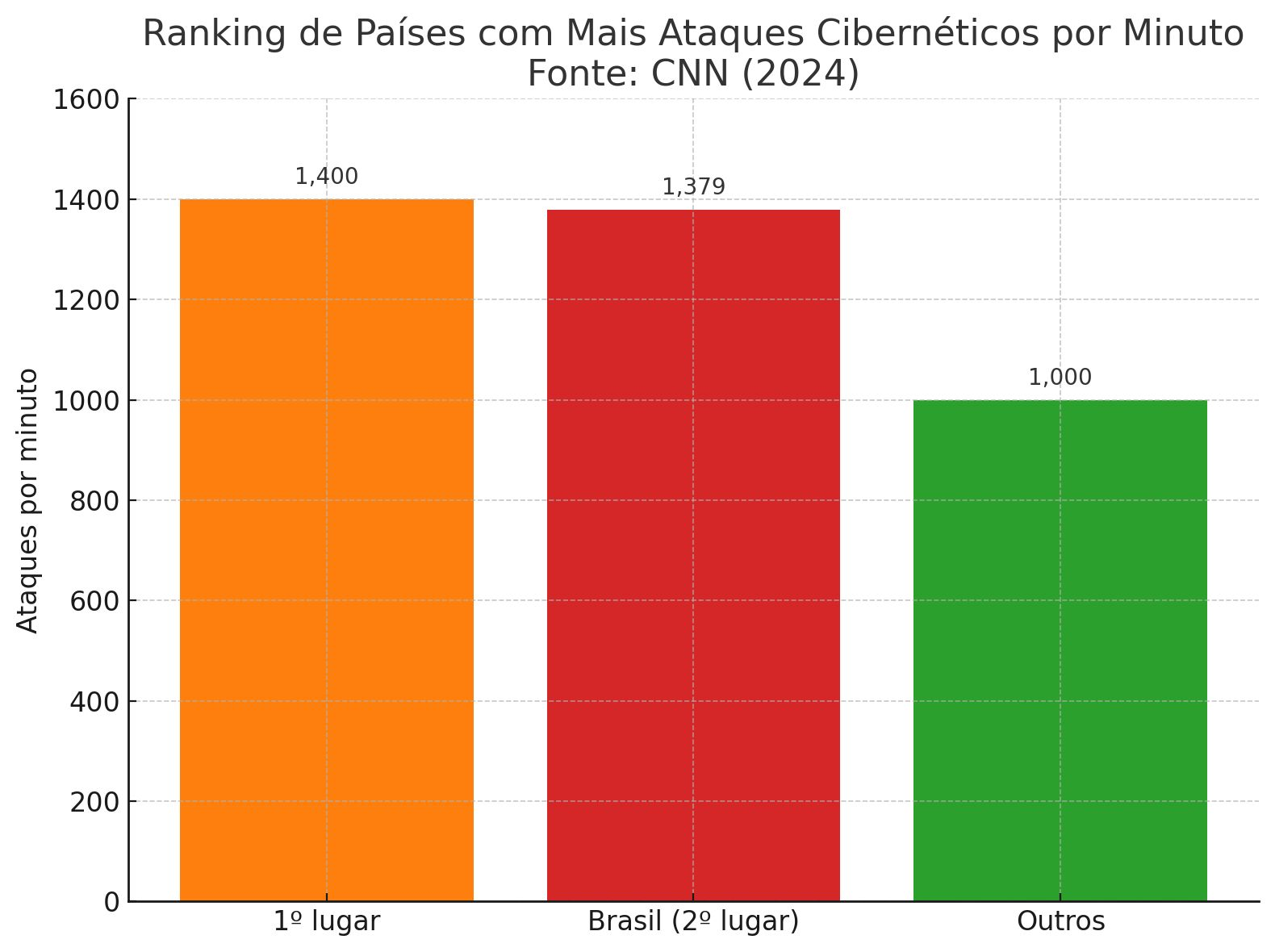
Proof of this is that, according to CNN, Brazil is the second country with the most cyberattacks in the world, with an impressive 1,379 hits per minute! This alarming data reveals the urgency to protect your brand in an online environment fraught with risks.
Imagine your brand as a constant target, exposed to scams, fakes, fake profiles, and other malicious actions aimed at damaging your reputation and misleading your customers. That's not just imagination and ignoring that reality is risking the value you built with so much effort, opening the door for unfair competitors and scammers to take advantage of your image.
Brand Enforcement emerges as an urgent need, your main line of defense against this hostile environment. Thus, by investing in brand protection, you not only protect your assets, but also demonstrate commitment to the safety and trust of your customers, strengthening your position in the market and ensuring long-term success.
Real risks for brands that don't apply brand enforcement
Ignoring your brand protection in the digital environment is like leaving the door open for intruders. That's because the risks go far beyond simply copying a logo, directly affecting your company's credibility, positioning, and revenue.
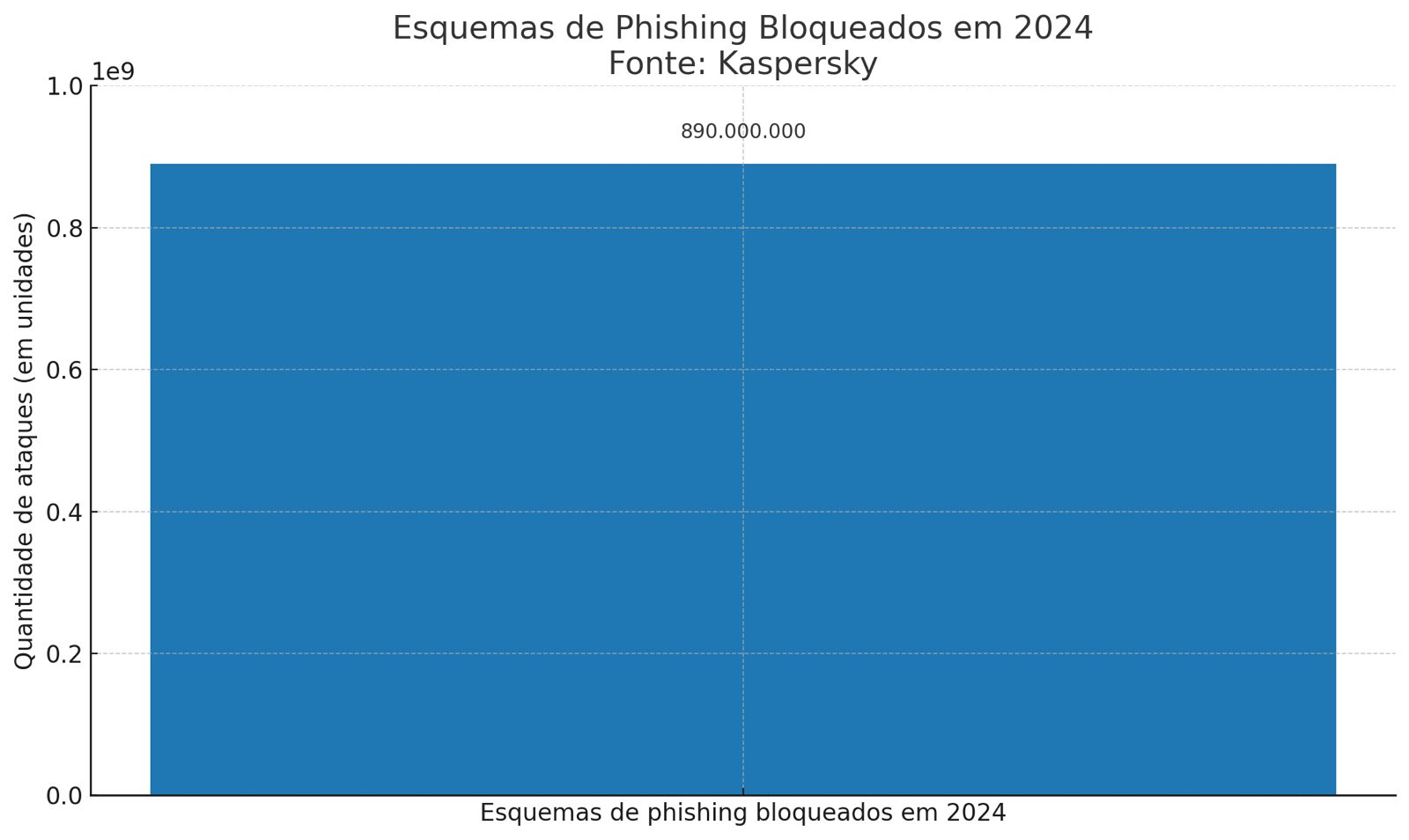
A Kaspersky revealed that in 2024, more than 890 million phishing schemes were blocked worldwide! And this alarming number demonstrates the scale of the threats that brands face on a daily basis and the importance of an effective Brand Enforcement strategy.
Below, we explore the main risks your brand faces when neglecting protection in the online environment:
Loss of public authority and trust
Every entrepreneur knows that authority and trust are precious assets that take time and effort to conquer. Thus, the lack of brand protection opens space for unfair competitors, counterfeiters, and scammers to take advantage of your reputation, confusing your customers and damaging your image.
In other words, by neglecting Brand Enforcement, you allow others to profit from your work, undermining public trust and jeopardizing your authority in the market.
Difficulty in organic ranking (SEO)
Brand Enforcement also impacts your performance on Google. That's because search engines prioritize authentic and trustworthy brands, and the presence of fake or unauthorized content associated with your brand can harm your organic ranking (SEO).
Thus, by actively combating piracy, counterfeiting, and misuse of your brand, you improve your online reputation and increase the chances of appearing at the top of the search results, attracting more qualified traffic to your site.
Impact on paid media campaigns (ads diverting traffic)
Investing in paid media campaigns and seeing your ads being overshadowed by competitors that misuse your brand is frustrating, isn't it?
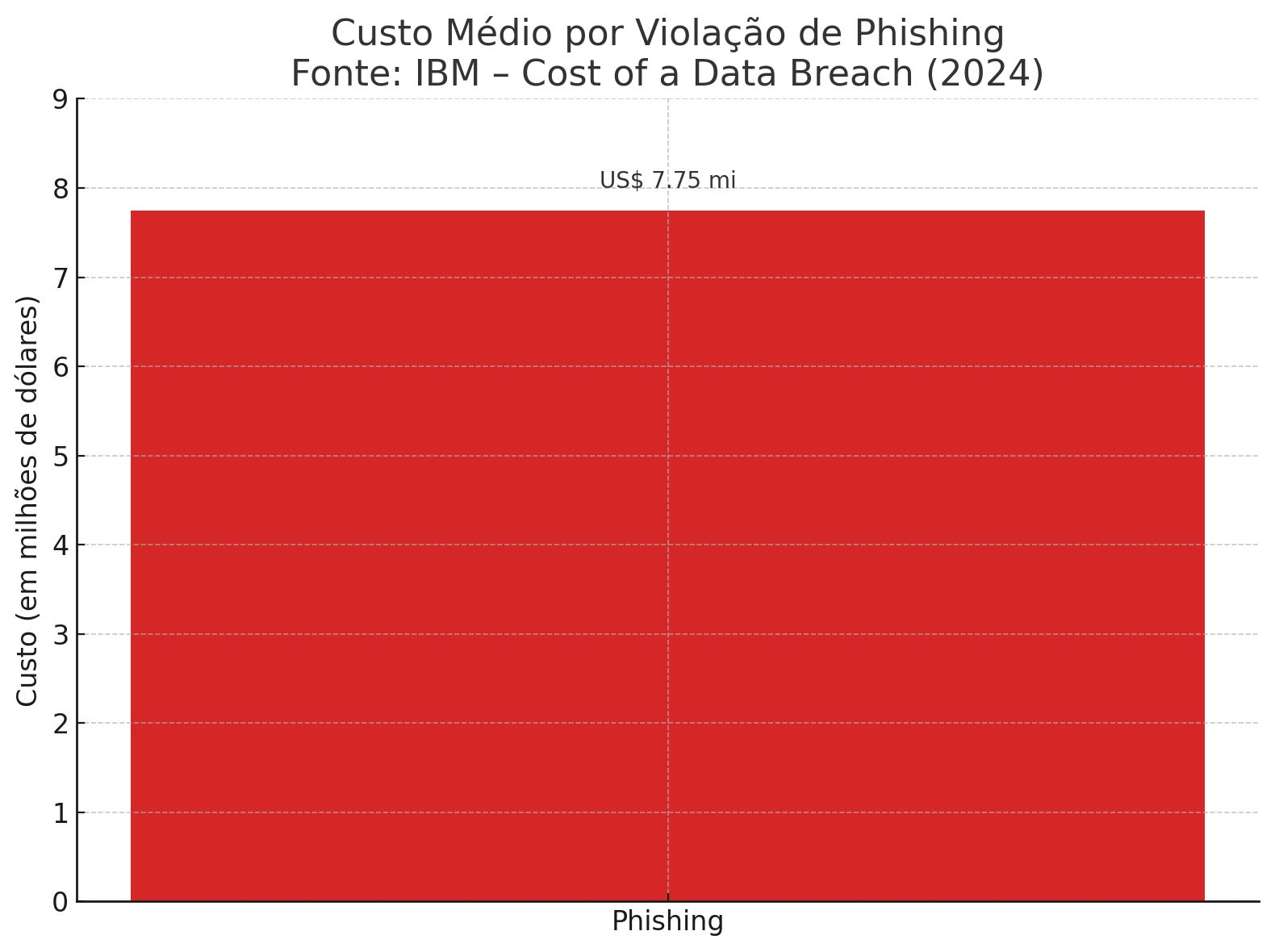
The “Cost of a Data Breach” report by IBM points out that phishing attacks were the most common, with an average cost of 7.75 million per violation, showing how diverting ad traffic can be financially damaging.
In these cases, Brand Enforcement acts as a shield, protecting your ads from traffic diversion and ensuring that your investment generates the expected return.
Loss of brand value in the market
The value of your brand is an intangible asset that represents the perception that consumers have about your products or services. And the lack of Brand Enforcement allows unfair competitors and counterfeiters to dilute your brand, associating it with low-quality products or misleading business practices.
This dilution can lead to a loss of brand value in the market, hampering its ability to attract and retain customers and negatively impacting its financial results.
Openness to phishing and brand identity scams
The lack of brand protection creates an environment conducive to the proliferation of phishing and scams that use your identity to deceive consumers.
Thus, by neglecting Brand Enforcement, you jeopardize the safety of your customers and the reputation of your company, exposing yourself to lawsuits, financial losses, and damage to the brand image.
How to implement brand enforcement in your business?
Now that you understand the risks of not protecting your brand, it's time to take action. Implementing an effective Brand Enforcement strategy may seem complex, but with the right tools and knowledge, you can protect your business and ensure long-term success.
Here are some practical tips for implementing Brand Enforcement in your business:
Continuously monitor brand usage in paid ads (Google Ads, Meta Ads)
Keep an eye out for your competitors and other advertisers who may be misusing your brand in paid ads.
To do this, use ad monitoring tools to identify and report ads that violate your intellectual property rights, ensuring that your ads are seen by the right audience and that your competitors don't take advantage of your brand to attract customers.
Automate brand misuse alerts with specialized tools
Manually monitoring your brand on the internet can be time-consuming and inefficient. Therefore, automate this process using specialized tools that scan the web for unauthorized uses of your brand, sending real-time alerts when a violation is detected.
This allows you to act quickly to remove infringing content and prevent it from causing harm to your brand.
Activate brand infringement notifications on marketplaces
Marketplaces like Mercado Livre, Amazon, and Shopee offer features that allow you to register your brand and receive notifications when someone tries to sell counterfeit or unauthorized products under your brand.
To do this, activate notifications and regularly monitor advertisements to ensure that your intellectual property rights are being respected, protecting your customers from counterfeit products and ensuring the quality of the products associated with your brand.
Count on expert support to streamline digital protection
Implementing and managing an effective Brand Enforcement strategy requires time, knowledge, and resources. For this reason, if you don't have internal expertise to handle this task, consider enlisting the support of a company that specializes in brand protection, such as Branddi.
Our experts can help you monitor your brand, identify and remove infringing content, and take the necessary legal steps to protect your intellectual property rights!
Do you want to know how we can help protect your brand? Keep following the Branddi's content marketing!




Pronto para blindar sua marca?
Não deixe seus clientes caírem nas garras de concorrentes, golpistas e aproveitadores.