Protecting your brand in the digital environment - what we call brand safety - has become a fundamental pillar for the success of any business.
But with so many threats and challenges, how do you ensure that your brand remains safe and relevant online? And why is that concern so vital to your company's growth and reputation?
At Branddi, we understand the complexity and importance of this issue. That's because, with years of experience in brand protection and a deep understanding of the digital landscape, we've gathered valuable insights to help you navigate this topic.
In this article, we will demystify the concept, present practical examples, and show how Branddi can be your ally to build an impenetrable shield for your brand.
Read on and discover how to transform challenges into opportunities, ensuring that your brand shines safely in the online universe.
What is brand safety?
In simple terms, brand safety refers to the measures and practices that a company adopts to ensure that its brand is not associated with inappropriate, offensive, illegal, or harmful content online.
After all, imagine the following situation: your ads appearing alongside fake news, hate speech, or videos with explicit content. The negative impact on your brand image would be undeniable, right?
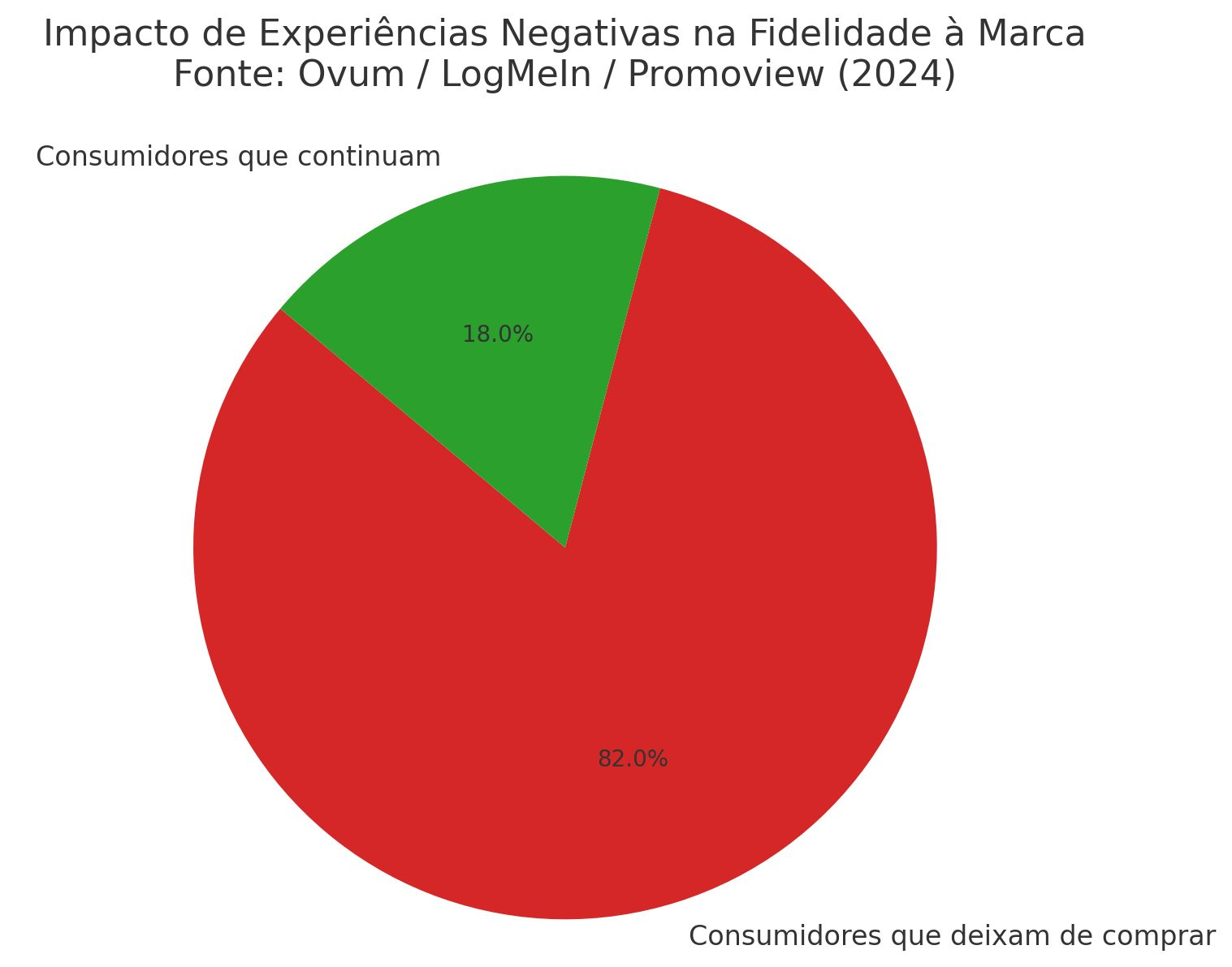
Proof of this is that, according to a study by the Ovum Institute in partnership with the company LogMeIn, published in Promoview, about 82% of consumers stop buying with a particular brand because of a single negative experience.
This data reinforces that protecting reputation is not just a matter of image, but a necessity to guarantee customer loyalty and business continuity.
In addition, the concept goes beyond simply avoiding bad associations: it involves creating a safe and positive online environment for your brand, where it can thrive and connect with the right audience.
Difference between Brand Safety and Brand Suitability
Understanding that brand safety involves creating a safe online environment for your brand to connect with the right audience is just the first step. After all, the term is often confused with another important concept: brand suitability. But what's the difference between them?
While the former focuses on avoiding associations with clearly inappropriate content (such as hate speech, fake or illegal news), the second goes further, seeking to align the brand with content that is relevant and appropriate for its target audience, even if it is not inherently negative.
Consider an example: an advertisement for a children's product brand may be brand safe if it doesn't appear alongside violent content. However, it may not be a suitable brand if it is displayed on a site aimed at an adult audience that does not have children.
In short, the former ensures that your brand is not harmed by bad associations, while the latter maximizes the relevance and impact of your campaigns.
What are the benefits of brand safety?
First of all, we need to say that investing in brand safety is much more than simply avoiding problems. It's a smart strategy that can boost your brand's growth, strengthen customer trust, and increase return on marketing investment.
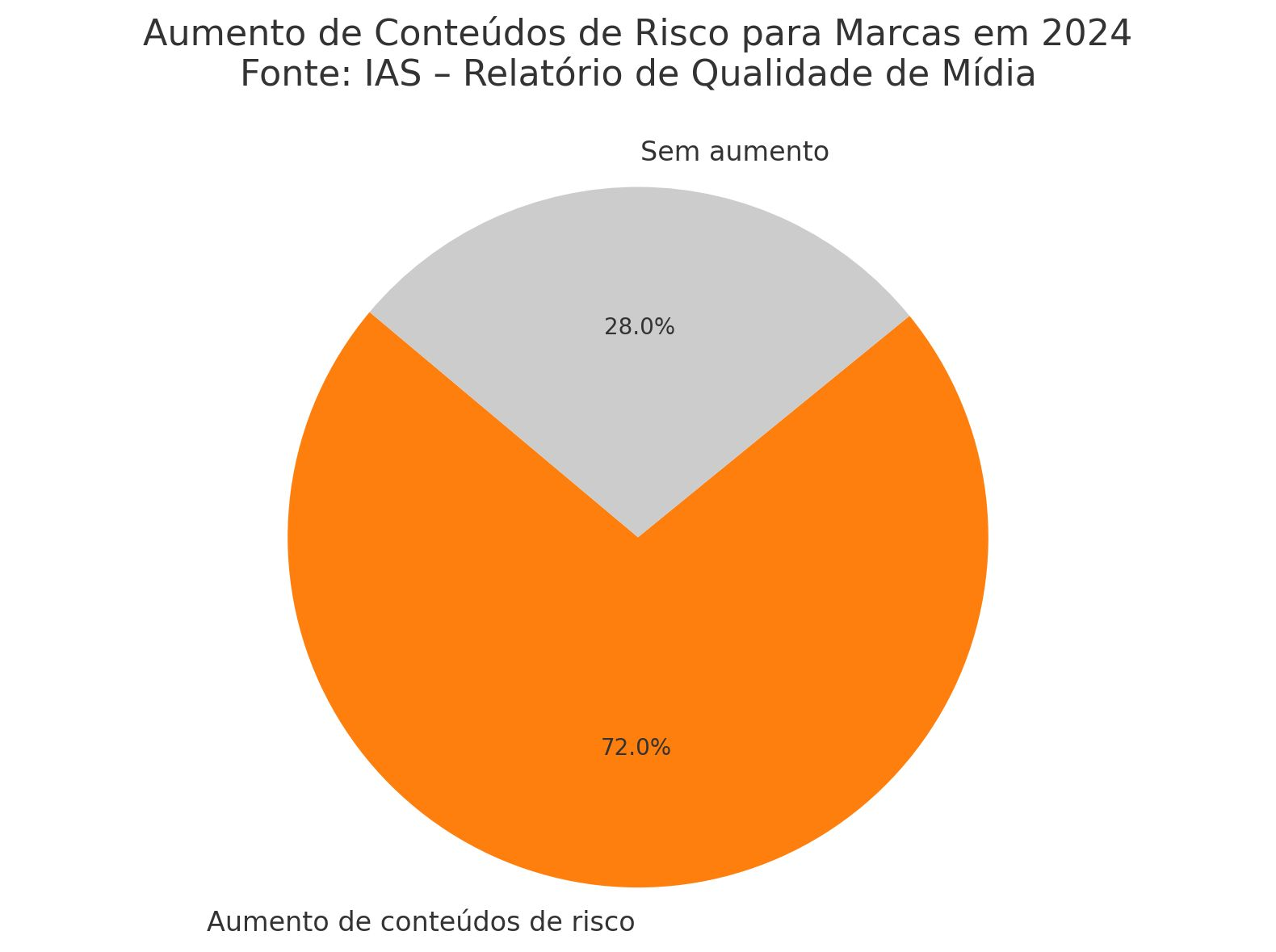
The most recent Integral Ad Science (IAS) Media Quality Report revealed an increase of 72% in the proportion of content considered risky for brands. This alarming fact demonstrates the growing importance of monitoring and protecting your brand against negative associations.
Next, we will explore in detail the main gains you can achieve by prioritizing the protection of your brand in the digital environment. Read on to discover how to transform safety into a competitive advantage!
Increased consumer confidence
Consumer trust is one of the pillars of any successful brand. And, in a digital environment full of risks and uncertainties, brand safety plays a fundamental role in building that trust.
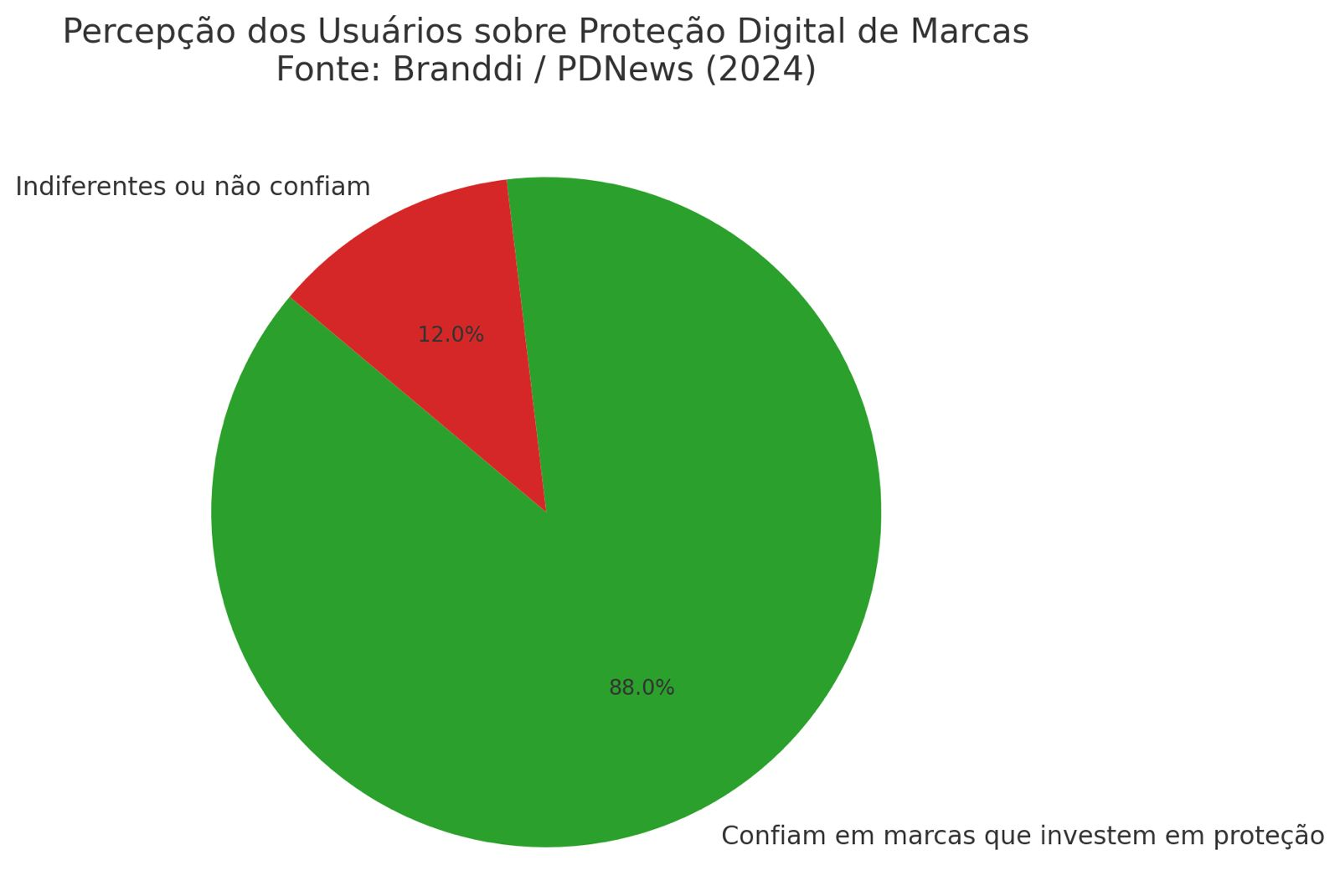
One of the last researches we did here at Branddi, which was news in PDNews, revealed that 88% of users feel more confident in brands that invest in protection against fake sites and digital scams.
In other words, by showing concern for the safety of your customers, you not only protect their data and information, but also strengthen relationships and loyalty to your brand.
Improving campaign performance (ROI)
By ensuring that your ads appear in safe and relevant environments, you increase the likelihood of impacting the right audience and generating positive results.
In addition, avoiding negative associations and ensuring brand suitability contribute to a better performance of your campaigns, optimizing the use of your marketing budget and boosting return on investment.
Crisis reduction and rework
An image crisis can have a devastating impact on a company's bottom line, causing financial losses, loss of customers, and damage to reputation.
Thus, by investing in brand safety, you significantly reduce the risk of facing negative situations, such as the placement of advertisements alongside inappropriate content or the dissemination of false news about your brand.
This allows you to focus your efforts on building and strengthening your image, instead of putting out fires and dealing with rework.
Strengthening brand image and reputation
The way your brand is perceived by the public is one of your most valuable assets. This is because, by ensuring that your brand is associated with positive values, such as safety, ethics, and responsibility, you strengthen your image and build a solid and lasting reputation.
Brand safety is an essential tool to protect your reputation and ensure that your brand is seen as a reference in your market.
Protection against fraud and counterfeiting scams
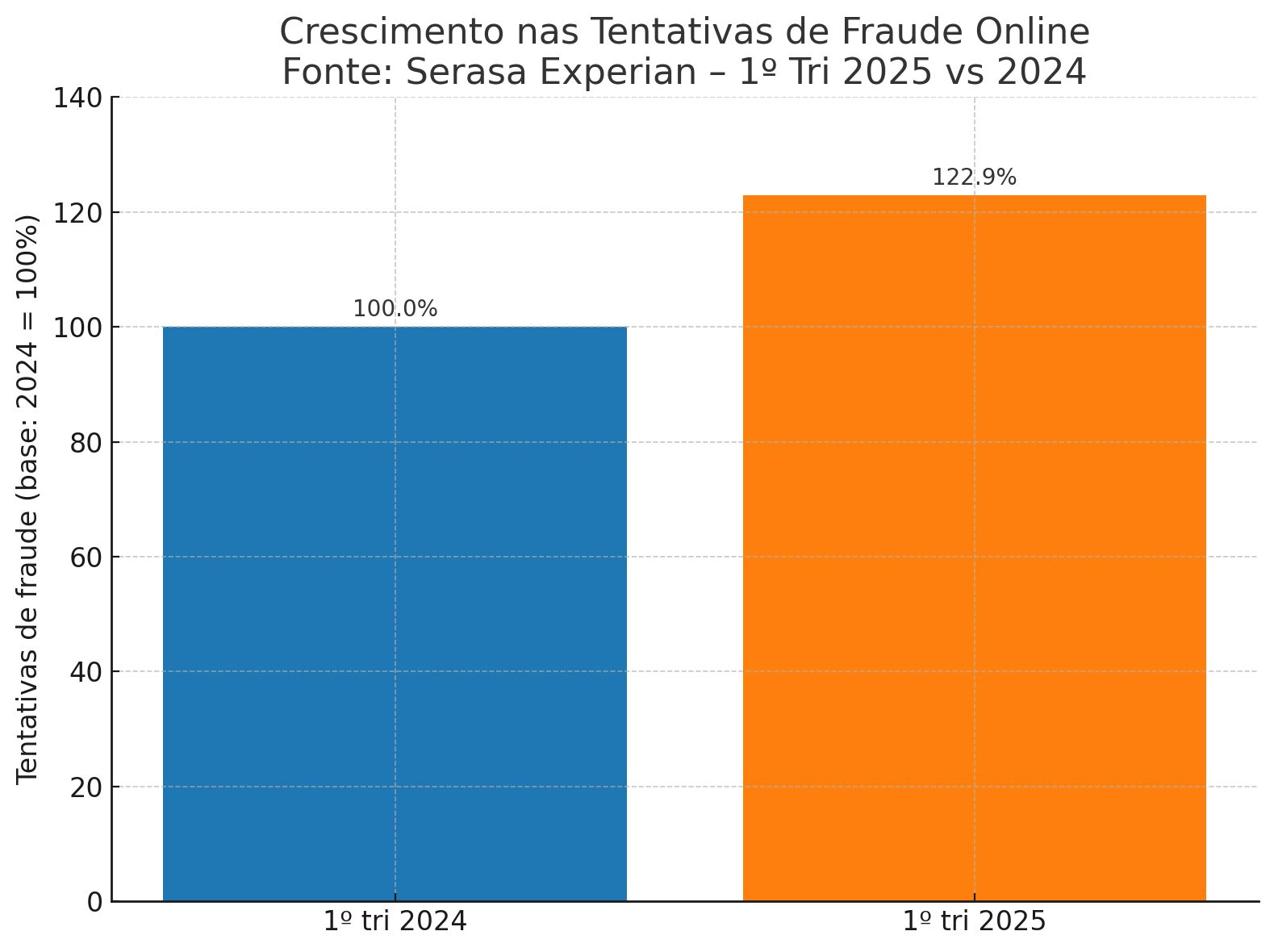
Online scams are a constant threat to brands and consumers. Proof of this is that the Serasa Experian revealed that fraud attempts grew 22.9% in the first quarter of 2025 compared to the same period in 2024.
By investing in brand safety, you protect your brand against the misuse of your image, the falsification of products and other types of scams that can harm your reputation and generate financial losses.
Greater predictability and control over advertising investment
With brand safety, you define clear and objective criteria for the placement of your advertisements, ensuring that they are displayed in environments aligned with your brand values and objectives.
This allows you to have greater predictability and control over your advertising investment, avoiding waste and maximizing the impact of your campaigns.
What are the main digital risks for brands today?
In today's digital landscape, brands face a series of challenges that can compromise their image, reputation, and financial results.
Among the main risks, the following stand out:
- Loss of credibility: negative associations with inappropriate or illegal content can undermine consumers' trust in your brand;
- Image crisis: the spread of false news, rumors or negative comments on social networks can generate a major image crisis;
- Waste of advertising money: the placement of advertisements on low-quality sites or with irrelevant content can generate waste of resources and low return on investment;
- Unfair competition attacks: practices such as “brand bidding” and the misuse of your brand by competitors can divert traffic and customers to other companies;
- Product counterfeiting and online scams: the sale of counterfeit products and the application of online scams using your brand can cause financial losses and reputational damage;
- Data leak and security breaches: the exposure of customer data and security flaws in their systems can compromise consumer trust and generate legal problems;
- Negative reviews and bad reviews: the lack of monitoring and responding to negative comments and bad reviews can damage your brand image and drive away potential customers;
- Hacker and phishing attacks: the invasion of your systems by hackers and the application of Phishing scams may compromise the security of your data and that of your customers;
- Hate speech and extremist content: the association of your brand with hate speech and extremist content can generate boycotts and negative reactions from the public;
- Fake news and disinformation: the spread of false news and distorted information about your brand can damage your reputation and generate distrust on the part of consumers.
Where can brand safety be applied?
Faced with so many risks that brands face in the digital environment, the question arises: where can brand safety be applied to guarantee effective protection?
The answer is: on practically every platform and online channel where your brand is present.
Among the main ones, the following stand out:
- Paid media: ensuring that your ads appear on safe and relevant sites and apps, avoiding negative associations with inappropriate or illegal content;
- Programmatic announcements: using brand safety tools to filter low-quality inventories and ensure that your ads appear in environments aligned with your brand values;
- Social networks: Monitoring mentions of your brand and responding to negative comments, rumors, and false news, protecting your image and reputation;
- Content marketing: creating relevant, high-quality content that conveys your brand values and attracts the right audience, avoiding negative associations with low-quality or misleading content;
- Email marketing: segmenting your email list and customizing your messages to ensure that your content is relevant to each recipient, avoiding the sending of spam and the association with invasive marketing practices;
- Digital influencers: choose influencers who share your brand values and who have a positive reputation, avoiding associations with controversial personalities or who promote inappropriate content;
- Search Engine Optimization (SEO): monitoring the keywords associated with your brand and optimizing your site to ensure that it appears in the first search results, preventing negative or misleading content from damaging your image;
- Affiliate marketing: establishing clear criteria for choosing affiliates and monitoring their actions to ensure that they do not use misleading marketing practices or that harm your brand;
- Mobile marketing: ensuring that your mobile apps and ads are safe and relevant to users, avoiding association with inappropriate or invasive content;
- Video marketing: production of high-quality videos that convey your brand values and attract the right audience, avoiding association with violent, pornographic or hate speech content.
How to implement Brand Safety in practice?
Theory is important, but practice is fundamental. That's why, at Branddi, we know that implementing an effective brand safety strategy requires knowledge, appropriate tools, and constant monitoring.
For this reason, we have put together some essential tips for you to put into practice the protection of your brand in the digital environment.
Next, we will explore the main steps to implement brand safety in your company and ensure that your brand is protected against digital risks.
Configure filters and security parameters in media campaigns
Setting up filters and security parameters is the first step in ensuring that your ads appear in safe and relevant environments.
To do this, use the tools offered by media platforms to segment your audience, define content exclusion criteria, and monitor the performance of your campaigns.
Thus, by configuring appropriate filters and security parameters, you avoid associating your brand with inappropriate content and optimizing the use of your marketing budget.
Activate alerts for misuse of name, logo, and keywords
Constant monitoring of the use of your name, logo, and keywords is essential to identify and combat unfair competition practices, product counterfeiting, and other types of online scams.
For this reason, activate alerts in social media monitoring and search tools to be notified whenever your brand is mentioned in negative or suspicious contexts.
Thus, by acting quickly to remove false content and report illegal practices, you protect your reputation and avoid financial losses.
Monitor fake ads and profiles on platforms
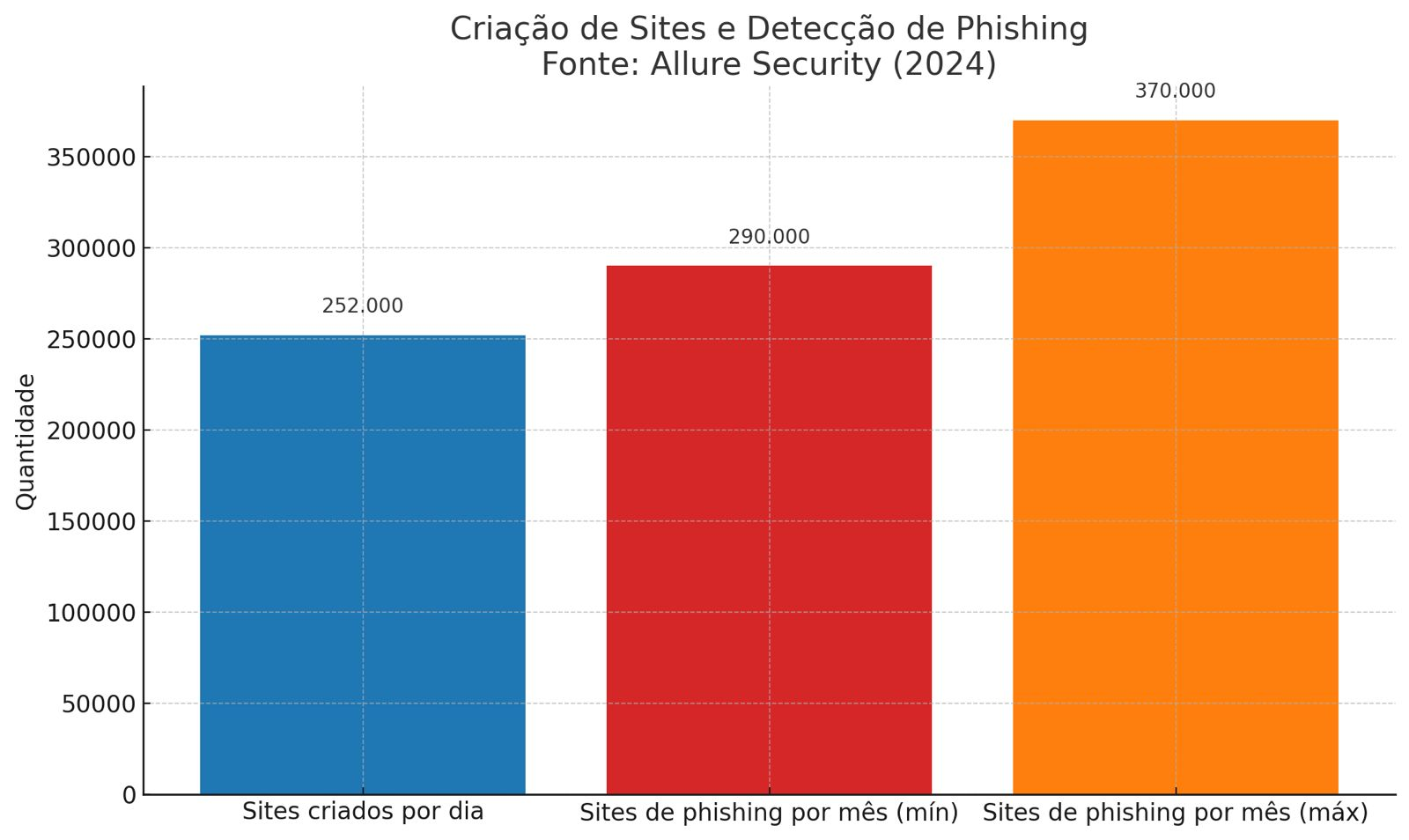
The proliferation of fake ads and profiles on social media and other online platforms is a growing threat to brands. According to data from Allure Security, there are more than 252,000 new sites created each day, and between 290,000 and 370,000 phishing sites are detected monthly.
Perform constant monitoring of online platforms to identify and remove announcements and fake profiles that misuse your brand. That way, by protecting your brand against counterfeiting and misuse of your image, you avoid financial losses and strengthen the trust of your customers.
Monitor brand mentions on social networks and news portals
Constant monitoring of social networks and news portals is essential to identify and respond to negative comments, rumors, and false news that may harm your image and reputation.
To do this, use social media monitoring tools to track mentions of your brand and respond to negative comments quickly and efficiently, showing concern for the satisfaction of your customers and the quality of your products and services.
Create a reporting center for employees, partners, and consumers
Creating a reporting center is an effective way to involve your employees, partners, and consumers in protecting your brand.
Therefore, encourage your employees, partners, and consumers to report unfair competition practices, product counterfeiting, and other types of online scams that misuse your brand.
Thus, by creating a complaint center, you demonstrate concern for the safety of your customers and for the protection of your brand, strengthening your image and reputation.
Implement Brand Safety KPIs in your campaign analyses
The implementation of brand safety KPIs in your campaign analyses is essential to measure the effectiveness of your brand protection actions and identify opportunities for improvement.
Define clear and objective metrics to assess the security of your campaigns, such as the number of advertisements placed on secure sites, the number of positive mentions of your brand on social networks, and the number of reports of product counterfeiting.
Remember: by constantly monitoring your brand safety KPIs, you ensure that your brand protection actions are effective and that your brand is protected against digital risks.
Count on specialized monitoring support
Although it is possible to implement some brand safety actions on your own, having specialized support is essential to ensure complete and effective protection of your brand.
Companies specializing in brand safety, such as Branddi, offer constant monitoring, data analysis and removal of false content, allowing you to focus your efforts on other areas of your business.
But what are the benefits of having a complete brand safety solution? That's what we'll see next!
Elevate your brand safety with the support of Branddi!
As we have seen, implementing an effective brand safety strategy requires knowledge, appropriate tools, and constant monitoring. And that's why if you are looking for complete and effective protection for your brand, having specialized support is essential.
Here at Branddi, we offer a complete brand safety solution, which includes constant monitoring, data analysis, and removal of false content.
Our team of experts is prepared to help you protect your brand against digital risks and build a solid and lasting reputation in the online environment.
Don't let digital risks compromise your image and your results: count on Branddi's armor marketing and take your brand safety to a new level!




Pronto para blindar sua marca?
Não deixe seus clientes caírem nas garras de concorrentes, golpistas e aproveitadores.