.jpg)
Conversion theft has become a silent yet devastating threat to digital businesses of all sizes.
After all, imagine investing valuable time and resources in creating a flawless buying journey, only to see your potential customers get sidetracked at the last moment, boosting competitors' sales or fueling scams? This reality, unfortunately, is more common than one might think.
In other words, protecting the conversion funnel has become essential to guarantee the ROI and sustainability of your business in a competitive online market. Read on to find out how to shield your brand from conversion theft!
What can we understand as conversion theft?

In a scenario where 56% of companies invest up to 5% of their revenue in digital marketing, the effectiveness of each online action becomes vital. And conversion theft, in this context, represents a direct attack on your strategy, undermining the return on each real invested.
In a simplified way, conversion theft encompasses a set of techniques and strategies that aim to divert qualified traffic from your site, app, or landing page, directing it to pages controlled by competitors and dishonest affiliates, for example.
This “appropriation” of traffic can occur in a variety of ways, from the misuse of your brand's keywords in paid ads to the creation of fake sites that imitate your visual identity, with the purpose of deceiving the user and capturing your data or sales.
Regardless of the chosen form, the end result is always the same: loss of revenue, increased customer acquisition costs, and damage to your brand image.
It's also important to note that conversion theft isn't limited to large companies. After all, businesses of all sizes are vulnerable to these practices, and the financial impact can be significant, especially for those that rely on organic or paid traffic to generate sales.
What are the consequences of digital conversion theft?
As we saw above, digital conversion theft isn't just a simple loss of clicks or visitors. That's because it triggers a series of consequences that directly affect your brand's financial health and reputation.
In other words, the losses can be numerous and impact various areas of your business, from the performance of your marketing campaigns to the trust of your customers.
Thus, by allowing unfair competitors or fraudsters to divert the traffic you have hard-won, you are giving up sales opportunities, increasing your customer acquisition costs and, in some cases, even jeopardizing the security of your user's data.
This brief introduction is just the tip of the iceberg. In the following sections, we will explore in detail each of the consequences of digital conversion theft, revealing how these practices can undermine your results and what you can do to protect yourself.
Direct financial loss

The most immediate impact of conversion theft is direct financial loss. That's because when your potential customers are diverted to competing sites or fake pages, you lose the opportunity to make sales, reducing your revenue and your profitability.
This loss can be especially significant for businesses that rely heavily on online sales or that have tight profit margins.
To give you an idea, a Juniper Research study estimates that global losses due to digital advertising fraud, including conversion theft, will reach $400 billion in 2025.
Additionally, conversion theft can lead to increased customer acquisition (CAC) costs, as you need to invest more in marketing to compensate for lost traffic.
Damage to reputation and loss of trust
Consumer trust is one of the pillars of success in e-commerce. As pointed out by Ricardo Aranha, business coordinator of Brazilian Automation Association-GS1 Brazil, “Without the credibility placed by consumers on digital platforms, the success of e-commerce would be very difficult to reach today's levels”.
That is, conversion theft can damage your brand's reputation and undermine the trust of your customers. So, when users are deceived and directed to Fake sites who impersonate your company, they may have a negative experience, which leads to complaints, negative reviews, and loss of loyalty.
Always remember that regaining customer trust after such an incident can be a lengthy and costly process.
Legal and legal impacts
Conversion theft can have legal and legal impacts on your company. This is because, in some cases, the practices used to divert traffic may constitute cases such as unfair competition and copyright infringement. That is, if your company is associated with these practices, even if indirectly, you may face lawsuits, fines, and other legal sanctions.
In addition, your company may be held responsible for damages caused to customers who were victims of online scams.
Increased vulnerability to new attacks

Conversion theft isn't an isolated problem: it can increase your company's vulnerability to new attacks, making the brand a more visible target for scammers. After all, when those users realize that the company lacks robust defenses against traffic diversion and manipulation of the conversion funnel, they may feel encouraged to explore other security breaches.
Additionally, this extended vulnerability may result in more sophisticated attacks, compromising brand integrity and its ability to operate normally.
In other words, the brand's reputation, already shaken by conversion theft, could suffer an even greater blow if the company becomes known for being an easy target for digital attacks.
According to the report “Cost of a Data Breach 2023" from IBM, companies with low security maturity (which includes a lack of protection against conversion theft) tend to have 1.8 times higher data breach costs than companies with high security maturity.
Impact on business partnerships
Conversion theft can negatively impact your business partnerships. That's because, if your partners notice that your company is being the victim of conversion theft, they may lose trust in you and decide to end the partnership.
In addition, conversion theft can hinder your ability to attract new partners, as companies may hesitate to associate with a brand that is seen as vulnerable to online attacks.
Main forms of conversion theft
The actions of unfair competitors and scammers in the digital environment are manifested in various ways, exploiting loopholes and vulnerabilities in your marketing strategy to divert traffic and conversions that should be from your brand.
That's why recognizing these tactics is the first step in protecting yourself and ensuring the integrity of your sales funnel.
From misusing your brand in paid ads to creating fake offers and manipulating search results, conversion theft techniques are varied and constantly evolving.
Therefore, to identify them, it is necessary to have constant monitoring and an in-depth analysis of the behavior of your competitors and the traffic that reaches your site.
In the next sections, we'll explore some of the main forms of conversion theft, revealing how these attacks work and what you can do to defend yourself. Shall we go?
Phishing
Phishing is one of the most common and dangerous forms of conversion theft. Proof of this is that, according to Check Point Software, 90% of attacks on companies start with a phishing email.

In these attacks, scammers disguise themselves as legitimate companies, sending emails or messages that trick users into clicking on malicious links or providing sensitive information.
A common example is the sending of fake emails from banks or credit card companies, requesting the updating of registration details or the confirmation of a suspicious purchase.
Use of false identity (Impersonation)
The use of Fake ID (impersonation) is another tactic used to steal conversions. In these cases, scammers create fake profiles on social networks or e-commerce sites, posing as representatives of your brand or as satisfied customers.
They can use these profiles to disclose false offers, defame your company, or gather information about your customers.
A common example is the creation of fake profiles on Instagram or Facebook, using your company name and logo, to promote counterfeit products or offer non-existent discounts.
“Clickjacking” attacks
Clickjacking attacks, on the other hand, exploit vulnerabilities in websites and applications to trick users into taking actions without their knowledge.
In these attacks, the scammers superimpose an invisible layer on a legitimate button or link, redirecting the user's click to a malicious page.
A common example is the creation of a fake “like” or “share” button on a social network, which actually leads the user to download malware or disclose personal information.
“Session hijacking” attacks
“Session hijacking” attacks aim to steal an authenticated user's session on a site or app, allowing the scammer to impersonate them and perform actions on their behalf.
This tactic generally involves the interception of session cookies or the use of “man-in-the-middle” techniques to capture the user's login information.
How to protect your brand against conversion theft?
Although conversion theft represents a constant and multifaceted threat, it is important to emphasize that it is possible to combat these practices and protect your brand against the damages they may cause.
And the key to success lies in implementing a comprehensive protection strategy that combines preventive measures, monitoring tools, and corrective actions. That is, protecting your brand against conversion theft isn't just about defending your traffic and sales: it's about preserving your reputation, the trust of your customers, and the long-term value of your business.
Thus, by investing in safety, you are investing in the sustainability and growth of your company.
Now, let's present some of the key steps you can take to shield your brand against conversion theft.
Discover how Branddi can help you implement an effective protection strategy and protect your digital results!
Actively monitor your campaigns
Actively monitoring your campaigns is the first step in identifying and combating conversion theft.
That's because, by closely monitoring the performance of your ads, keywords, and landing pages, you can identify suspicious patterns and quickly detect any suspicious activity.
Therefore, pay attention to metrics such as click through rate (CTR), conversion rate, cost per click (CPC), and traffic quality.
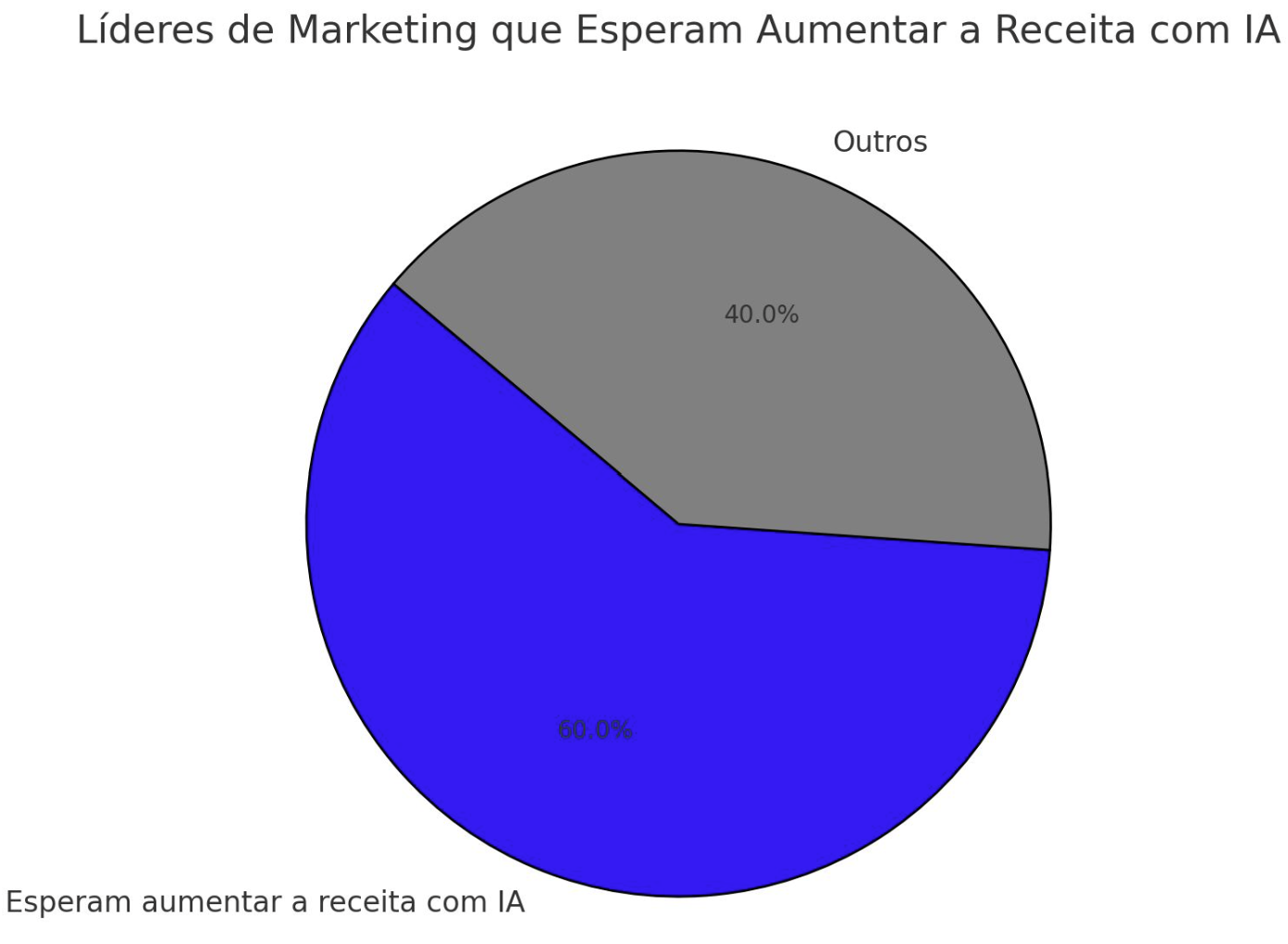
A study conducted by a Forrester Opportunity Snapshot study identified that 60% of marketing leaders expect to increase revenue with their campaigns through the use of AI, which means that monitoring and analysis tools based on artificial intelligence can be valuable for identifying anomalies and optimizing their campaigns to prevent conversion theft.
Use SSL/TLS security certificates
SSL/TLS security certificates are essential to protect your customers' sensitive information, such as passwords and bank details.
These certificates encrypt communication between the user's browser and its server, preventing data from being intercepted by malicious third parties.
In addition, the use of SSL/TLS certificates transmits trust to your customers, indicating that your site is secure and trustworthy.
Reduce exposure to anonymous transactions
Reducing exposure to anonymous transactions is an important measure to protect your brand against conversion theft and other types of digital threats.
Thus, by requesting detailed contact information from your customers and using identity verification tools, you hinder the actions of those scammers who try to impersonate your brand to make false purchases or illegally collect data.
This measure helps to preserve the integrity of your brand and to avoid financial losses resulting from non-existent transactions.
Provide a direct communication channel with customers

Providing a direct communication channel with your customers is critical to protecting your brand against conversion theft.
This is because, by encouraging your customers to contact you if they suspect any activity or find false offers that use your brand, you strengthen your relationship with them and demonstrate your commitment to their safety.
This direct communication allows you to quickly identify threats and take steps to protect your brand and customers.
According to a Study by Hibou, for 53% of consumers, service is largely responsible for loyalty, demonstrating that an efficient communication channel not only protects the brand against digital scams, but also contributes to customer loyalty and overall business success.
Use real-time detection systems
Real-time threat detection systems are a powerful tool for protecting your brand against conversion theft.
Thus, by analyzing user behavior and identifying suspicious activity, these systems can alert you to phishing attempts, attribution deviations and other practices that can harm your brand and reputation.
Remember: when you decide to invest in detection systems, you demonstrate your commitment to the safety of your customers and strengthen your brand image as a trustworthy and protected company.
Protect your brand against conversion theft with Branddi!
Conversion theft is a complex threat that requires a strategic and specialized approach to be effectively combated.
And at Branddi, we offer complete and customized solutions to protect your brand against all forms of conversion theft, from monitoring and detecting threats to removing suspicious content and recovering lost revenues.
To this end, our team of specialists uses advanced technologies and proven methodologies to identify and neutralize the tactics used by unfair competitors and scammers, ensuring the integrity of your brand and the safety of your customers.
With Branddi, you'll have the peace of mind of knowing that your brand is protected against conversion theft, allowing you to focus on what really matters: the growth of your business.
Visit the Branddi website and learn more about how Shielding marketing can help you protect your brand!




Pronto para blindar sua marca?
Não deixe seus clientes caírem nas garras de concorrentes, golpistas e aproveitadores.